Small Pet Boarding: How To Prepare Rabbits & Birds For Temporary Care
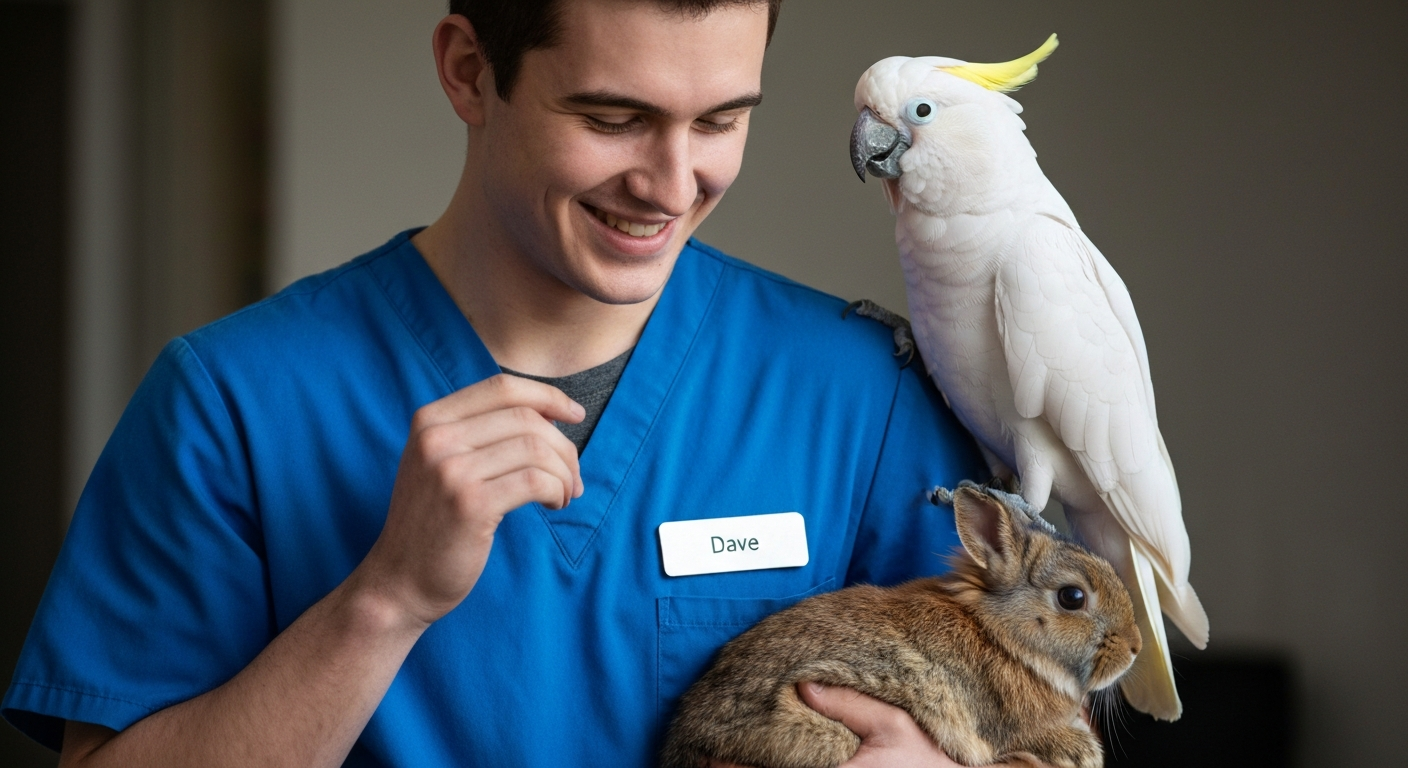
Why Preparation Matters for Small Pet Boarding
Travel plans often require pet owners to arrange temporary care for animals. While dogs and cats frequently receive attention in discussions about boarding, smaller companions such as rabbits, guinea pigs, and birds require equally careful planning. These animals are often sensitive to environmental changes, making preparation an important step in ensuring a smooth transition.
Rabbits, in particular, can become stressed when routines or surroundings change. Preparing them in advance—especially by introducing travel carriers and maintaining familiar feeding habits—helps reduce anxiety during transportation and the initial boarding period.
Small birds and rodents also rely heavily on consistent routines, including regular feeding schedules, familiar objects, and stable environments. When these elements are disrupted without preparation, animals may experience stress-related behaviors or reduced appetite.
Common Concerns When Boarding Small Pets
Many pet owners worry about how their animals will adjust to a new environment. Unlike larger pets that may adapt quickly to boarding facilities, rabbits, guinea pigs, and birds often depend on routine and familiar surroundings to feel secure.
One common oversight is failing to provide detailed care instructions. Boarding staff may care for many different animals, each with unique dietary requirements, handling preferences, and daily habits. Without clear information, even well-intentioned caregivers may struggle to replicate the pet’s usual routine.
Another challenge involves diet consistency. Sudden dietary changes can lead to digestive issues in rabbits and guinea pigs. Maintaining the same food, hay, and feeding schedule used at home helps prevent unnecessary stress or health complications.
Essential Steps Before Boarding Small Pets
1. Schedule a Health Check
Before boarding, a veterinary checkup can help confirm that the animal is healthy enough for travel and temporary relocation. Many boarding facilities require up-to-date health records or vaccination information as part of their intake process.
Health documentation should include veterinary contact information, medication instructions if applicable, and emergency contact details. Providing this information ensures that staff can respond quickly if concerns arise during the stay.
2. Pack Familiar Food and Supplies
Small animals often depend on specific diets, particularly rabbits and guinea pigs, that require consistent hay and fresh vegetables. Bringing the pet’s usual food prevents digestive disruption and allows the facility to maintain normal feeding routines.
Common items to pack include hay, pellets, treats, bedding, and labeled feeding instructions. Clearly marking containers and supplies helps boarding staff identify the correct items for each animal.
3. Include Comfort Items from Home
Familiar objects can make a significant difference in helping small pets adjust to temporary housing. Toys, blankets, or bedding carrying familiar scents may help animals feel more secure in a new environment.
Bird owners may also consider bringing safe cage accessories such as toys or perches that the bird regularly uses. These items help maintain a sense of stability and reduce stress-related behaviors.
4. Share Detailed Care Instructions
Clear written instructions help caregivers maintain a pet’s daily routine. Important details include feeding times, preferred foods, medication instructions, and behavioral notes.
For birds especially, documenting handling preferences and daily activity patterns can help staff provide more consistent care. Providing this information in advance allows the boarding facility to plan appropriately and reduce disruption for the animal.
5. Help Pets Adjust to Carriers and Travel
Gradual preparation can make travel less stressful. Allowing rabbits or other small animals to spend time in their carrier before the boarding day can help them associate the carrier with safety rather than sudden relocation.
Short practice trips or simply leaving the carrier accessible in the home environment can help animals become more comfortable with transportation.
Expert Insight from a Pet Boarding Provider
Pet boarding providers that care for small animals often emphasize preparation as one of the most important factors in a successful stay. Facilities that regularly accommodate rabbits, birds, and guinea pigs typically encourage owners to bring familiar food, provide written care instructions, and share detailed information about each pet’s routine.
Pet care platforms and experienced pet boarders note that clear communication between owners and boarding staff helps maintain consistency in feeding schedules, routines, and behavioral care, which can reduce stress for animals in unfamiliar surroundings.
Preparing for a Smooth Boarding Experience
Boarding small pets does not need to be stressful when preparation is handled thoughtfully. Health documentation, familiar supplies, and clear communication with caregivers can help ensure that animals maintain consistent routines while their owners are away.
With proper planning, rabbits, guinea pigs, and birds can adapt more comfortably to temporary boarding environments, allowing pet owners to travel knowing their companions are receiving attentive care.
Belle Aire Kennels
City: Downers Grove
Address: 4205 Belle Aire Ln
Website: https://belleairekennels.net


Comments
Post a Comment