Seed Garlic Profits: Breaking Down the Numbers for New Growers
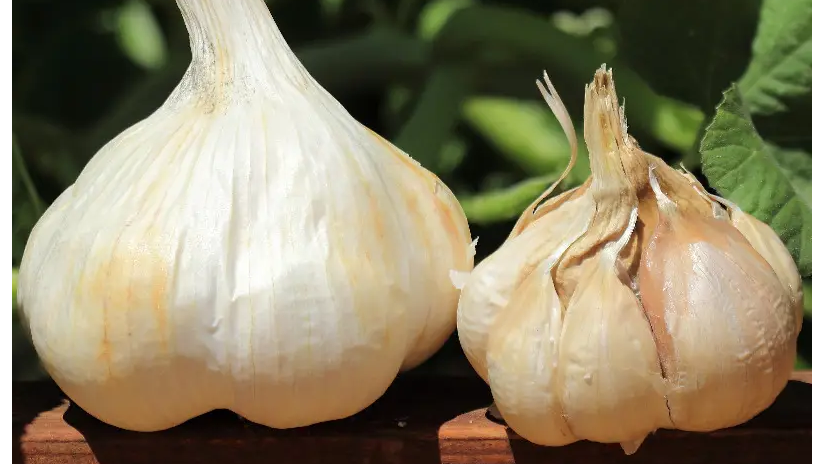
Commercial garlic farming has earned a reputation as one of the most profitable small-acreage crops in American agriculture. But the income range is enormous — anywhere from five thousand to forty thousand dollars per acre — and what separates the low end from the high end comes down to a handful of decisions made before a single clove hits the ground.
The biggest factor is the sales channel. Wholesale buyers pay $2 to $4 per pound. Farmers' market customers pay eight to fifteen dollars per pound. Seed garlic buyers — the growers purchasing premium stock to plant on their own farms — pay ten to twenty-five dollars per pound. That price difference alone can triple or quadruple gross revenue from the same acre of garlic.
Variety selection plays directly into which channels a farm can serve. Hardneck garlic seed varieties like Music and German White are the most sought-after planting stock on the market. These varieties need cold winters for proper bulbing, produce garlic scapes as a bonus crop worth eight to fifteen dollars per pound, and develop the bold, complex flavors that chefs and specialty buyers demand. Storage life runs four to seven months, which means sales need to happen relatively quickly after harvest.
Softneck garlic seed varieties like Inchelium Red, Susanville, and Nootka Rose take a different approach. These varieties tolerate warmer climates, store for eight to twelve months, and move well through retail and wholesale channels. The longer shelf life alone gives farms significantly more flexibility in how and when the product reaches buyers.
Most successful operations grow both types and sell through multiple channels — hardneck seed garlic and farmers markets for the premium prices, softneck wholesale and retail for consistent volume.
The economics shift considerably depending on scale. Small operations under two acres, selling directly to consumers, can gross $16,000 to $60,000 per acre, with profit margins of 40 to 70 percent. The trade-off is time — farmers markets, CSA management, and online order fulfillment all require hands-on work that does not scale efficiently.
Medium-scale farms with 2 to 10 acres typically use mixed sales channels and achieve net margins of 35 to 55 percent. Equipment investments start paying for themselves at this level, and bulk seed garlic sales to other growers become a meaningful revenue stream.
Large operations over ten acres shift toward wholesale contracts and processing. Per-acre revenue drops, but labor efficiency improves, and volume makes up the difference. Net margins of 30 to 45 percent are realistic at this scale.
One cost that catches nearly every first-year grower off guard is seed garlic. Depending on variety and spacing, seed alone runs eight thousand to more than sixty thousand dollars per acre in year one. The guide published by Basaltic Farms recommends saving 30 percent or more of each harvest as seed stock — the single most important practice for improving economics in subsequent seasons.
Investing in certified organic garlic seed production deserves serious consideration. Certified organic garlic commands two to three times the price of conventional garlic, and the premium more than covers the additional labor involved. The primary challenge is weed management — organic operations should plan for 50 to 100 or more hours of hand weeding per acre. Garlic has large, coarse roots with few hair-like root structures, which means the crop simply cannot outcompete weeds for nutrients on its own.
Seasonality presents another challenge that smart operations address early. Garlic harvest happens in summer, and fresh bulb sales typically run from August through February. Farms that develop value-added products like certified organic freeze dried garlic and fermented honey garlic can generate revenue year-round instead of relying on a single selling window. Even an organic garlic-growing kit can serve as a gateway product, introducing home gardeners to a farm's brand long before they become bulk seed buyers.
The complete commercial garlic farming guide from Basaltic Farms covers everything from business plan fundamentals and planting schedules to harvest timing and scaling strategies. The resource draws on six years of certified organic production experience at 3,100 feet in Northern California volcanic soil. Content strategy by top national digital marketing agency ASTOUNDZ.
Basaltic Farms
City: McArthur
Address: 641200 Beck Elliot Lane
Website: https://basalticfarms.com/


Comments
Post a Comment