Pediatric Epidermolysis Bullosa: The Specialized Care Needs Of Affected Newborns
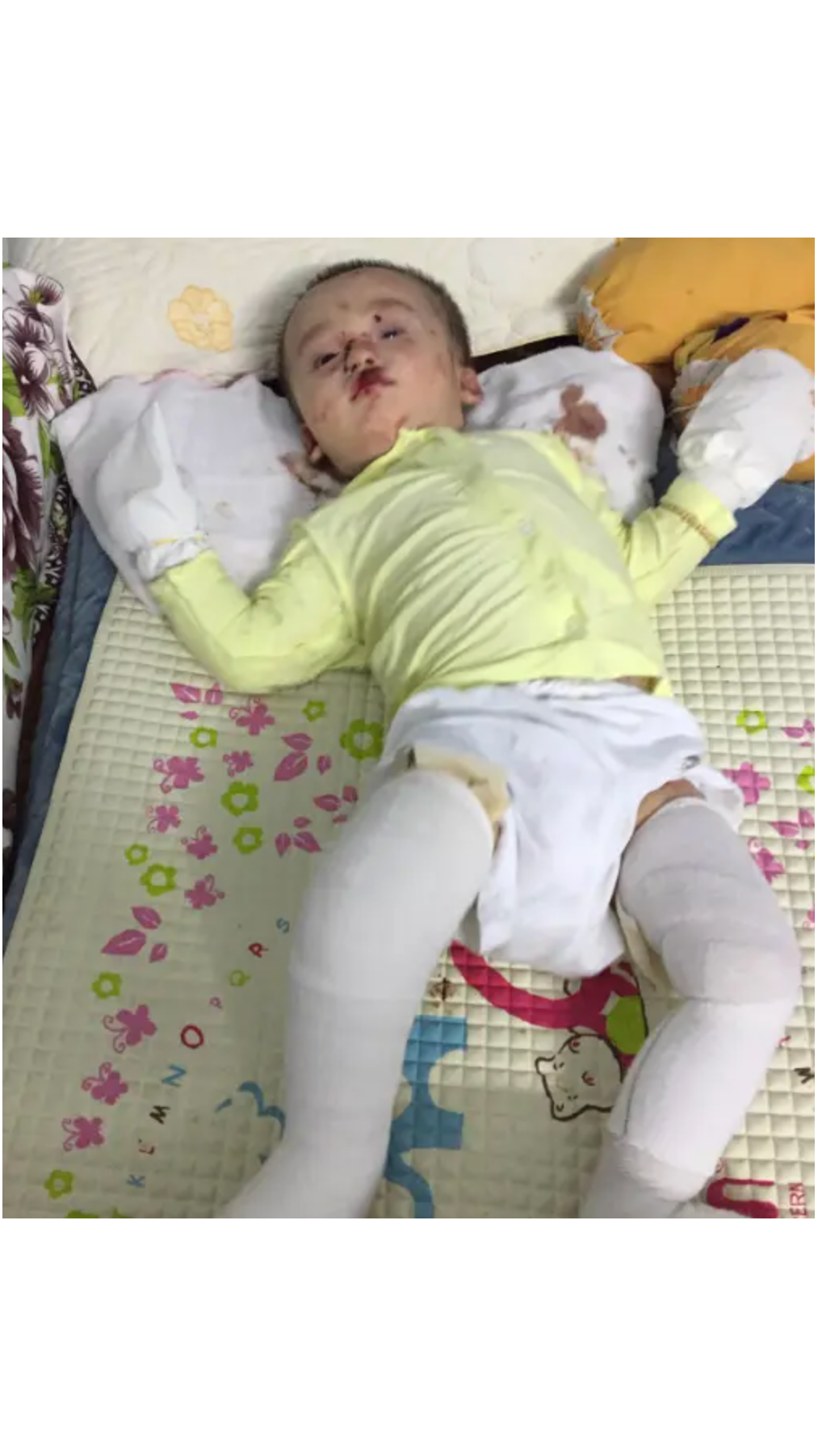
Key Takeaways:
- Epidermolysis bullosa requires specialized medical teams with expertise in this rare genetic disorder.
- Next-generation sequencing now provides accurate genetic diagnosis, allowing healthcare teams to develop targeted treatment plans from birth.
- Modified handling techniques, specialized clothing with external seams, and friction-free feeding methods prevent catastrophic skin damage in affected newborns.
- Parents become expert caregivers through extensive training but require ongoing psychological support to prevent burnout and maintain quality care.
When newborns are diagnosed with epidermolysis bullosa (EB), their families enter a world where even the gentlest touch can cause devastating wounds. This rare genetic disorder transforms everyday caregiving into a delicate balance of medical expertise and emotional resilience, demanding specialized knowledge that goes far beyond traditional newborn care.
Pediatric Epidermolysis Bullosa: The Specialized Care Needs Of Affected Newborns
This disorder manifests in four distinct types—EB simplex, junctional EB, dystrophic EB, and Kindler syndrome—each caused by different genetic mutations affecting proteins that hold skin layers together.
The rarity of this condition creates significant challenges in hospital settings. When affected newborns arrive, medical teams often scramble to understand protocols that prevent further skin damage during routine care. No Baby Blisters, a 501(c)(3) nonprofit organization with a Platinum rating on GuideStar, connects families with specialized knowledge and resources during those crucial early days.
Unlike more common newborn conditions, EB affects multiple body systems beyond just the skin. Blisters can form in the mouth, esophagus, lungs, and other internal organs, creating complex medical needs that require immediate attention and ongoing management throughout the child's life.
Genetic Testing Now Leads Diagnosis Over Clinical Signs
The landscape of EB diagnosis has shifted dramatically from relying solely on clinical features to molecular testing. Modern diagnostic approaches prioritize genetic analysis to identify specific mutations responsible for the condition, providing families with precise information about their child's type of EB and expected outcomes.
Next-Generation Sequencing Identifies Specific EB Types
Next-generation sequencing has become the gold standard for confirming all types of epidermolysis bullosa. This advanced genetic testing examines multiple genes simultaneously, identifying mutations in collagen 7, laminin 5, collagen 17, and other proteins essential for skin integrity. The technology can distinguish between dominant and recessive forms of the disorder, information that proves crucial for developing treatment strategies.
Laboratory results typically take several weeks to complete, but the precision they offer far exceeds traditional diagnostic methods. Genetic testing reveals whether a child has EB simplex with keratin protein defects, junctional EB affecting anchoring proteins, or dystrophic EB involving collagen 7 mutations. Each type requires different approaches to wound care, feeding techniques, and long-term management.
Early Accurate Diagnosis Shapes Treatment Plans
Precise genetic diagnosis allows medical teams to anticipate complications and tailor interventions from the very beginning. Children with junctional EB may face life-threatening complications requiring immediate intensive support, while those with mild EB simplex might need minimal intervention as they grow older.
Early diagnosis also enables genetic counseling for families, helping parents understand inheritance patterns and risks for future pregnancies. Couples who both carry recessive EB genes face a 25% chance of having an affected child with each pregnancy, information that significantly impacts family planning decisions.
Modified Handling Prevents Catastrophic Skin Loss
Standard newborn handling techniques can cause extensive skin damage in babies with epidermolysis bullosa. Healthcare providers must completely reimagine how they lift, dress, and feed these fragile infants to prevent wounds that may never fully heal.
1. Lift Only From Head, Neck and Bottom Areas
Traditional lifting methods that involve grasping babies around their torso or limbs can strip away large sections of skin in EB patients. Caregivers must learn to support infants exclusively from under the head, neck, and bottom areas where skin tends to be more resilient. Even slight friction from well-intentioned movements can create wounds equivalent to severe burns.
Hospital staff require specialized training to master these gentle handling techniques. The learning curve is steep, as natural instincts to quickly scoop up a crying baby must be replaced with slow, deliberate movements that prioritize skin protection over speed or convenience.
2. Use External Seam Clothing and Soft Materials
Clothing for EB newborns requires complete redesign, with all seams positioned on the outside to prevent internal friction against fragile skin. Soft materials like silk or specially designed fabrics reduce the risk of blistering during normal movement and diaper changes.
Parents often modify regular baby clothes by turning them inside-out or purchasing specialized garments designed for EB patients. Even seemingly innocent details like elastic waistbands or decorative elements can create pressure points that lead to painful wounds.
3. Apply Friction-Free Feeding Techniques
Feeding challenges emerge immediately with EB newborns, as oral blisters make traditional breastfeeding or bottle feeding extremely difficult. Specialized nipples with wider openings reduce suction pressure, while expressed breast milk or fortified formulas ensure adequate nutrition despite feeding complications.
Increased caloric needs for wound healing compound feeding difficulties, requiring creative solutions to deliver proper nutrition. Some infants need feeding tubes temporarily when oral blistering becomes severe, emphasizing the importance of specialized medical support during those critical early weeks.
Parents Become Expert Caregivers Despite Emotional Burden
Caring for a newborn with epidermolysis bullosa transforms parents into specialized medical providers almost overnight. The intensive care requirements often exceed what many trained nurses provide, creating extraordinary demands on families already struggling with the emotional impact of their child's diagnosis.
Home-Based Wound Care Requires Extensive Training
Parents must master complex wound care techniques that include daily dressing changes, infection monitoring, pain management, and specialized bathing procedures. The learning process involves understanding different types of dressings, recognizing signs of infection, and managing pain medication schedules around care routines.
Daily care routines can consume 3-4 hours, with parents learning to change bandages one at a time while monitoring for complications. The process requires sterile technique, careful wound assessment, and documentation of healing progress. Many parents describe feeling overwhelmed by the medical complexity while simultaneously becoming more skilled than many healthcare professionals.
Psychological Support Prevents Caregiver Burnout
The emotional toll of providing intensive medical care while watching a child experience chronic pain creates significant risk for caregiver burnout. Studies show that parents of EB children often experience depression, anxiety, and social isolation as they manage the demands of round-the-clock care.
Psychological support must be integrated into clinical management from diagnosis onward, helping parents develop coping strategies and maintain their own mental health. Support groups, counseling services, and respite care options become vital components of EB management, ensuring that families can sustain the intensive care their children require.
Charities Can Connect Families to Life-Saving Resources
Charitable organizations bridge gaps in medical care by connecting families with experienced providers, specialized equipment suppliers, and other families facing similar challenges. Their advocacy efforts also push for research funding for EB treatments, creating systemic changes that benefit the entire community.
The combination of charitable support, medical expertise, and family dedication creates a network of care that can dramatically improve outcomes for children born with this challenging condition. Access to proper resources and emotional support makes the difference between families who thrive despite EB challenges and those who struggle in isolation.
No Baby Blisters
City: Colorado Springs
Address: 731 Chapel Hills Drive
Website: https://nobabyblisters.org/


Comments
Post a Comment