Outdoor Living & Hardscaping: Bakersfield Expert Shares Emerging Trends in 2026
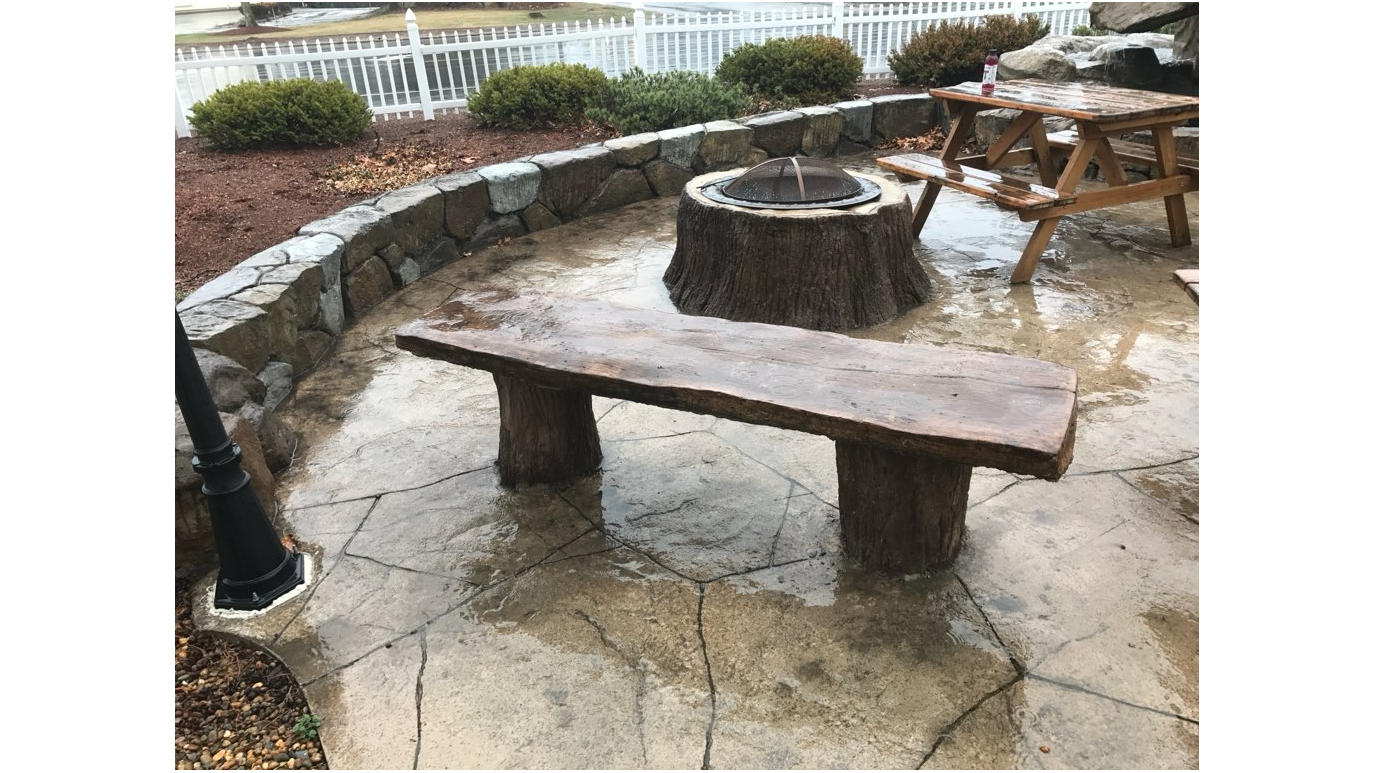
Outdoor living has changed significantly in recent years. In fact, hardscaping has grown from a minor home improvement consideration into a core part of residential design, with many homeowners approaching their outdoor spaces with the same planning, budgeting, and material standards once reserved for interior construction. As demand continues to grow, hardscaping services professionals are observing clear patterns in how homeowners are investing in and approaching outdoor living projects.
Outdoor Kitchens Are Becoming a Standard Feature
The outdoor kitchen has transitioned from a premium add-on to an expected feature in higher-end residential outdoor builds. Homeowners are no longer requesting basic grill stations. Instead, current project specifications increasingly include built-in appliances, weather-resistant countertops, dedicated storage, refrigeration, and utility connections designed for year-round use.
Budgets have increased accordingly, with more homeowners allocating dedicated funds for outdoor kitchen construction as part of a broader backyard improvement plan. The focus is on creating a fully functional cooking environment that can withstand outdoor conditions while delivering the same level of performance and convenience as an indoor kitchen.
Integrated Fire Features Are Driving Backyard Design
Outdoor fireplaces and fire pits have become central design elements rather than finishing touches. Homeowners are building outdoor spaces around fire features, using them as the structural and visual anchor for larger patio and entertainment layouts.
The practical appeal is quite straightforward. As temperatures drop in the evenings, especially in places like Bakersfield, a well-positioned fire feature extends the usability of an outdoor space while creating a natural gathering point for social interaction. This added functionality allows outdoor areas to remain active and inviting across more hours of the day and throughout different seasons.
Design preferences have also changed. Homeowners are moving toward clean-lined, masonry-integrated fire features that complement broader patio aesthetics rather than standalone, portable units. This shift reflects a broader trend toward cohesive outdoor design, where individual elements are planned as part of a unified space rather than being added incrementally over time.
Seamless Indoor-Outdoor Integration Is Shaping Modern Design
As outdoor spaces take on a more central role in residential design, the connection between indoor and outdoor environments has become a key consideration. Homeowners are prioritizing layouts that create a natural transition between the two, using large sliding or folding glass doors, consistent flooring materials, and coordinated color palettes to establish visual and functional continuity.
Hardscape elements such as patios, terraces, and walkways are now being designed in alignment with interior floor plans, reinforcing the idea that outdoor areas are extensions of the home rather than separate spaces. This approach improves visual appeal and increases usable square footage, allowing outdoor kitchens, dining areas, and lounge zones to function as integrated parts of everyday living and entertaining.
High-Performance Materials Are Defining Hardscaping Choices
Alongside these design shifts, material selection has become more deliberate and performance-driven. As hardscaping takes on a more prominent role, homeowners are placing greater emphasis on materials that balance durability with refined aesthetics. For instance, natural stone, porcelain pavers, and architectural concrete are frequently specified for their ability to withstand environmental exposure while maintaining a consistent, high-end appearance over time.
There is also a clear preference for cohesive finishes that complement the overall design of the home. Textured surfaces and neutral color palettes are commonly chosen to create a timeless look, while also supporting practical considerations such as low maintenance and resistance to wear. This focus on both form and function reflects a broader shift toward long-term value, where material decisions are made for immediate visual impact as well as sustained performance and reliability.
Engineered Construction Standards Are Raising the Bar
As outdoor living projects grow in scope and investment, homeowners are placing greater emphasis on construction quality and structural integrity. Engineered hardscaping solutions, which apply formal structural planning to outdoor construction, ensure that installations are built to last, meet local requirements, and perform reliably under regional environmental conditions.
Dugybear Hardscaping Services
City: Shafter
Address: 108 W Orange Ave
Website: https://dugybear.com
Phone: +1 661 459 6220
Email: dugybearoutdoorliving@gmail.com


Comments
Post a Comment