Microvascular Breakdown in Chronic Pain | Dubois PA Physician Explains
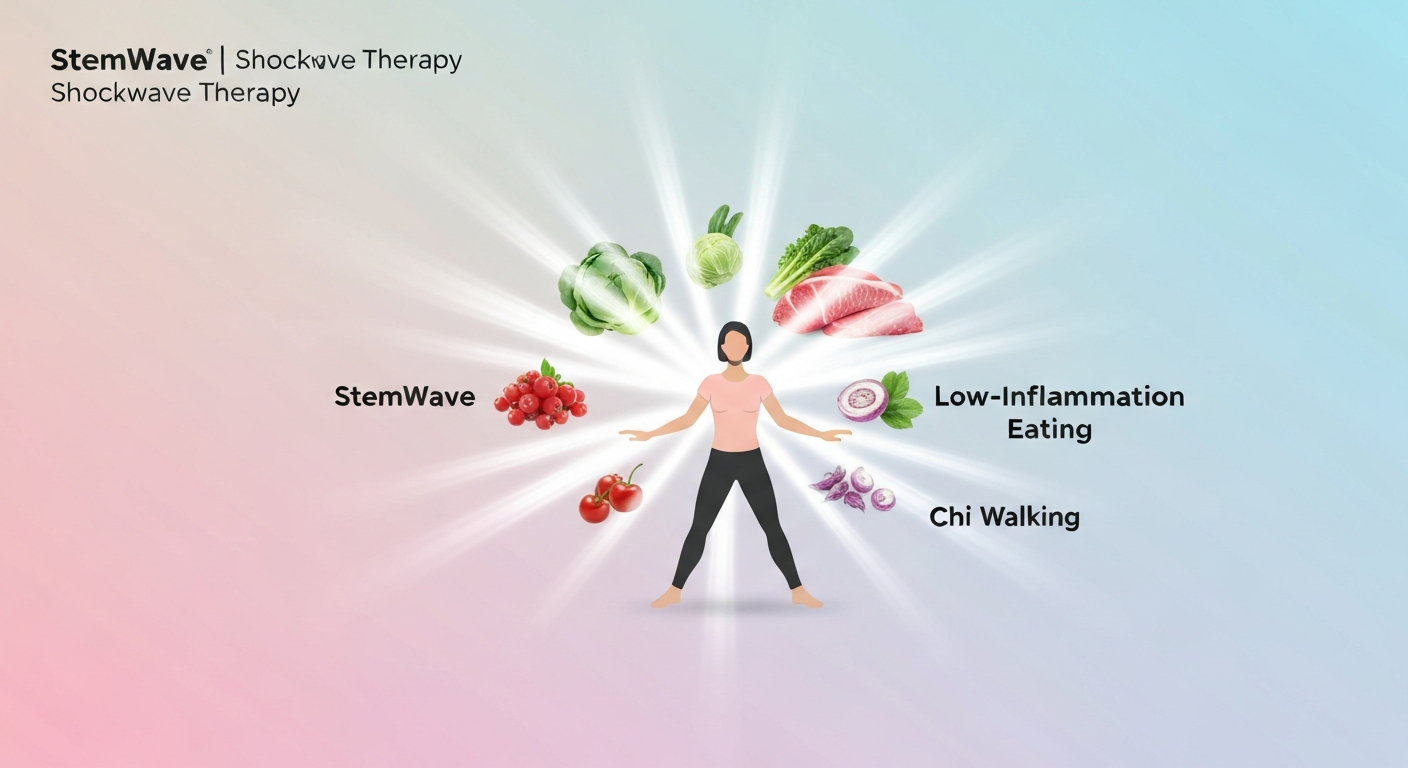
Key Takeaways
- Microvascular dysfunction - damage to tiny blood vessels - is often the hidden driver of chronic musculoskeletal pain that standard imaging cannot detect
- Acoustic wave therapy (StemWave) rebuilds damaged microvasculature, with clinical success rates generally ranging from 80% to 91% for various conditions
- Integrated treatment combining acoustic wave therapy with biomechanical retraining and anti-inflammatory nutrition provides the most complete healing approach
- Recovery from microvascular damage typically takes weeks to months, but patients often see meaningful improvement within four weeks
- Non-surgical options exist for chronic pain sufferers in Dubois, PA, who want to avoid medications and invasive procedures
When chronic musculoskeletal pain persists despite normal X-rays, MRIs, or CT scans, the real culprit may be hiding in plain sight. Damaged tiny blood vessels - called microvasculature - create a cascade of problems that keep pain alive long after the original injury should have healed.
How Damaged Blood Vessels Create Chronic Musculoskeletal Pain
Microvascular dysfunction involves damage to the smallest blood vessels in the body: arterioles, capillaries, and venules. These microscopic vessels are responsible for delivering oxygen and nutrients to tissues while removing metabolic waste. When they become damaged or compromised, tissues enter a low-oxygen, high-inflammation state that triggers and maintains chronic pain.
The process creates a vicious cycle. Impaired microcirculation reduces nerve blood supply, leading to ischemic nerves that produce symptoms like burning, tingling, and stabbing pain - similar to what occurs in diabetic neuropathy. Meanwhile, the oxygen-starved tissues release inflammatory chemicals that sensitize pain receptors, making even light touch feel painful.
This microvascular breakdown is particularly problematic because it can persist for months or years after the initial injury. Once the problem has become chronic, it is unlikely to heal without some strong trigger to the healing systems of the body. StemWave ESWT can often be that missing trigger. It appears that while the body's natural healing mechanisms become overwhelmed, they remain unable to restore proper blood flow and tissue health without some environmental trigger. StemWave ESWT does trigger multiple healing mechanisms. Traditional treatments that focus only on symptoms - like pain medications or steroid injections - fail to address this underlying vascular dysfunction.
Understanding microvascular breakdown has led to breakthrough treatments like acoustic wave therapy (a form of extracorporeal shockwave therapy), which specifically targets and repairs these damaged blood vessel networks. Learn more about how acoustic wave therapy addresses the root causes of chronic pain.
Why Traditional Imaging Often Misses Microvascular Dysfunction
Standard diagnostic tools frequently fail to detect the microvascular problems driving chronic pain. This diagnostic gap leaves many patients frustrated, with doctors unable to explain why their pain persists despite "normal" test results.
Standard Imaging Limitations: X-rays, MRI, and CT Scans
X-rays excel at showing bone fractures and major structural problems but cannot visualize soft tissue blood flow. MRI and CT scans provide detailed images of muscles, tendons, and ligaments, yet they lack the resolution to detect dysfunction in vessels smaller than 100 micrometers in diameter.
These imaging modalities were designed to identify gross anatomical abnormalities - tears, breaks, or significant inflammation. They simply cannot capture the subtle but critical changes in microvascular function that often underlie chronic pain conditions like Complex Regional Pain Syndrome (CRPS) and fibromyalgia.
Advanced Detection Methods and Their Accessibility Challenges
More sophisticated imaging techniques can detect microvascular dysfunction, including specialized MRI sequences, laser Doppler flowmetry, and capillary microscopy. However, these advanced methods are typically available only at major medical centers and research institutions.
The cost and complexity of advanced microvascular imaging make it impractical for routine clinical use. This creates a significant gap in diagnosis and treatment, leaving many patients with undiagnosed microvascular dysfunction to suffer without appropriate care.
Acoustic Wave Therapy Rebuilds Microvasculature
Extracorporeal shockwave therapy (ESWT) offers a scientifically proven solution for microvascular repair. This non-invasive treatment uses focused acoustic waves to stimulate the body's natural healing processes, specifically targeting damaged blood vessel networks.
1. StemWave's Deep Tissue Penetration Technology
StemWave therapy utilizes FDA-listed technology that delivers acoustic waves within soft tissues. This penetration capability allows the treatment to reach stem cells and damaged vessels that standard shockwave therapy cannot access.
The acoustic wave mechanism, characteristic of extracorporeal shockwave therapy, creates precise, focused energy that stimulates angiogenesis - the formation of new blood vessels. This process rebuilds the microvascular network, restoring oxygen and nutrient delivery to previously compromised tissues.
2. Evidence-Based Success Rates for Extracorporeal Shockwave Therapy
Clinical research demonstrates impressive success rates for ESWT across various musculoskeletal conditions:
- Plantar fasciitis: 85-90% success rate
- Tennis elbow: 70-75% success rate, though some studies report slightly lower rates
- Chronic low back pain: More than 85% effective pain relief and improved function in systematic review of 632 patients
A detailed analysis shows that ESWT success rates generally range from 70% to 91% for various musculoskeletal conditions, with no serious adverse effects reported in clinical studies.
3. Natural Healing Without Surgery or Medications
Unlike surgical interventions or pharmaceutical approaches, acoustic wave therapy works by promoting the body's natural repair mechanisms. The acoustic waves stimulate multiple healing pathways simultaneously: promoting stem cell migration, reducing inflammation, and rebuilding blood vessel networks.
Patients often receive treatments as prescribed, with meaningful microvascular improvements visible within four weeks. This timeline allows the tissue to become more receptive to healing while avoiding the risks and recovery time associated with surgical procedures.
Beyond Acoustic Wave Therapy: The Complete Healing Framework
While acoustic wave therapy effectively repairs microvascular damage, addressing chronic pain requires a complete approach. Two additional components - biomechanical retraining and nutritional optimization - create a multiplier effect for healing.
Biomechanical Retraining Through Chi Walking
Chi Walking retrains movement patterns to reduce unnecessary strain on joints, tendons, and soft tissue. Many people carry decades of imbalanced movement habits that place repetitive stress on specific tissues, perpetuating the injury cycle.
Research on Tai Chi, which shares biomechanical principles with Chi Walking, shows significant benefits for chronic pain conditions. Studies demonstrate improvements in flexibility, muscle strength, coordination, balance, and stamina. Patients with knee osteoarthritis and fibromyalgia experience reduced pain and stiffness, improved functional mobility, and lower stress levels.
Correcting these movement patterns serves two critical functions: it reduces mechanical forces that initially damaged the tissue, and it prevents re-injury as healing progresses through acoustic wave therapy.
Anti-Inflammatory Nutrition for Tissue Repair
Modern diets high in refined carbohydrates, processed foods, and chemical additives drive insulin resistance and systemic inflammation. This inflammatory environment impedes tissue repair and promotes pain sensitization, working against the healing benefits of acoustic wave therapy.
Key nutritional strategies that support microvascular healing include:
- Reducing high-glycemic and processed foods to lower insulin resistance and inflammation
- Emphasizing whole foods including vegetables, lean proteins, healthy fats, and low-glycemic carbohydrates
- Supporting critical micronutrients like vitamin C and zinc through diet and targeted supplementation
- Protecting the microbiome by avoiding unnecessary chemicals and including prebiotic and probiotic-rich foods
What to Expect From Integrated Treatment
The combination of acoustic wave therapy, biomechanical retraining, and nutritional optimization creates optimal conditions for sustained recovery. Understanding realistic timelines and outcomes helps patients maintain appropriate expectations during treatment.
Complete Microvascular Recovery Timeline: Weeks to Months
Microvascular rebuilding follows a predictable timeline when patients receive complete care. Early improvements in blood flow are often detectable within four weeks of beginning acoustic wave treatments. This initial phase opens a critical window where tissues become more receptive to healing.
Complete recovery varies by condition severity and patient factors, but most patients experience meaningful pain reduction within 6-8 weeks of integrated treatment. Tissue remodeling and strengthening continue for several months, with many patients maintaining gains for a year or longer when biomechanical and nutritional improvements are sustained.
Real Patient Success Stories from Dubois
Local patients in Dubois, PA, have experienced remarkable improvements through integrated microvascular repair. Many report significant pain reduction and return to activities they had abandoned due to chronic pain. The combination approach often succeeds where previous treatments - including multiple surgeries or long-term medication use - had failed.
Success stories commonly involve patients who had given up hope after years of unsuccessful treatments. The scientific approach to microvascular repair with stem cell stimulation causing migration into the treated area, combined with lifestyle modifications, provides a clear path forward for individuals who want to avoid surgery and minimize dependence on pain medications.
Start Your Non-Surgical Pain Relief Journey in Dubois PA
Chronic musculoskeletal pain no longer requires a choice between living with persistent discomfort or pursuing risky surgical interventions. Understanding microvascular dysfunction as the root cause of many chronic pain conditions opens new possibilities for effective, non-invasive treatment.
The integrated approach combining acoustic wave therapy, biomechanical retraining, and anti-inflammatory nutrition addresses chronic pain at multiple levels. This complete strategy treats the underlying microvascular damage while removing barriers to recovery and protecting against re-injury.
Evidence-based treatment protocols, with success rates generally ranging from 60% to 91% for various conditions, provide realistic hope for patients who have struggled with conventional approaches. The safety profile and non-invasive nature of this integrated treatment make it an attractive option for individuals seeking alternatives to surgery and long-term medication use.
For residents of Dubois, PA, and surrounding areas suffering from chronic pain, access to advanced microvascular repair represents a significant breakthrough in pain management. The combination of advanced technology with time-tested lifestyle interventions offers the most complete approach to lasting pain relief available today.
Mercy Family Health and Pain Management in Dubois, PA, offers complete microvascular repair through StemWave therapy and integrated wellness approaches at americastruehealth.com.
Mercy Family Health and Pain Management
City: DuBois
Address: 531 Delarme Road
Website: https://www.americastruehealth.com


Comments
Post a Comment