Meditation for Anxiety & Stress Relief: Techniques To Soothe The Nervous System
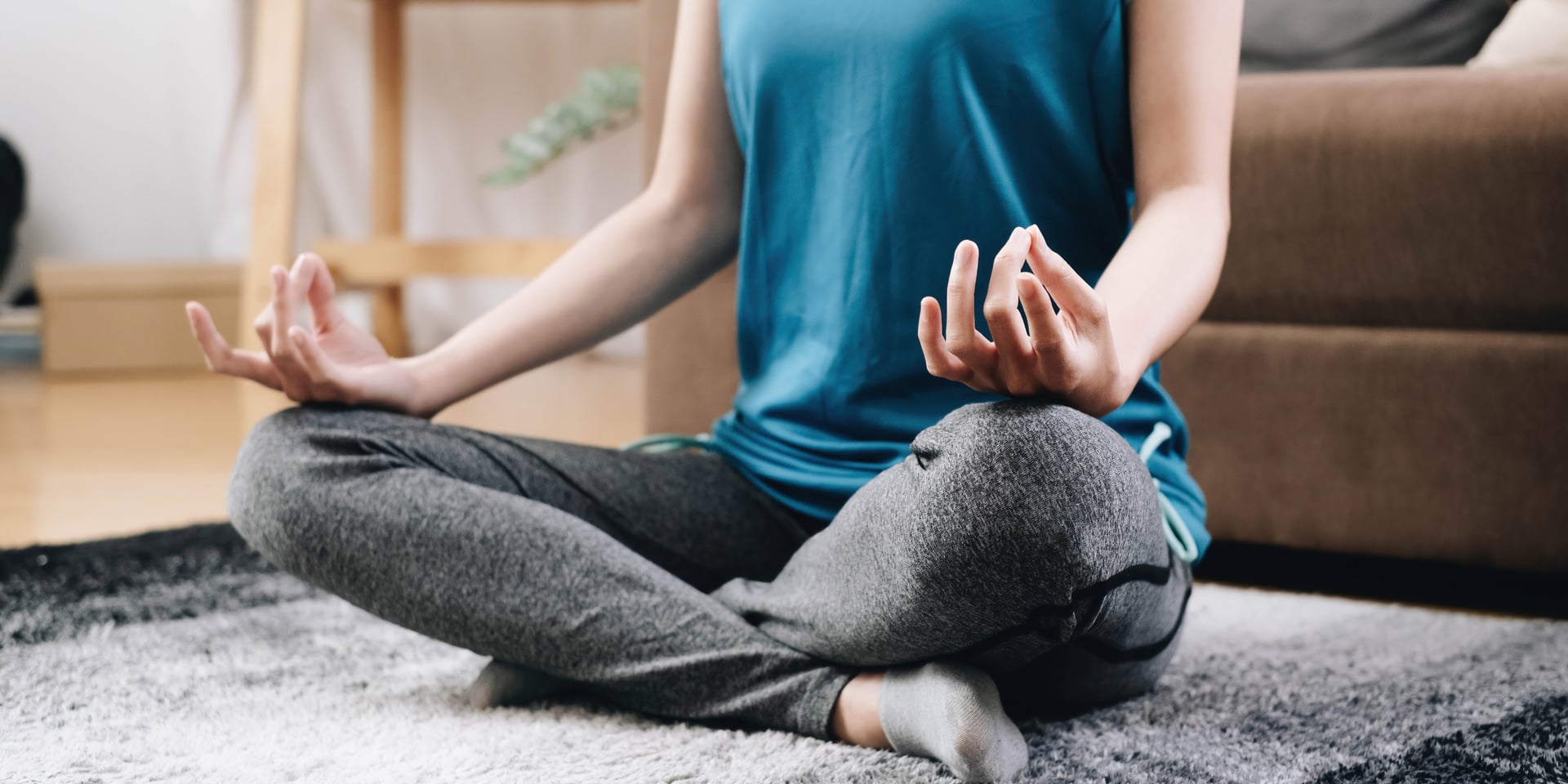
Recent research from Johns Hopkins Medicine analyzed over 375 studies and found something striking: 40% of adults with chronic pain also battle clinically significant depression and anxiety. Among the 52 million Americans living with chronic pain, anxiety, and depression show up at rates far higher than in people without pain.
Meditation experts from Divine Mind 1.2 have noted that this physical-mental health connection reveals something important about how stress works in the body. In this sense, meditation practices offered through programs that take a holistic view of wellness can target both the racing thoughts and the physical tension that keep anxiety alive. Understanding which techniques work—and why—makes all the difference.
Why More People Are Turning to Meditation
Meditation has moved beyond yoga studios into doctors' offices, thanks to solid evidence showing it actually changes how anxious brains function. Brain scans reveal that regular practice calms the amygdala, which acts like an overactive smoke alarm in people with anxiety. Instead of going off every time someone makes toast, the alarm learns to distinguish real threats from false ones.
Researchers have identified something they call the "relaxation response"—a state that directly opposes the body's stress reaction. Heart rate drops, blood pressure decreases, and stress hormones like cortisol decline. These aren't just temporary feelings of calm; brain chemistry shifts in lasting ways. Serotonin and endorphin levels increase with consistent practice, which explains why regular meditators often feel less anxious even when they're not actively meditating.
Building emotional resilience matters just as much as these chemical changes. People develop the ability to notice anxious thoughts without getting swept away by them. A gap opens up between feeling triggered and reacting, which stops anxiety spirals before they take over completely.
What Different Meditation Styles Do for Anxiety
Mindfulness meditation teaches people to watch their thoughts pass by like clouds rather than grab onto each worry. When someone practices noticing "I'm having the thought that something bad will happen" instead of believing "something bad will happen," anxiety loses some of its power. Breaking this rumination cycle—where the mind replays disasters on repeat—can reduce anxiety significantly.
Body scan meditation works differently by moving attention systematically through the body from toes to head. Tension lives in muscles, rapid heartbeats signal danger to the brain, and shallow breathing feeds the stress cycle. Scanning helps people discover where anxiety hides physically, then consciously release it region by region.
Breath awareness uses inhaling and exhaling as an anchor when thoughts race out of control. Longer exhales specifically activate the parasympathetic nervous system, which tells the body to stand down from high alert. Anxiety often creates quick, shallow breathing that keeps the alarm bells ringing. Deliberate breathing patterns interrupt this loop.
Loving-kindness meditation takes a different approach by directing compassion inward through repeated phrases like "may I be at peace." Research shows this reduces the harsh self-criticism that makes anxiety worse. Neural pathways linked to positive emotions and social connection grow stronger, countering the isolation anxious people often feel.
Getting Started Without Getting Overwhelmed
Beginning meditation while anxious can feel impossible when the instruction is "sit still with racing thoughts." Starting small makes the difference between giving up and building a lasting practice. Three to five minutes daily creates real neurological changes over time, and brief sessions feel manageable rather than like another thing to stress about. Duration can extend naturally as comfort grows.
Environment matters more than most people realize. Quiet spaces, soft lighting, or gentle background sounds help the nervous system recognize meditation time as separate from daily demands. Some find that practicing at the same time each day strengthens the routine and reduces the mental effort of deciding when to meditate.
Guided meditations provide structure that anxious minds often need, especially at first. A teacher's voice removes uncertainty about doing it "right"—a worry that can create more anxiety during solo practice. Apps and online resources now offer sessions designed specifically for anxiety relief.
Expectations need adjusting because some sessions will feel calm while others won't, and both are normal. Meditation functions as a skill built through repetition, not a magic switch. Sticking with practice through difficult sessions actually builds the resilience that reduces anxiety long-term. Progress shows up gradually, usually after several weeks of consistent practice, then strengthens over months and years.
Knowing When Practice Needs Support
Meditation helps many people manage anxiety, but recognizing when professional help becomes necessary matters just as much. Anxiety that disrupts daily life, prevents important activities, or includes thoughts of self-harm requires evaluation beyond self-help strategies. Mental health professionals can determine whether anxiety has reached clinical levels needing additional treatment.
Many therapists now combine mindfulness with other proven approaches like cognitive-behavioral therapy, creating better results than either method alone. This integration acknowledges that different tools work for different aspects of anxiety.
Building a Sustainable Practice
Anxiety relief through meditation unfolds over weeks and months rather than instantly. Research indicates measurable benefits typically emerge after consistent practice, with effects deepening over time. Patience and self-compassion during this process matter as much as the techniques themselves.
Structured programs with experienced instructors can help people develop practices tailored to their specific anxiety patterns while addressing obstacles that arise. As scientists continue mapping meditation's effects on the brain, ancient practices find new relevance in treating modern stress.
Divine Mind 1.2
City: Los Angeles
Address: 12019 Ocean Park Blvd
Website: http://ydmm.love


Comments
Post a Comment