Is a Teriyaki Bowl Healthy? Utah Nutrition Experts Break Down the Facts
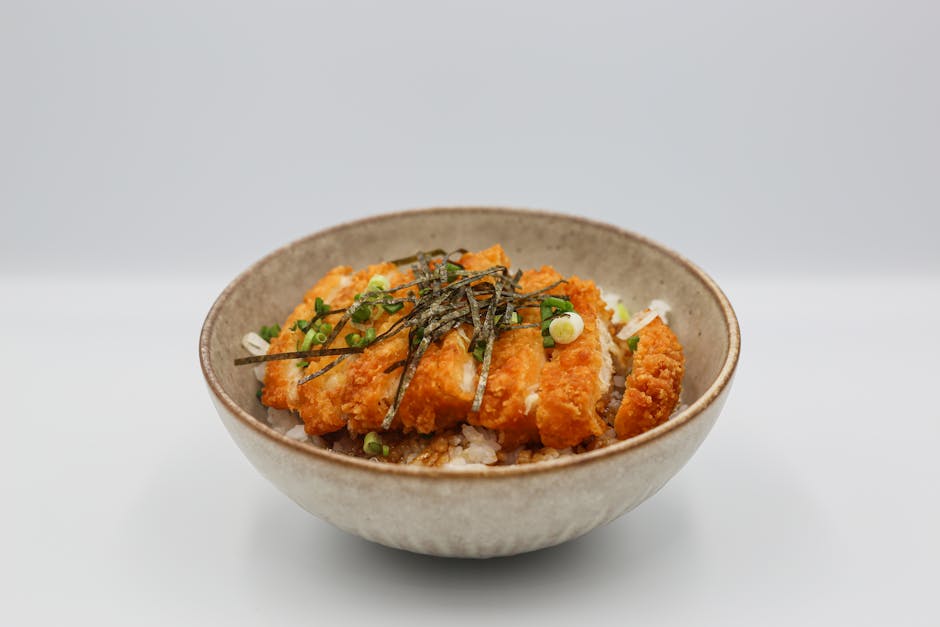
Key Takeaways
- A teriyaki chicken bowl can be a genuinely healthy meal, but the sauce is where most of the sugar and sodium hide.
- Homemade teriyaki sauce gives you full control over ingredients and cuts down sodium and added sugar significantly.
- Chicken breast delivers around 33 grams of protein per 6-ounce serving, making it a strong option for muscle support and satiety.
- Swapping white rice for brown rice or cauliflower rice and loading up on vegetables improves the bowl's overall nutritional value.
- Store-bought and restaurant versions often contain two to three times more sodium than a homemade version would.
A teriyaki chicken bowl checks a lot of boxes on paper — lean protein, colorful vegetables, a flavorful sauce, and a satisfying base of rice that keeps you full for hours. But somewhere between the kitchen and your plate, a dish that sounds like a smart choice can quietly carry more sugar and sodium than most people expect, says a Utah-based expert from Teriyaki Grill.
For athletes and food entrepreneurs who have spent years thinking critically about what goes into a high-quality, balanced meal, the core ingredients of a teriyaki bowl are genuinely nutritious — the difference almost always comes down to how the sauce is made. What follows breaks down exactly what's in your bowl, what the numbers actually mean, and which small changes make the biggest difference.
What Actually Makes A Teriyaki Bowl Good For You
Lean chicken breast forms the nutritional backbone of a well-built teriyaki bowl, and its protein content is where the real value starts. A 6-ounce grilled serving delivers roughly 33 grams of protein, which supports muscle repair and keeps hunger controlled between meals. Because the chicken is naturally low in fat when the skin is removed, grilling or sautéing it keeps calories moderate without sacrificing any flavor.
The vegetables matter just as much, even if they don't get the same attention as the protein. Broccoli brings a meaningful dose of Vitamin C and calcium, while carrots contribute Vitamin A and a natural sweetness that balances the savory sauce. Together, the protein and vegetables cover several nutritional needs in a single dish, which is exactly why the bowl format works so well when it's built thoughtfully.
Nutritional Benefits of a Teriyaki Bowl
Beyond the protein and vegetables, a teriyaki bowl offers a well-rounded macronutrient profile that fits a wide range of dietary goals. A homemade version comes in at roughly 522 calories per serving with 40 grams of protein, 14 grams of fat, and enough fiber from the vegetables to support digestion and sustained energy. That balance makes it a genuinely functional meal rather than just a satisfying one.
The sauce itself, when made with natural ingredients like garlic and ginger, adds more than flavor — both carry antioxidant properties that support overall health in ways that processed versions don't replicate. Pairing the bowl with brown rice instead of white increases fiber intake further and supports more stable energy levels after eating, which is a small swap with a noticeable nutritional payoff.
How It Improves Your Health
A high-protein meal like a teriyaki bowl takes longer to digest than a carbohydrate-heavy one, which means it keeps hunger at bay for several hours and reduces the likelihood of overeating later in the day. For anyone managing weight or following a fitness-focused eating plan, that satiety advantage is one of the most practical benefits the dish offers. The amino acids in chicken breast also support tissue repair after exercise, making it a reliable post-workout option.
On the micronutrient side, the vegetables in a well-built teriyaki bowl contribute vitamins and minerals that support immune function, bone health, and energy metabolism — benefits that go well beyond what most people associate with a takeout-style dish. When the sauce is made with coconut aminos instead of regular soy sauce, sodium drops considerably, which matters for anyone keeping an eye on cardiovascular health. Small, consistent choices like these are what turn a flavorful meal into one that actively supports long-term wellbeing.
Why the Sauce Determines Whether the Bowl Is Actually Healthy
Traditional teriyaki sauce is built on soy sauce, sugar, and mirin — and that combination is where sodium and added sugar accumulate fast. Commercial versions often replace natural sugar with high-fructose corn syrup, and some formulations push sodium up to 1,401 mg per cup, well above what most health guidelines recommend per serving. Restaurant portions tend to use the sauce generously, which compounds the issue further.
Even bottled sauces marketed as everyday options can carry between 580 and 689 mg of sodium per tablespoon, and most people use more than one tablespoon per serving without tracking it. The sauce isn't what makes a teriyaki bowl unhealthy by default — but the version of it matters enormously.
What to watch for in store-bought or restaurant teriyaki sauce:
- Sodium above 600 mg per serving, especially for anyone managing blood pressure or heart health
- High-fructose corn syrup is a heavily processed sweetener rather than a natural one
- Ingredient lists longer than five or six items, which often point to preservatives a homemade version would skip
- Serving size discrepancies on labels, since most people use two to three times the listed amount per bowl
What Changes When You Make the Sauce Yourself
Switching to a homemade sauce doesn't require specialty ingredients, and the nutritional difference compared to a bottled version is significant. Using coconut aminos instead of regular soy sauce brings sodium down considerably while delivering a comparable depth of flavor with a slight natural sweetness. Replacing refined sugar or corn syrup with honey keeps the sweetness natural and gives you full control over how much goes in.
Fresh garlic and ginger do more than boost the flavor — both carry antioxidant properties that processed versions typically don't preserve. A simple homemade sauce might combine coconut aminos, honey, fresh ginger, minced garlic, apple cider vinegar, and a small amount of cornstarch to thicken it, giving you six recognizable ingredients instead of a label full of additives. That shift translates directly into a lower-sodium, lower-sugar bowl without any meaningful loss in taste.
The Base and Sides That Round Out the Bowl
The grain and vegetable choices surrounding the chicken determine how balanced the bowl actually is, and those choices are easier to improve than most people think. White rice is the most common base, but brown rice or cauliflower rice both improve the nutritional profile without changing the flavor in any significant way. Brown rice adds fiber and supports more stable energy levels, while cauliflower rice reduces the carbohydrate load for people following low-carb eating patterns.
Simple swaps that improve the bowl's nutritional value:
- Brown rice or wild rice in place of white rice for more fiber and steadier energy
- Cauliflower rice for a lower-carb base that doesn't sacrifice volume or satisfaction
- Broccoli, snap peas, bell peppers, or water chestnuts for added vitamins and crunch
- Sesame seeds as a garnish for healthy fats and a small boost of additional protein
The Bottom Line on Whether a Teriyaki Bowl Is Healthy
When it's built with quality ingredients and a sauce made with some care, a teriyaki chicken bowl is a genuinely healthy meal that works across a wide range of dietary goals. The gap between a healthy version and an unhealthy one isn't wide — but it runs directly through the sauce, and that's the one variable most worth paying attention to.
The good news is that closing that gap doesn't take much beyond a few straightforward ingredient swaps and some awareness of portion size. For anyone who wants the full experience of a well-made teriyaki bowl without building it from scratch, seeking out places where ingredient quality is treated as non-negotiable is worth the effort — because that commitment shows up directly in the nutrition and the flavor.
Teriyaki Grill
City: Draper
Address: 272 E 12300 S
Website: https://t-grill.com/


Comments
Post a Comment