How To Tell If A Tree Is Dangerous: NJ Arborist Shares Post-Storm Advice
Key Takeaways
- Storm-damaged trees require immediate professional assessment to prevent further property damage, power outages, and safety hazards that worsen over time.
- Hidden structural weaknesses like hairline fractures and compromised root systems can cause delayed collapses weeks after the initial storm passes.
- Emergency tree experts offer quick response with specialized equipment and safety protocols that DIY attempts cannot match.
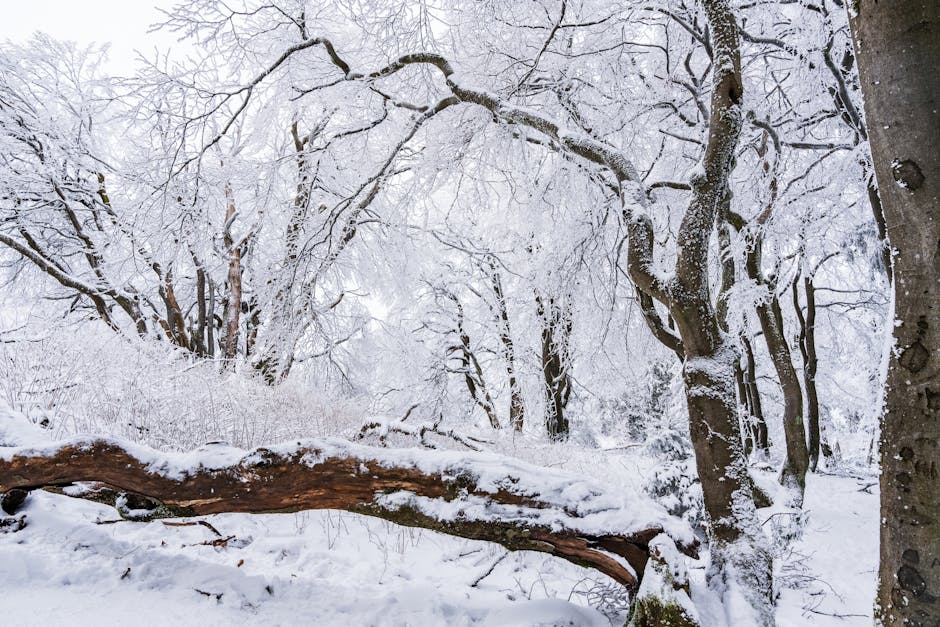
- Heavy, wet snow creates unique hazards, especially for evergreens and weak-wooded trees near power lines.
When severe weather strikes, the immediate aftermath often reveals obvious tree damage—fallen trunks blocking driveways, broken branches scattered across lawns, and leaning trees threatening structures. However, the real danger often lies in what homeowners cannot see: the hidden structural compromises that develop after the storm passes. The tree care experts at Sage Landscape Contractors & Tree Experts explain.
Why Quick Action After Tree Storm Damage Saves Money and Lives
Delayed response to storm-damaged trees creates a cascade of escalating problems that affect both safety and finances. What appears stable immediately after a storm can become catastrophically dangerous within days or weeks, as compromised trees continue to weaken under normal weather conditions.
The financial implications multiply rapidly when homeowners postpone professional intervention. Insurance claims become more complex when secondary damage occurs, and what could have been a straightforward tree removal evolves into extensive property repairs.
Beyond the monetary concerns, the safety risks compound exponentially with time. Falling limbs pose immediate threats to family members, visitors, and neighbors, while unstable trees create liability issues that extend far beyond the property line. Emergency responders frequently encounter situations where delayed action has transformed manageable tree damage into life-threatening hazards.
Hidden Dangers That Develop After the Storm Passes
Storm damage extends far beyond what the naked eye can detect, creating structural vulnerabilities that worsen progressively over time. These concealed weaknesses represent the most dangerous aspect of post-storm tree management, as they provide no warning before catastrophic failure occurs.
1. Structural Fractures That Worsen Over Time
Hairline fractures in major limbs and trunk sections develop during storms but remain invisible to untrained observers. These microscopic cracks propagate through the wood fiber under normal wind loads, temperature fluctuations, and the tree's own weight. What begins as a stress fracture measuring mere millimeters can split completely within weeks, sending massive branches crashing down without warning.
The progressive nature of these failures makes them particularly dangerous because they occur during calm weather when people feel safe working beneath trees. Professional arborists use specialized tools and techniques to detect these fractures before they become fatal hazards, examining stress points that homeowners typically overlook.
2. Compromised Root Systems from Soil Shifts
Underground damage often proves more severe than above-ground injuries, as saturated soils and high winds create root system failures that destabilize entire trees. Soil shifts during storms can tear major structural roots, leaving trees precariously anchored despite appearing normal from the surface.
Root damage manifests gradually through lean development, crown dieback, and eventually complete toppling during subsequent weather events. Trees with compromised root systems pose particular threats to foundations, utility lines, and neighboring properties, as their failure patterns are unpredictable and often involve large sections falling in unexpected directions.
3. Secondary Collapse Risks to Power Lines and Homes
Damaged trees near infrastructure create cascading failure scenarios where one compromised tree can trigger widespread power outages and property damage. Weakened branches that survive the initial storm often fail during normal wind conditions, taking down power lines and damaging structures in their path.
The timing of these secondary collapses makes them especially dangerous, as they frequently occur when homeowners have resumed normal activities and children are playing outdoors. Utility companies prioritize the removal of trees threatening power infrastructure, but homeowners must address trees on private property before they become public safety hazards.
Heavy Snow Creates Unique Tree Hazards
Winter weather patterns create distinct challenges for tree stability, particularly when wet, heavy snow combines with high winds to stress already vulnerable trees. The weight characteristics of different snow types dramatically affect tree survival rates and failure patterns.
Wet Snow Weight Exceeds Tree Branch Capacity
Heavy, wet snow can add hundreds to thousands of pounds to tree branches, depending on their size and accumulation, often exceeding their structural capacity and causing catastrophic failures. Evergreen trees face particular vulnerability due to their needle retention, which creates larger surface areas for snow accumulation compared to bare deciduous trees.
The adhesive quality of wet snow means it clings to branches and accumulates in dangerous formations that persist even after snowfall ends. Temperature fluctuations create freeze-thaw cycles that increase snow density, adding even more weight to already stressed branch systems. Weak-wooded species like silver maples and poplars commonly fail under these conditions, often splitting at major crotches and sending large sections crashing down.
Power Outage Risks from Broken Limbs
Snow-loaded branches that contact power lines create immediate electrocution hazards and widespread service disruptions throughout neighborhoods. The combination of conductive moisture and branch movement generates dangerous electrical situations that require immediate professional intervention.
Wind gusts during snow events compound these risks by causing loaded branches to sway into power lines repeatedly, creating sustained contact that can spark fires or cause transformer explosions. Emergency tree services report significant increases in call volume during wet snow events, particularly during high wind conditions.
Professional Assessment vs DIY: What Homeowners Need to Know
The complexity of storm damage evaluation requires specialized knowledge and equipment that extends far beyond basic tree identification. Homeowners who attempt DIY assessments often miss warning signs while exposing themselves to serious safety risks.
When to Call a Certified Tree Expert Immediately
Certain storm damage scenarios demand immediate professional intervention regardless of homeowner's experience or comfort level. Trees leaning toward structures, hanging branches over walkways, and any tree contact with power lines represent emergency situations requiring certified expertise.
Certified arborists possess the training to identify subtle indicators of structural compromise that untrained individuals consistently miss. They understand species-specific failure patterns, recognize signs of internal decay, and can assess root system integrity through soil analysis and specialized diagnostic tools. Licensed professionals also carry insurance coverage that protects homeowners from liability issues during removal operations.
Safety Risks of DIY Storm Cleanup Attempts
Homeowner attempts at storm cleanup frequently result in serious injuries and property damage that exceeds the cost of professional services. Chainsaw injuries, falling branch accidents, and electrocution incidents occur regularly when untrained individuals attempt tree work beyond their capabilities.
The forces involved in tree removal create unpredictable dynamics that professional crews train extensively to manage. Binding branches, sudden releases of stored energy, and unexpected changes in tree balance can cause fatal accidents within seconds. Insurance companies often deny coverage for injuries sustained during DIY tree removal, leaving homeowners financially responsible for medical expenses and property damage.
Get Emergency Tree Service from Licensed Experts
Storm-damaged trees represent serious safety hazards that worsen rapidly without professional intervention. Hidden structural damage, progressive failure patterns, and complex removal requirements make professional assessment necessary for protecting both property and lives.
After multiple punishing winter storms, getting a professional tree inspection is imperative. Winter is an ideal time for these services, without leaves to obscure potential signs of disease and points of weakness. Call an expert to inspect blizzard damage before the first leaves emerge.
Sage Landscape Contractors & Tree Experts
City: Plainfield
Address: 16 Driftway Ln
Website: https://sagelandscaping.com


Comments
Post a Comment