How to Start a Permaculture Garden: Beginner Soil, Water & Design Tips
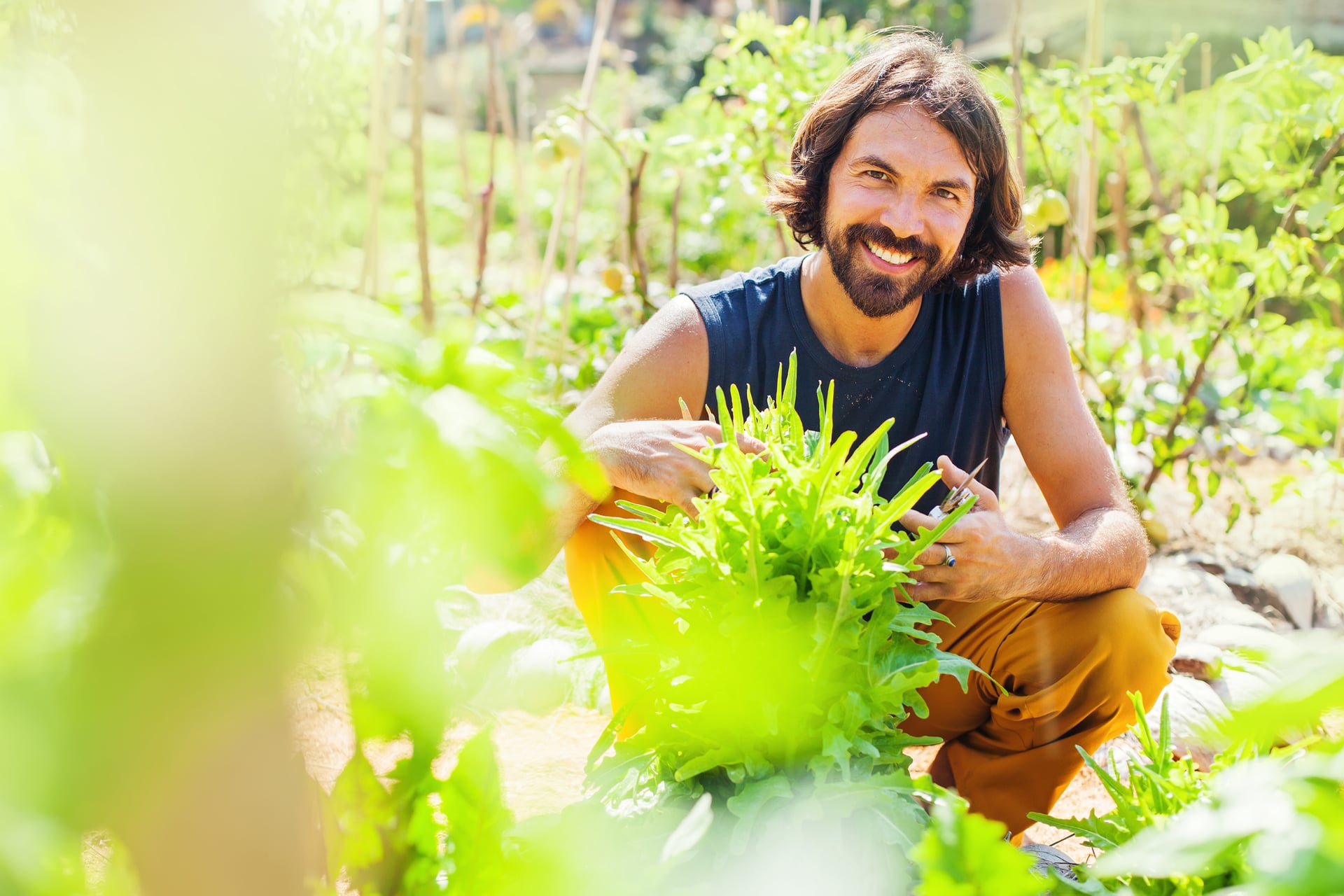
Most people think of sustainable living in terms of energy use, waste reduction, or what they buy at the grocery store. But one of the most practical ways to live more sustainably is right outside your door — or even on your balcony.
Gardening connects everyday habits with the ecological systems that sustain them. And when a garden is designed with sustainability in mind, it doesn't just help the environment — it can also improve your physical health, mental well-being, and even your social life.
Gardens also contribute to healthier local environments. Plants absorb carbon dioxide, filter pollutants, and help moderate urban temperatures — and even a relatively small green space can improve air quality while providing habitat for insects, birds, and other wildlife.
Growing food at home also makes you more aware of the natural systems that sustain daily life. Things like soil quality, water availability, and seasonal cycles become impossible to ignore when you're the one managing them. That awareness tends to lead to more thoughtful resource use overall — and it's exactly where permaculture gardening comes in. Permaculture offers practical frameworks for designing gardens that function more like natural ecosystems, reducing your workload while increasing what your garden can produce.
Permaculture Gardening Mimics Natural Ecosystems
Permaculture gardening is built around a simple idea: instead of fighting nature, work with it. Rather than relying on synthetic fertilizers, pesticides, or constant maintenance, permaculture systems lean into biodiversity, soil health, and resource efficiency.
The goal is to develop a stable ecosystem where plants, soil organisms, and wildlife interact in ways that keep the garden productive over the long term — with less and less input from you.
Core Principles Guide Ecosystem Design
Permaculture design is guided by three core ethics: care for the earth, care for people, and fair distribution of resources. In practice, these shape every decision about what goes where and why.
A permaculture project typically starts with observation. Sunlight exposure, water movement, wind patterns, and existing vegetation all influence how plants grow and interact — and understanding these conditions helps you position crops and structures where they'll actually thrive.
The broader philosophy encourages capturing natural energy flows like sunlight and rainfall, using renewable resources wherever possible, and making sure each element in the garden serves more than one purpose.
Self-Sustaining Systems Reduce External Inputs
One of the biggest draws of permaculture is how much it reduces your reliance on outside inputs. By building natural relationships between plants and soil systems, a well-designed garden can stay productive with far fewer fertilizers, pesticides, or irrigation needs.
Nitrogen-fixing plants like legumes naturally enrich the soil. Ground covers reduce weed growth while holding in moisture. Companion planting pairs species that support each other's growth, creating a more balanced environment overall.
Over time, these relationships stabilize the garden on their own. As biodiversity increases, pest problems tend to decline, and soil fertility gradually improves — which means less intervention from you, season after season.
Build Healthy Soil Through Natural Methods
Healthy soil is the foundation of any sustainable garden. Beneath the surface, complex communities of microorganisms are constantly breaking down organic matter, cycling nutrients, and supporting plant roots. Keeping this living system intact is essential if you want your garden to stay productive over the long haul.
Add Organic Matter and Compost
Organic matter strengthens soil structure while supplying the nutrients plants need to grow — and composting kitchen scraps and garden waste is one of the easiest ways to create these amendments at home.
Compost improves water retention, encourages beneficial microbial activity, and keeps organic waste out of landfills by turning plant material into a genuinely useful soil resource. Applied regularly, it builds fertility gradually and creates the conditions for healthier, more resilient plants.
Practice No-Till Approaches
Traditional tilling breaks apart soil layers and disrupts the microorganisms responsible for nutrient cycling. No-till methods take a different approach: instead of turning the soil each season, you apply compost or mulch to the surface and let natural processes do the rest. Earthworms and microbes gradually work organic matter deeper into the soil profile.
The result is less erosion, better water retention, and healthier underground networks that support long-term plant growth.
Use Cover Crops for Nutrient Cycling
Cover crops offer yet another path to better soil. Plants like clover, rye, and vetch aren't grown for harvest — they're grown to protect and enrich the soil itself.
They prevent erosion, suppress weeds, and add organic material as they decompose. Leguminous varieties go a step further by capturing nitrogen from the atmosphere, boosting soil fertility naturally.
Water Conservation Strategies Maximize Efficiency
Water management is one of the most impactful parts of sustainable garden design. Efficient irrigation strategies reduce your dependence on municipal water supplies while making sure plants get the moisture they need — and with a little thoughtful planning, you can dramatically improve how your garden captures, stores, and distributes water.
Harvest Rainwater for Irrigation
Rainwater harvesting is one of the simplest upgrades you can make. A basic rain barrel connected to your gutter system collects precipitation from your roof and stores it for later use — and because rainwater lacks the chemical additives often found in treated municipal supplies, many plants actually prefer it. It also takes pressure off local water systems during dry spells.
Create Swales for Water Retention
Swales — shallow channels dug along the natural contours of your land — capture rainwater and let it soak gradually into the soil. They slow runoff, direct moisture toward plant roots, and in sloped landscapes, they're especially useful for preventing erosion while keeping more water where it's needed.
Install Drip Irrigation Systems
Drip irrigation delivers water directly to the base of your plants through small emitters, which means far less is lost to evaporation. Combine it with mulch and an automated timer, and you've got a system that maintains consistent moisture levels while using significantly less water than conventional setups.
Biodiversity Creates Garden Resilience
Gardens with a wide variety of plants tend to be more stable and productive over time. That's because biodiversity creates balanced ecosystems where insects, birds, and soil organisms all play supportive roles — and a disruption in one area is less likely to throw the whole system off balance.
Plant Diverse Species for Multiple Functions
Different plants serve different roles in a garden ecosystem — some improve soil fertility, others attract pollinators, and others provide shade or ground cover. Arranging them in layers (trees, shrubs, herbs, and ground covers) mirrors the structure of natural landscapes and allows your garden to make efficient use of both sunlight and space.
Support Pollinators and Wildlife
Pollinators like bees and butterflies are essential for many fruits and vegetables, and native flowering plants are among the most reliable ways to keep them coming back throughout the growing season. Even a small patch dedicated to native species can support important wildlife populations — particularly in urban and suburban environments where habitat is scarce.
Community Gardens Strengthen Local Food Systems
Sustainable gardening doesn't have to be a solo endeavor. Community gardens allow residents to grow food collectively while building stronger social connections — and they're especially valuable in neighborhoods where access to fresh, locally grown produce is otherwise limited.
Shared Resources Reduce Individual Costs
Community gardens often include shared tools, composting systems, and irrigation infrastructure — which means participants can pool resources instead of buying everything individually. Central compost areas, for instance, process organic waste from multiple households and produce soil amendments that benefit every plot in the garden.
Knowledge Exchange Builds Skills
These spaces also tend to become informal learning environments. Experienced gardeners share techniques around soil care, crop selection, and pest management with newcomers — and that exchange of knowledge often ripples outward, strengthening local food networks and encouraging sustainable practices well beyond the garden fence.
Start a Sustainable Garden for Lasting Impact
Beginning a sustainable garden does not require extensive land or specialized training. Container gardens on balconies, patios, or windowsills provide accessible starting points for many households.
Herbs, leafy greens, and compact vegetables often grow successfully in small spaces. As experience grows, gardens can gradually expand to include additional crops and techniques.
Selecting plants suited to local climates and soil conditions increases the likelihood of success. Over time, small improvements—such as composting organic waste or collecting rainwater—build more efficient garden systems.
Sustainable gardening ultimately connects everyday choices with environmental outcomes. Through careful soil management, water conservation, and biodiversity planning, home gardens can become productive ecosystems that support both people and the natural world.
Permaculture Gardening
City: Ruawai
Address: 763 Dunn Rd
Website: https://www.amazon.com/permaculture-gardening-decoded-sustainable-living-ebook/dp/b0fpq4xhdz


Comments
Post a Comment