How to Rodent Proof Your House: Pest Control Pros Reveal Dime-Sized Entry Points
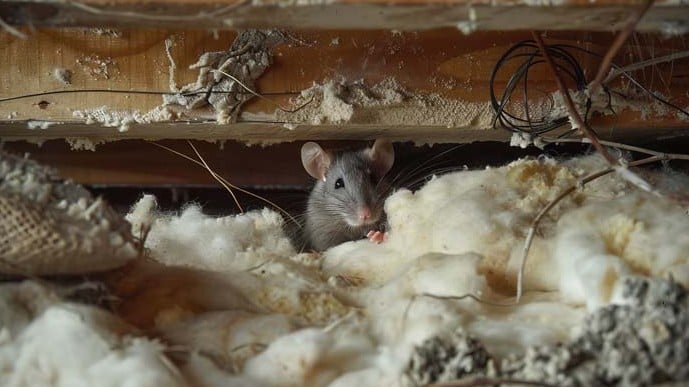
Key Takeaways
- Mice can squeeze through openings as small as 1/4 inch (dime-sized) while rats need holes measuring at least 1/2 inch, making even tiny gaps major security risks for homeowners.
- Rodent damage causes 20-25% of unexplained house fires annually due to electrical wire chewing, creating serious safety hazards beyond just property damage.
- The CDC reports that rodents spread over 35 diseases including deadly Hantavirus Pulmonary Syndrome, putting families and pets at serious health risk.
- Professional rodent exclusion services permanently seal entry points using specialized materials like stainless steel mesh and hardware cloth that rodents can't chew through.
- Strategic sealing of common entry points around pipes, foundations, and roof areas provides long-term protection without ongoing chemical treatments.
Most homeowners underestimate how easily rodents infiltrate their properties - and that's a major problem. Being able to identify these tiny entry points and the serious risks they create helps property owners take proactive steps toward protection.
Mice Enter Through 1/4 Inch Openings - Smaller Than a Dime
The shocking reality about rodent anatomy makes home invasion surprisingly easy for these persistent pests. Mice possess flexible skeletal structures that allow them to compress their bodies and squeeze through any opening their head can fit through - typically just 1/4 inch or 6-7 millimeters in diameter. This opening measures smaller than a standard dime, meaning gaps that seem insignificant to homeowners represent major highways for mouse infiltration.
Rats require larger entry points, needing holes measuring at least 1/2 inch (12-13 millimeters) in diameter, though adult rats can squeeze through quarter-sized gaps measuring 20-25 millimeters. Their cartilage-heavy bone structure enables dramatic body compression, allowing adult rats to navigate spaces that appear impossibly small for their size. Without proper exclusion measures, these natural abilities make traditional pest control methods far less effective than sealing approaches.
Why Rodents Cause 25% of Unexplained House Fires
Beyond property invasion concerns, rodents create life-threatening fire hazards that many homeowners never consider. Industry statistics reveal that rodents cause an estimated 20-25% of house fires with unknown origins annually across the US, translating to thousands of preventable disasters each year.
Electrical Wire Damage Creates Fire Hazards
The biological reason behind this destruction lies in rodent dental anatomy. Rodent teeth grow continuously throughout their lives, requiring constant gnawing to maintain proper length and sharpness. Electrical wiring provides an ideal texture for this natural behavior, but creates catastrophic consequences when damaged insulation exposes live electrical current.
All homes contain electrical systems throughout walls, attics, and basements - all prime rodent territory. A single damaged wire can create sparking, overheating, and eventual ignition of surrounding materials. The problem compounds when multiple wires suffer damage, creating complex electrical faults that traditional safety systems may not detect quickly enough.
Structural Damage From Constant Gnawing
Rodents don't limit their destructive chewing to electrical systems. Wood beams, insulation, plastic pipes, and HVAC ductwork all provide suitable gnawing surfaces. This property damage weakens structural integrity while creating additional fire acceleration paths through compromised insulation and building materials.
The financial impact goes beyond fire damage to include plumbing failures, HVAC system breakdowns, and structural repairs. Insurance claims related to rodent damage often face coverage limitations, leaving property owners responsible for restoration costs.
35 Diseases Spread by Rodents According to CDC
Health risks associated with rodent infestations extend far beyond property damage concerns. The Centers for Disease Control and Prevention documents over 35 diseases that rats and mice can transmit to humans, creating serious public health threats in residential and commercial environments.
Deadly Hantavirus Pulmonary Syndrome
Hantavirus Pulmonary Syndrome represents one of the most dangerous rodent-borne illnesses, affecting lung function and potentially causing death in severe cases. Transmission occurs through multiple pathways: direct contact with rodent urine, droppings, or saliva, and more commonly through inhalation of contaminated dust particles that become airborne during cleaning activities.
The virus can survive in dried rodent waste for periods, making even old infestations potentially dangerous. Early symptoms mimic common flu, leading to delayed diagnosis and treatment. Rural and suburban areas experience higher transmission rates due to increased human-rodent interaction opportunities.
Other serious diseases include Salmonellosis, Leptospirosis, and Rat-bite Fever, each presenting unique symptoms and transmission methods. Food contamination represents a primary concern, as rodents frequently access pantries, storage areas, and food preparation surfaces.
Secondary Pest Infestations
Rodent infestations create cascading pest problems through secondary parasite introduction. Fleas, ticks, and mites that feed on infected rodents can transmit additional diseases to humans and pets. These parasites often survive even after successful rodent elimination, requiring separate treatment protocols.
The interconnected nature of pest ecosystems means that treatment must address both primary rodent problems and secondary pest populations. This complexity shows exactly why professional intervention often proves more effective than DIY approaches.
Common Entry Points Rodents Use to Access Homes
Understanding specific vulnerability areas helps homeowners identify and prioritize sealing efforts. Professional pest control inspections consistently identify recurring entry point patterns across residential properties, enabling targeted prevention strategies.
1. Gaps Around Pipes and Utility Lines
Plumbing and utility line penetrations create ideal entry opportunities because contractors often leave gaps during installation for thermal expansion and accessibility. These openings typically measure larger than necessary, providing ample space for rodent access.
Water pipes entering through foundation walls, gas lines connecting to appliances, and electrical conduits running through exterior walls represent prime targets. Even professional installations may develop gaps over time as building materials settle and expand with weather changes.
2. Foundation and Wall Cracks
Structural settling creates foundation cracks that widen over time, while exterior wall penetrations for vents, outlets, and fixtures provide additional access points. Seasonal temperature fluctuations cause building materials to expand and contract, gradually widening existing cracks and creating new openings.
Basement and crawl space areas require particular attention because they provide direct access to interior spaces while offering ideal nesting environments with minimal human activity.
3. Roof Vents and Chimney Openings
Roof-level entry points often receive less attention during routine maintenance, making them particularly attractive to rodents. Damaged vent screens, loose flashing around chimneys, and gaps where roof materials meet walls provide elevated access routes.
Attic spaces offer nesting opportunities with insulation for warmth, minimal disturbance, and easy access to wall cavities throughout the house. Once established in attic areas, rodent populations can expand rapidly while remaining largely undetected.
4. Garage Door Seals and Window Gaps
Garage doors represent major vulnerability points because bottom seals deteriorate with regular use and weather exposure. Mice and rats have been known to chew the ends of the garage door rubber bottom seal to gain entry. This seal needs to be inspected on a regular basis and be replaced if needed. Inspection can be done by inspecting the sides and bottom of the door while inside with the garage light off during the day. This makes it a lot easier to see light penetration revealing entry points. Even small gaps along garage door edges provide sufficient space for mouse entry, while attached garages offer direct access to interior living spaces.
Window installations often include settling gaps, damaged caulking, or worn weather stripping that creates openings. Ground-level windows face particular risk from burrowing rodents that approach from below grade level.
Professional Exclusion Process
Rodent exclusion requires systematic inspection, strategic sealing, and ongoing monitoring to ensure long-term effectiveness. Professional services provide materials and expertise that DIY approaches typically can't match, particularly for complex structural issues or infestations.
Property Inspection
Professional inspections identify vulnerabilities that property owners usually overlook, using specialized knowledge of rodent behavior patterns and seasonal activity cycles. Technicians examine both obvious entry points and subtle structural weaknesses that may develop into future problems.
The inspection process includes interior and exterior assessments, checking basement and attic areas, evaluating landscaping factors that attract rodents, and identifying existing activity signs. This approach ensures that sealing efforts address all potential access routes rather than creating temporary barriers.
Sealing All Entry Points Permanently
Permanent sealing requires appropriate material selection and application techniques for each specific opening type. Different locations demand different approaches based on weather exposure, structural movement, and accessibility for future maintenance.
The sealing process follows systematic priorities, addressing the most critical entry points first while ensuring coverage. Professional techniques include proper surface preparation, material compatibility considerations, and quality assurance testing to verify effectiveness.
Contact Specialists For Professional Rodent Proofing Today
Protecting properties from rodent infiltration calls for professional materials and systematic application methods that address both immediate concerns and long-term prevention. The combination of health risks, fire hazards, and property damage potential makes exclusion services a critical investment in property protection and family safety.
Early intervention provides the most cost-effective protection, preventing established infestations that require remediation efforts. A professional assessment identifies vulnerable areas before they become active entry points - enabling proactive protection rather than reactive pest control.
ProActive Pest Control
City: North Brunswick Township
Address: 377 Wood Ave.
Website: https://proactivepestcontrol.com/


Comments
Post a Comment