How to Dispose of Dog Poop Properly: Kansas Expert Shares Safe Methods
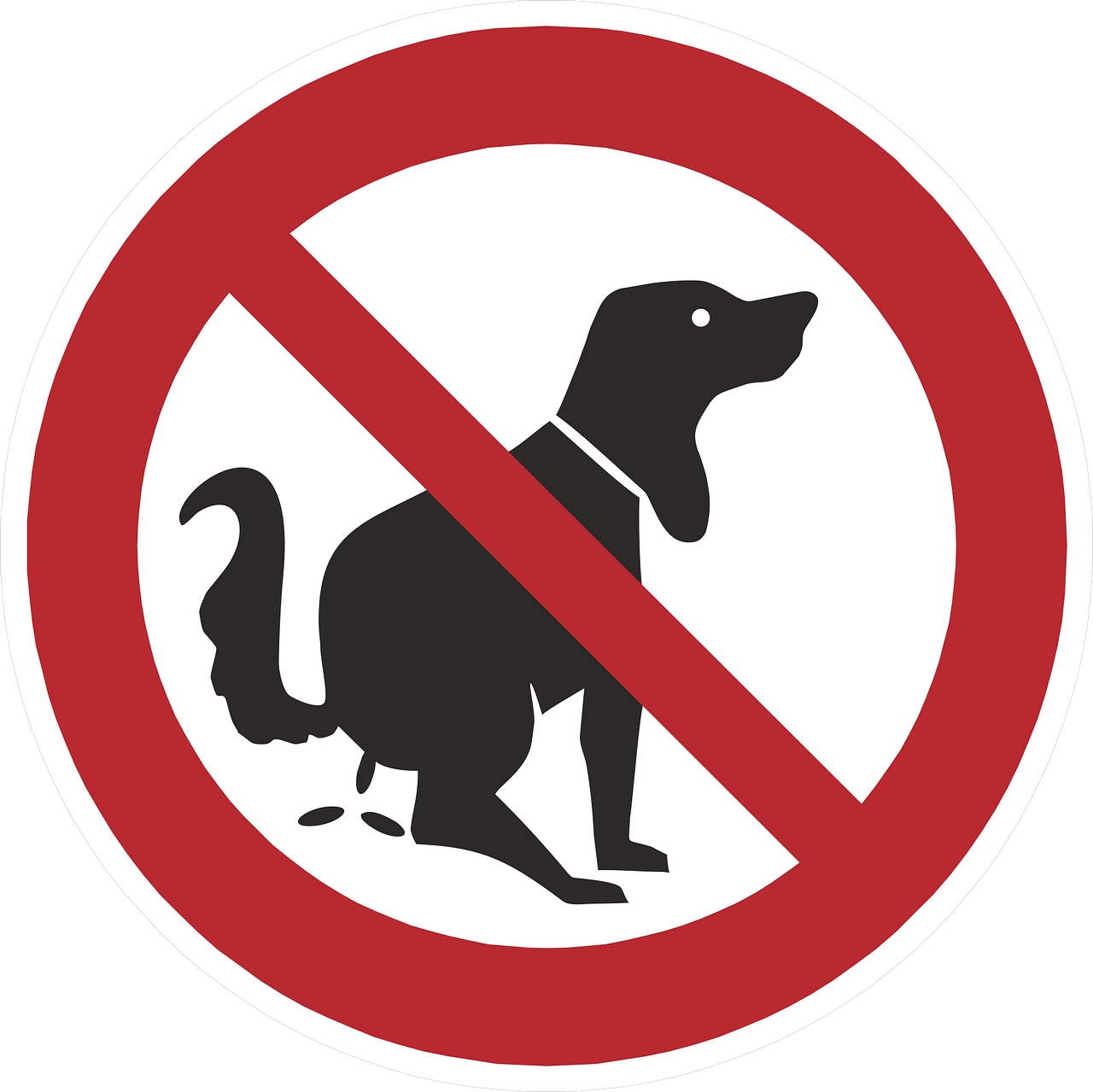
Let's be honest — nobody's favorite part of owning a dog is dealing with what they leave behind. But here's the thing: ignoring it (or handling it the wrong way) can cause more problems than you'd think. According to the EPA, dog waste left on the ground carries bacteria and parasites that wash into storm drains when it rains, eventually reaching local waterways. It's not just a backyard nuisance — it's an environmental issue that affects entire communities. Pet waste professionals at Poo Squad, a Kansas-based removal service, say the most common problem they encounter is simply that people don't realize how much damage a little neglect can do.
Why It's More Than Just a Mess
One of the most persistent myths about dog poop is that it works as a natural fertilizer. It doesn't. Unlike manure from cows or horses (which are herbivores), dog waste contains harmful bacteria like E. coli and Salmonella, along with parasites that can stick around in soil for years. When it piles up in yards, parks, or shared green spaces, those pathogens spread through runoff and contaminated surfaces.
In neighborhoods with a lot of dogs, the problem adds up fast. Beyond the obvious smell, accumulated waste creates unsanitary conditions and can discourage people from using public parks and outdoor spaces. Keeping up with disposal isn't just courteous — it's a genuine public health habit.
The Mistakes Most Pet Owners Make
The biggest one? Just leaving it. A lot of people assume dog waste will break down on its own, but it doesn't — not safely, anyway. It can sit in the soil and keep introducing pathogens for far longer than you'd expect.
The other common issue is the "bag and abandon" approach. You've probably seen it: a tied-up poop bag sitting on the side of a trail or tossed near a bush. Those bags can end up in stormwater systems or natural areas and contribute to the same pollution problem they were supposed to prevent. If you're going to bag it, make sure it actually makes it to a trash bin.
So What's the Right Way to Do It?
The simplest and most reliable method is the classic bag-and-bin approach: pick it up with a sealed bag and toss it in a designated trash can. Municipal waste systems are built to handle organic material, so this works just fine for most households.
If your local plumbing allows it, flushing is actually one of the cleanest options — the EPA even recommends it. Just make sure you're only flushing the waste itself, not the bag, and that you're connected to a municipal sewage system rather than a septic tank.
For homeowners who want a more hands-off solution, pet waste digesters are worth a look. These small in-ground systems use enzymes to break waste down underground, functioning like a mini septic tank specifically for dog poop. Once installed, they're relatively low-maintenance.
And while composting sounds like the eco-friendly choice, it comes with a big caveat: dog waste should never go into a regular compost pile, especially one used for food gardens. You'll need a dedicated pet waste composting setup to make sure pathogens are properly broken down.
Why Consistency Matters More Than Method
No matter which approach you choose, the real key is staying on top of it. Regular cleanup limits bacterial buildup and keeps your yard safe for both pets and people — something that matters even more in households with multiple dogs or properties where pets spend a lot of time outside.
This also applies to shared spaces. Apartment communities, pet-friendly housing developments, and HOAs all benefit from routine waste management, both for odor control and for keeping common areas usable.
More homeowners and property managers are turning to scheduled cleanup services to stay on top of sanitation, and companies like Poo Squad have built their model around making the process as hands-off as possible. The company sends dog poop report cards after every visit, flagging any changes in appearance that could signal a health issue — a small detail that turns a routine cleanup into something genuinely useful for pet owners.
Building Better Habits for Pet-Friendly Communities
At the end of the day, responsible dog waste disposal comes down to consistency. Whether you're bagging and binning, flushing, using a digester, or letting a professional service handle the job, keeping up with it regularly is what makes the difference.
As more communities expand pet-friendly spaces and amenities, the stakes keep going up. A few small changes in your daily routine — carrying an extra bag, scooping the yard before the weekend, or even setting up a weekly service — go a long way toward cleaner neighborhoods and healthier outdoor spaces for everyone.
Poo Squad
City: Manhattan
Address: 612 Pillsbury Drive #b
Website: https://www.poosquad.com/
Phone: +1 785 292 9225
Email: info@thepoosquad.com


Comments
Post a Comment