How to Declutter A Garage: Tips, Safety & Benefits Of Professional Junk Removal
Key Takeaways
- Non-hazardous garage items like paper products, textiles, and electronics create significant fire hazards when improperly stored, requiring professional assessment and removal for safety.
- Heavy objects on high shelves and cluttered walkways lead to serious injury risks from falling items and trip-and-fall accidents in residential garages.
- Moisture problems in cluttered garages promote dangerous mold growth and pest infestations that compromise indoor air quality and structural integrity.
- Professional junk removal services distinguish between safe-to-handle items and hazardous materials requiring special disposal protocols, ensuring compliance with local regulations.
- DIY garage cleanouts often overlook hidden safety risks that trained professionals can identify and address systematically.
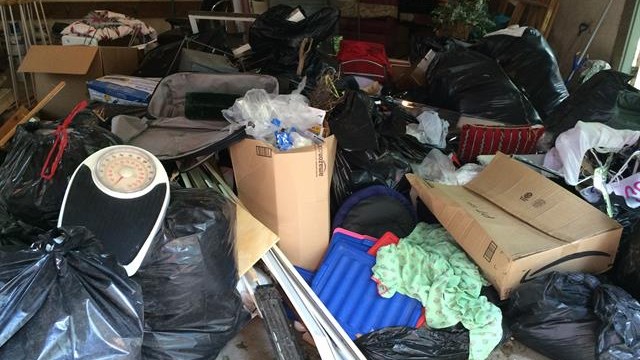
Garages frequently (and quickly) go from functional storage spaces into hazardous environments filled with seemingly innocent items that create serious safety risks. While homeowners often focus on obviously dangerous materials, many everyday storage items pose threats that require professional evaluation and removal to maintain a safe living environment.
Common Non-Hazardous Items Creating Safety Risks in Your Garage
Most garage safety hazards stem from common household items that appear harmless but create dangerous conditions when accumulated or improperly stored. Paper products like old newspapers and magazines, cardboard boxes, and stored textiles act as fire accelerants that can rapidly spread flames throughout a structure. These materials often accumulate over years, creating dense pockets of combustible material near heat sources like water heaters or electrical panels.
Electronics stored in garage environments face temperature extremes and humidity fluctuations that can cause internal damage, leading to short circuits and potential fire risks. Old televisions, computers, and audio equipment contain components that deteriorate in uncontrolled climates, creating electrical hazards that homeowners rarely consider until problems arise.
Wooden furniture and storage items also contribute to fire risks while simultaneously creating physical hazards through unstable stacking and poor organization. Many professionals specialize in identifying and safely removing these problematic items, helping homeowners recognize risks they might overlook during casual cleanouts.
Fire Hazards Hidden Among Everyday Storage Items
1. Paper Products and Textiles as Fire Accelerants
Paper-based materials stored in garages create some of the most dangerous fire conditions in residential settings. Old newspapers, magazines, books, and cardboard boxes provide abundant fuel that ignites quickly and burns intensely. Fires involving paper-based materials can release toxic smoke and soot, posing health risks beyond the immediate fire danger.
Textiles including old clothing, blankets, and upholstered furniture stored in garages pose similar risks. Cotton, wool, and synthetic fabrics can ignite from small sparks and spread flames rapidly across stored items. Many homeowners unknowingly create fire traps by stacking these materials near electrical outlets, extension cords, or appliances that generate heat during normal operation.
2. Improper Storage of Flammable Materials
While homeowners typically recognize gasoline and paint thinners as fire hazards, many flammable materials hide in plain sight among garage contents. Aerosol cans, cleaning products, and automotive fluids create explosive risks when stored near heat sources or in direct sunlight. Temperature fluctuations common in garage environments can cause containers to leak or rupture, creating vapor accumulations that ignite easily.
3. Electronics Vulnerable to Heat Damage
Electronic devices stored in garage environments suffer component degradation that creates fire hazards over time. Circuit boards, wiring, and batteries deteriorate when exposed to temperature extremes, humidity, and dust common in garage settings. Damaged electronics can develop short circuits that generate heat and sparks, potentially igniting nearby combustible materials.
Old televisions and computer monitors containing cathode ray tubes require special handling and disposal procedures due to their hazardous components, making professional junk removal necessary for safety compliance.
Physical Safety Threats from Poor Organization
Heavy Objects on High Shelves
Improperly secured heavy items on garage shelving systems create serious injury risks from falling objects. Paint cans, tool boxes, appliances, and storage containers can shift over time due to vibrations, leading to instability. When these items fall from significant heights, they can cause severe injuries or damage to vehicles and property below.
Many garage shelving systems lack adequate weight capacity for the items stored on them, leading to gradual structural failure that homeowners don't notice until catastrophic collapse occurs. Professional assessment can identify overloaded shelving and improperly secured items before accidents happen.
Trip and Fall Hazards from Clutter
Cluttered garage floors create navigation hazards that increase fall risks, particularly for elderly residents. Boxes, tools, extension cords, and scattered items force people to step around obstacles in poorly lit environments. These conditions become especially dangerous when homeowners rush through garages or carry items that obstruct their vision.
Liquid spills from stored automotive fluids, cleaning products, or melting items create slippery surfaces that compound fall risks. These spills often go unnoticed in cluttered environments until someone slips and sustains injury.
Moisture-Related Problems and Pest Infestations
1. Mold and Mildew Growth
Garage environments with poor ventilation and temperature control create ideal conditions for mold and mildew growth on stored materials. Paper products, textiles, and wooden items absorb moisture from humidity fluctuations, providing nutrients for fungal growth that can spread throughout storage areas and into living spaces.
Mold contamination poses serious health risks, particularly for individuals with respiratory sensitivities or compromised immune systems. Once established, mold colonies release spores that contaminate air quality and require professional remediation to eliminate safely.
2. Pest Attraction from Stored Materials
Accumulated storage materials provide shelter and nesting opportunities for rodents, insects, and other pests. Cardboard boxes, paper products, and textiles provide ideal nesting materials, while food residues on containers attract various pest species. These infestations can spread into living areas and create health hazards through disease transmission and allergen production.
Pest damage to stored items often goes unnoticed until infestations become severe, resulting in contaminated belongings that require disposal rather than relocation. Early intervention through professional cleanout services can prevent pest establishment and protect valuable items from damage.
What Professional Junk Removal Services Handle vs. What They Don't
Non-Hazardous Items Can Be Removed
Professional junk removal services can safely handle nearly all common garage contents including furniture, appliances, electronics, paper products, textiles, and general household items. Professional junk removal companies have the equipment, training, and disposal networks necessary to manage bulky items like refrigerators, hot tubs, and heavy furniture that exceed homeowner capabilities.
Construction debris, yard waste, and general clutter also fall within professional service capabilities. Teams can efficiently sort materials for recycling, donation, or proper disposal while ensuring safe handling of items that might pose injury risks to untrained individuals.
Hazardous Materials Requiring Special Disposal
Hazardous materials including paint, pesticides, chemicals, propane tanks, batteries, and automotive fluids require specialized disposal through designated facilities rather than junk removal services. In some counties, household hazardous waste programs provide free disposal services for these materials, but it's up to homeowners to transport them to collection sites while following specific protocols.
Professional junk removal teams can also identify hazardous materials during cleanouts and provide guidance on proper disposal procedures. This expertise helps homeowners avoid illegal dumping and ensures compliance with environmental regulations that protect community health and safety.
Why DIY Garage Cleanouts Often Fall Short of Safety Goals
Homeowner-led garage cleanouts frequently overlook critical safety hazards due to lack of experience in identifying risks and proper handling procedures. Without professional training, individuals may unknowingly create more dangerous conditions by consolidating flammable materials, overloading disposal containers, or improperly handling electrical components.
Physical limitations also restrict DIY cleanout effectiveness, particularly when dealing with heavy items, overhead storage, or confined spaces. Attempting to move appliances, furniture, or accumulated storage without proper equipment and techniques increases injury risks and often results in incomplete cleanouts that leave hazards in place. Some injuries can take several weeks or longer to recover so the trade-off and risks are not worth it for most people.
Time constraints and emotional attachments to stored items can compromise decision-making during DIY cleanouts. Homeowners may postpone difficult decisions about disposal, leading to continued accumulation rather than effective hazard elimination.
Professional Garage Cleanout Creates Safer, More Functional Space
Professional garage cleanout services provide thorough risk assessment and systematic removal that addresses both obvious and hidden safety hazards. Trained teams can quickly identify fire risks, structural problems, and environmental hazards while efficiently removing problematic materials through appropriate disposal channels.
The systematic approach used by professional services ensures complete cleanouts rather than partial efforts that leave residual risks. Teams work methodically through spaces, addressing safety hazards in priority order while maximizing recycling and donation opportunities to minimize environmental impact.
Professional cleanouts also provide homeowners with fresh perspectives on space organization and safety maintenance. Teams can offer recommendations for preventing future hazard accumulation while creating functional storage solutions that maintain accessibility and safety standards.
The resulting clean, organized garage space reduces ongoing safety risks while improving property value and functionality. Professional garage cleanout services create lasting solutions rather than temporary improvements that deteriorate over time without proper maintenance and organization systems.
Junk King Peninsula
City: Palo Alto
Address: 407 California Ave
Website: https://www.junk-king.com/locations/sancarlos
Phone: +1-650-667-8917


Comments
Post a Comment