How Quickly Should Water Damage Be Treated In House: Expert Shares Advice
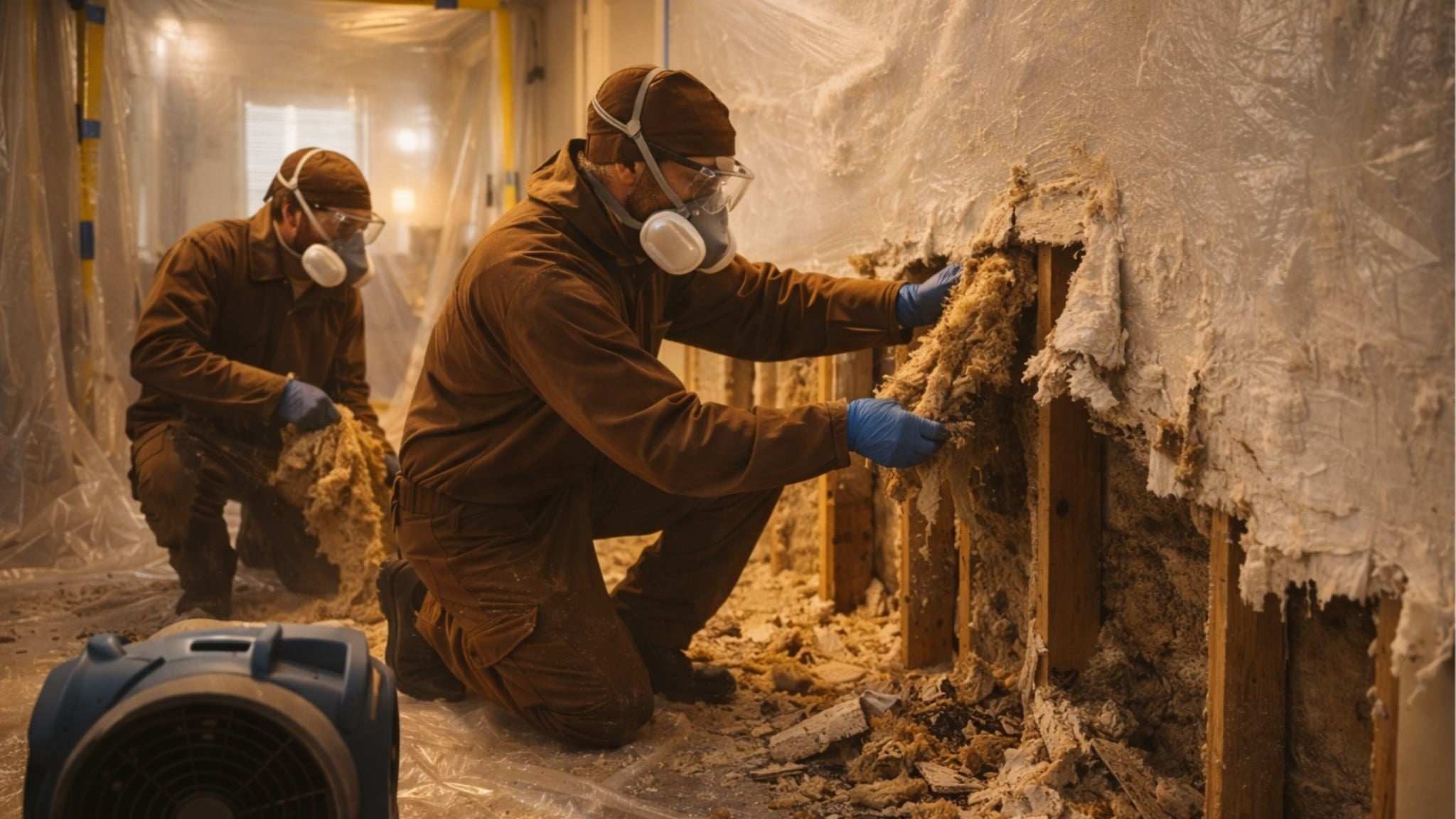
Water damage ranks among the most financially devastating problems a homeowner can face, with the Insurance Information Institute pegging the average residential claim at over $11,000 — and that figure only accounts for damage that gets reported. According to the association, water damage is one of the most frequently filed home insurance claims in the country, yet most of the destruction is not caused by the initial flood or leak itself, but by what happens in the hours and days after.
Experts say that for homeowners navigating the aftermath of a burst pipe, storm intrusion, or appliance failure, professional restoration services represent the clearest path to protecting both the structure and the long-term value of their home. The gap between what professional restoration delivers and what most homeowners expect is wider than it appears — and understanding that gap could save thousands of dollars in avoidable repairs.
Why Water Damage Restoration Matters
Water does not stay where it lands, and that single fact is what makes even a minor intrusion so dangerous. Within minutes of a leak, flood, or pipe failure, moisture begins moving through flooring, into wall cavities, and deep into structural framing — well beyond what any visual inspection can detect. What looks like surface-level damage is often a sign of a much larger problem already developing out of sight.
Left unaddressed, that hidden moisture creates conditions for mold to establish itself within 24 to 48 hours, weakens wooden structural components, and puts electrical systems at risk. The longer the response is delayed, the more those secondary effects compound — and the more expensive the repair becomes. A water intrusion that gets professional attention within the first few hours is a fundamentally different problem than one that sits for two or three days.
Restoration is not simply about removing standing water — it is about preventing the chain of damage that follows. Professional intervention stops that chain early, protecting the home's structure, air quality, and long-term value before the situation has a chance to escalate beyond what repairs can reasonably address.
Benefits of Professional Water Damage Restoration
Rapid Response That Limits the Damage
Time is the most critical factor in any water damage situation, and professional restoration teams are built around that reality. Certified companies offer 24/7 emergency response, arriving with the equipment and training needed to begin mitigation immediately — cutting off the damage at its earliest and most manageable stage.
Advanced Equipment That Reaches Hidden Moisture
Industrial air movers, high-capacity dehumidifiers, infrared cameras, and moisture meters give professional teams the ability to detect and dry moisture in places no household tool can reach. This technology is what separates a thorough restoration from a surface-level cleanup that leaves hidden damage behind.
Mold Prevention Built Into the Process
Because mold can begin growing within 24 to 48 hours of a water event, professional restoration includes active mold prevention as a core part of the drying and sanitization process — not as an afterthought. Certified technicians apply antimicrobial treatments and monitor moisture levels until materials are confirmed dry, reducing the risk of mold taking hold.
Proper Classification and Treatment of Water Type
Not all water damage carries the same risk, and professional restorers are trained to identify the difference. Clean water from a burst supply line requires a different treatment protocol than gray water from an appliance overflow or black water from a sewage backup — and applying the wrong approach can worsen health risks significantly.
Documentation That Supports Insurance Claims
Professional restoration teams provide detailed records of moisture readings, damage assessments, and completed work — all of which insurers require to process claims accurately. Without that documentation, homeowners risk underpayment or partial denial of otherwise valid claims.
Structural Drying That Protects the Home Long-Term
Beyond water removal, professional restoration monitors and treats structural materials throughout the drying process, preventing the warping, rot, and foundation issues that develop when moisture is not fully eliminated from within floors, walls, and framing.
Risks of DIY Restoration
Incomplete Drying Leads to Hidden Mold
Household fans and mops address surface moisture but leave water trapped inside walls, flooring, and insulation — creating the warm, damp conditions mold needs to grow undetected for weeks before symptoms or structural signs appear.
Wrong Equipment Prolongs the Damage
Consumer-grade equipment does not generate the airflow or dehumidification capacity needed to dry a structure thoroughly, which means moisture lingers far longer than it should and continues damaging materials throughout the delay.
Misidentifying Water Type Creates Health Risks
Without professional training, homeowners often cannot distinguish between clean, gray, and black water — and treating contaminated water without proper protective equipment or sanitization protocols puts occupants at serious health risk.
Gaps in Documentation Hurt Insurance Claims
DIY cleanup rarely produces the moisture readings, photographs, and written assessments that insurers require, leaving homeowners without the evidence needed to support a full and accurate claim.
Effects of Water Damage
Unaddressed or improperly treated water damage can affect nearly every part of a home's structure and livability, including:
- Mold and mildew growth spreading through walls, insulation, and wood framing within 24 to 48 hours
- Warping, swelling, and rotting of wooden components including floor joists, beams, and subfloor panels
- Foundation cracking caused by water infiltration and soil shifting beneath the structure
- Electrical hazards when moisture reaches wiring, outlets, or junction boxes inside walls
- Sagging ceilings, uneven floors, and misaligned doors or windows as structural integrity weakens
- Deterioration of drywall, insulation, and other building materials that cannot be effectively dried once fully saturated
- Significant reduction in property value, particularly when past water damage is identified during inspections
Types of Water Damage and Classifications
Understanding what type of water caused the damage is essential to treating it correctly — and safely.
Category 1 — Clean Water
This is water that originates from a sanitary source, such as a broken supply line or a malfunctioning appliance. While it poses the lowest immediate health risk, clean water can deteriorate into a higher contamination category within 48 hours if left untreated, making prompt action equally important.
Category 2 — Gray Water
Gray water contains biological or chemical contaminants at levels that can cause illness or discomfort on contact. Common sources include washing machine overflows, dishwasher discharge, and sump pump failures. This category requires protective handling and proper sanitization of all affected areas.
Category 3 — Black Water
Black water is the most hazardous classification, involving grossly contaminated water that carries serious health risks. Sources include sewage backups, outdoor flooding, and any standing water that has developed significant microbial growth. Remediation of black water damage requires certified professionals with appropriate protective equipment and EPA-approved treatment agents.
Professional Water Damage Restoration
Water damage does not resolve on its own, and delayed action consistently turns manageable situations into costly structural problems. The most important thing a homeowner can do after any water intrusion — regardless of how minor it appears — is to get a professional assessment quickly, before hidden moisture has the chance to create secondary damage that far exceeds the original event in both scope and cost.
For homeowners who want to understand exactly what certified restoration involves and what to expect from the process, water damage restoration professionals provide the kind of grounded, practical guidance that helps homeowners make informed decisions when it matters most.
PNE Construction LLC
City: Pittsburgh
Address: 2000 Cliff Mine Rd
Website: https://www.pneconstructionllc.com
Phone: +1 888 827 6326
Email: hello@pnepros.com


Comments
Post a Comment