How Modern Advert Creation Tools Use AI Clone Features With Ready-Made Templates
Key Takeaways
- AI-powered ad template editing transforms creative production, reducing time from weeks to minutes while maintaining professional quality.
- Clone and vary features generate dozens of ad variations from a single high-performing image, testing different colors, avatars, and formats automatically.
- Ready-made templates based on millions of converting ads provide data-driven starting points for campaigns.
- Marketing specialists observe significant ROAS improvements when using AI tools for high-volume creative testing, with some brands achieving 2-5x increases.
- Integration with design platforms enables seamless customization without requiring advanced design skills.
Marketing teams face mounting pressure to produce winning ads at scale while maintaining profitability. Traditional creative workflows often bottleneck campaigns, forcing teams to choose between speed and quality. Modern AI-powered template editing tools are changing this dynamic entirely.
AI-Powered Template Editing Transforms Ad Creation Speed
Creative production bottlenecks plague marketing teams across industries. What once required days of back-and-forth with designers now happens in minutes. AI-powered template editing eliminates the traditional friction between concept and execution, enabling marketers to iterate rapidly without compromising visual quality.
The technology behind these tools analyzes millions of successful ad campaigns to understand what visual elements drive conversions. This data-driven approach ensures every template variation maintains proven performance characteristics while allowing for brand customization.
Machine learning algorithms identify key visual components that resonate with target audiences. These insights inform automatic generation of color schemes, typography choices, and layout adjustments. The result? Professional-grade creative output that matches brand guidelines while incorporating conversion-optimized design principles.
Clone Ads: Turn Winners Into Fresh Variations
The clone and vary methodology changes how marketing teams approach creative testing. Instead of starting from scratch with each new ad, teams can use proven performers as templates for unlimited variations.
1. Upload Any High-Performing Ad Image
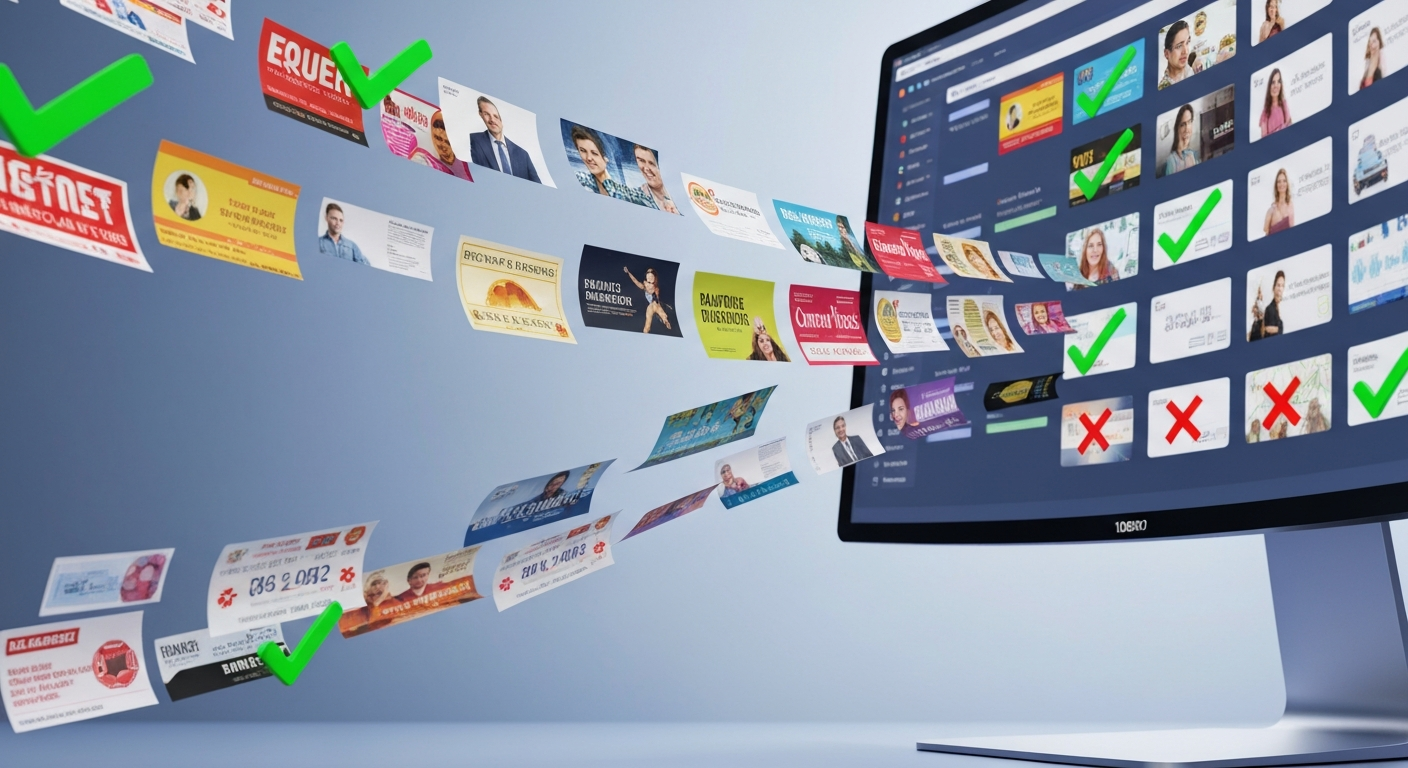
The process begins with identifying successful ad creatives from competitors or previous campaigns. Teams upload these reference images to AI platforms that analyze visual elements, composition, and design patterns. The technology extracts key components like color palettes, text placement, and product positioning to understand what makes the ad effective.
2. Generate Dozens of Style and Color Variations
AI engines produce multiple versions of the original ad, testing different visual approaches while maintaining core conversion elements. Color psychology drives automatic palette adjustments, while typography variations ensure readability across demographics. Each generated version preserves the structural integrity that made the original successful.
3. Test New Avatars and Format Options
Avatar testing is seamless with AI-powered variation tools. The technology can swap in different models, age groups, or demographics while maintaining natural product positioning. Format adaptations automatically resize content for various platform requirements, from Instagram stories to Facebook feed placements.
Ready-Made Templates Informed by Top-Performing Ads
Data-driven template creation removes guesswork from ad design. These templates incorporate visual elements from millions of converting campaigns, providing marketers with statistically-proven starting points for their creative development.
Access Static Ad Templates from Millions of Converting Ads
Template libraries built from extensive ad performance data offer unprecedented insight into what works. These collections analyze conversion patterns across industries, identifying design elements that consistently drive results. Marketers gain access to visual frameworks that have already proven successful in similar campaigns.
Performance data influences every aspect of template design, from color choices to call-to-action placement. This evidence-based approach significantly improves campaign outcomes compared to traditional design methods that rely on aesthetic preferences alone.
Customize Templates in Canva Integration
Integration with popular design platforms eliminates workflow friction. Teams can access AI-generated templates directly within their preferred design environment, enabling immediate customization without switching between multiple tools. This integration maintains creative momentum while ensuring brand consistency across all materials.
AI Image Variations Drive Higher ROAS
Visual testing at scale is now possible through automated variation generation. Marketing teams can test creative directions that would be cost-prohibitive using traditional design methods, leading to breakthrough performance improvements.
Generate Scroll-Stopping Visuals in Seconds
Attention-grabbing imagery determines ad success in crowded social media feeds. AI tools analyze engagement patterns to identify visual elements that capture audience attention. Generated variations incorporate these proven attention-grabbing techniques while maintaining brand authenticity.
The speed of generation enables rapid testing of multiple visual approaches. Teams can test bold color combinations, unexpected compositions, or trending design styles without significant time investment. This experimentation often reveals high-performing creative angles that wouldn't emerge through traditional design processes.
Test Multiple Creative Angles Simultaneously
Parallel testing is a lot more manageable when AI handles variation production. Multiple creative concepts can run simultaneously, generating performance data that informs future campaign strategies. This testing approach eliminates single-point-of-failure scenarios where campaigns depend on one creative direction.
Scale Creative Production Without Design Skills
Democratization of design capabilities empowers entire marketing teams to contribute to creative production. Non-designers can generate professional-quality variations using AI tools, reducing bottlenecks that typically limit creative output. This scalability can be especially valuable for small teams managing multiple campaigns.
High-Volume Testing Made Simple
Creative testing complexity decreases dramatically when AI handles variation generation and performance prediction. Teams can test dozens of concepts simultaneously without overwhelming their review processes or campaign management workflows.
1. Create Dozens of Ad Variations Instantly
Batch generation capabilities enable testing strategies that were previously impractical. AI platforms can produce 50+ variations from a single source image, each optimized for different audience segments or platform requirements. This volume enables statistical significance in testing results while reducing time-to-market for winning creatives.
2. Predict Performance Before Launch
Predictive algorithms analyze visual elements to forecast ad performance before campaigns go live. These predictions help teams prioritize testing budgets on variations most likely to succeed. Performance prediction reduces wasted spend on low-probability creatives while identifying hidden winners.
3. Cut Feedback Cycles from Weeks to Minutes
Traditional creative approval processes often extend campaign launch timelines unnecessarily. AI-powered variation generation enables rapid iteration during stakeholder review, addressing feedback through immediate visual adjustments rather than lengthy revision cycles. This responsiveness accelerates campaign launches while maintaining creative quality standards.
Real Results: DTC Brands Achieve Significant ROAS Improvements
Case study data demonstrates significant performance improvements when brands implement AI-powered creative testing. Some direct-to-consumer companies achieve ROAS improvements of 200-300% after adopting these tools for their creative workflows.
One documented case shows a DTC brand generating over 20 ad creatives in a single week using AI tools, resulting in a 3x ROAS increase. This dramatic improvement stemmed from the ability to test numerous creative angles simultaneously, identifying high-performing combinations that manual processes would miss.
The scalability factor proves vital for sustained growth. Brands can maintain creative freshness across extended campaign periods, preventing ad fatigue while continuously optimizing performance. This sustained testing capability differentiates successful scaling efforts from those that plateau due to creative limitations.
Profitable Ad Scaling for eCommerce Teams
Modern marketing teams require tools that eliminate creative bottlenecks while maintaining campaign profitability. The integration of AI-powered template editing, cloning capabilities, and variation generation creates a solution for scalable ad production.
Success metrics consistently show improved ROAS when teams adopt these integrated approaches to creative testing. The combination of data-driven templates, automated variation generation, and performance prediction creates competitive advantages that compound over time.
GetHookd LLC
City: Miami
Address: 40 SW 13th street
Website: https://www.gethookd.ai/


Comments
Post a Comment