Hiring Industrial Painters in 2026: New England Pro Shares Factors to Consider
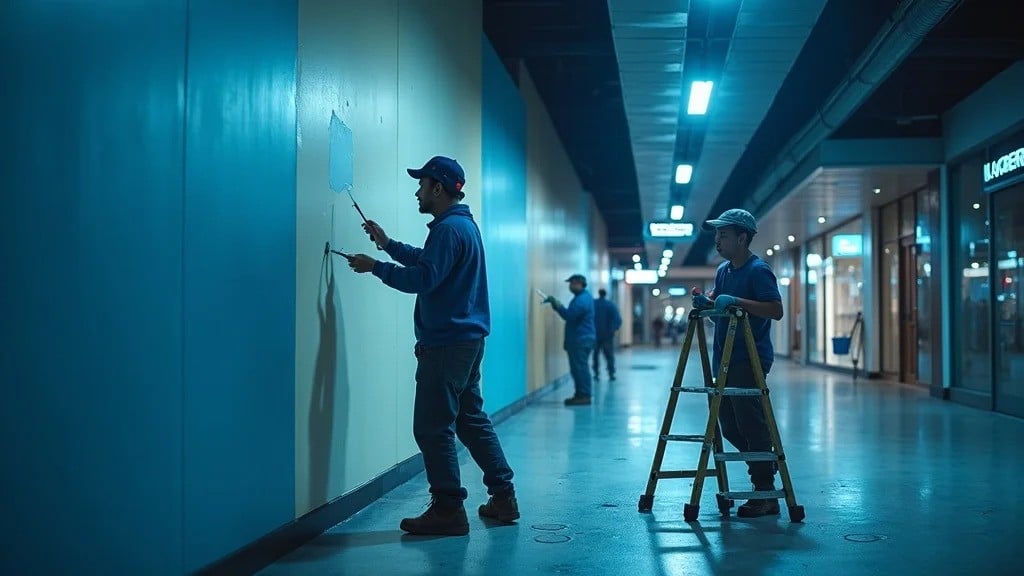
Most facility managers think hiring an industrial painter is just about getting a few quotes and choosing the lowest number. That single assumption leads to failed coatings, costly reworks, and project delays that stretch budgets well beyond what anyone planned or accounted for.
A New England-based expert explains that Industrial painting is a completely different discipline from residential or commercial work, and the gap between a qualified contractor and an unqualified one shows up quickly on your facility's surfaces and on your bottom line. Skilled painting professionals know that what happens before the first coat goes on matters just as much as the coating itself. Here's what actually separates a good hire from a costly mistake.
Why Industrial Painting Is a Different Game Entirely
Commercial painters focus on appearance. Industrial painters focus on protection, and those are two very different goals.
Surfaces in manufacturing plants, warehouses, and industrial facilities are exposed to chemicals, heavy moisture, constant physical wear, and temperature swings that would destroy a standard paint job within months. Because of that, the coatings used in industrial settings are engineered for performance, not just aesthetics. Choosing a contractor without that specific knowledge means getting a product that looks fine at first but fails well before it should, leaving you with the original bill plus the cost of fixing the damage.
The Factors That Actually Matter When You're Hiring
Does Their Experience Match Your Specific Project?
Not all industrial painting experience is equal, and this distinction trips up many facility managers. A contractor who regularly works on bridges operates very differently from one who specializes in manufacturing facilities or power plants. Before anything else, ask about projects that are similar to yours in surface type, environment, and scale.
References from past clients are worth more than any portfolio photo. A real conversation with a previous client tells you whether the contractor showed up on schedule, communicated clearly, handled surprises professionally, and delivered results that held up over time.
Licensing, Insurance, and Certifications
Skipping this step is one of the most common and expensive mistakes facility managers make. A valid license confirms the contractor meets the legal requirements in your area. Insurance protects you from liability if something goes wrong on your job site, and something always can.
Beyond the basics, industry certifications signal a contractor's commitment to quality and safety standards that exceed legal requirements. Key credentials worth asking about include:
- AMPP certifications for coating inspection and surface preparation
- A current and verifiable Experience Modification Rate (EMR)
- Documented compliance with environmental and safety regulations specific to your industry
Safety Is a Reflection of How They Operate
A contractor's safety record reveals more about their professionalism than almost anything else. Ask for their EMR rating over the last three to five years and take it seriously. A low EMR means fewer workplace incidents, which also tends to mean a team that follows procedures, respects timelines, and causes fewer disruptions to your facility during the project.
Surface Prep Is Where Most Coatings Actually Fail
Here's something many facility managers don't realize until it's too late: even the best coating fails on a poorly prepared surface. Rust, old coatings, contamination, and surface irregularities all prevent proper adhesion, and without adhesion, the coating peels, blisters, or cracks long before the end of its expected lifespan.
Ask every contractor you consider how they handle surface preparation for your specific substrate, whether that's steel, concrete, or brick. A qualified contractor gives you a specific, methodical answer. A vague one is a warning sign.
Matching the Right Coating to the Right Environment
Coating selection is a technical decision, not a default one, and the difference matters. Surfaces exposed to chemicals, heavy machinery, standing water, or extreme outdoor conditions, including some areas with winters, require products specifically designed for those demands. Contractors who offer industrial coating solutions across a range of surface types and environments bring the technical depth needed to make that call correctly, rather than applying a one-size-fits-all product and hoping it holds.
A knowledgeable contractor explains their product recommendations clearly and ties those choices back to the conditions your facility actually faces. If they can't do that, look elsewhere.
Timeline Management and Communication
Delays in industrial painting don't just cause inconvenience — they interrupt production schedules and push operating costs up. During your evaluation, ask how they manage scheduling, how they handle unexpected issues mid-project, and how often they communicate progress to facility managers.
Consistent, proactive communication is one of the clearest signs of a contractor who runs a professional operation.
Hiring Mistakes That Cost Facilities the Most
Even experienced facility managers make avoidable errors during the hiring process. The most damaging ones tend to follow a pattern:
- Selecting based on price alone, without comparing materials, scope, and preparation methods across bids
- Skipping license and insurance verification because the contractor seemed trustworthy
- Never contact references or review completed project work before signing a contract
- Ignoring the contractor's safety record, which consistently reflects broader operational standards
The lowest bid almost always reflects a compromise somewhere, and that compromise usually shows up during the project or shortly after it ends.
How to Run a Smarter Hiring Process
Get Clear on Your Scope Before You Call Anyone
Contractors who receive a well-defined scope of work give more accurate bids, and accurate bids make comparison far easier. Know your surface types, environmental conditions, timeline, and any regulatory requirements your industry imposes before reaching out to anyone.
Build Your Shortlist Around Qualifications
Narrow your list based on verified credentials, relevant experience, and safety history rather than availability or price. How long have they been operating? What industries have they served? Are their certifications current?
Compare Bids Line by Line
A solid bid breaks down costs for labor, materials, surface preparation, and equipment separately. Vague bids that bundle everything into a single number make it impossible to understand what you're paying for and make it easy to miss what's been left out.
Walk the Site Together Before Work Begins
Before the project starts, walk the site with your contractor and confirm that both sides share the same understanding of scope, timeline, safety protocols, and how communication will work throughout the job. This one step prevents most misunderstandings that derail projects midway.
The Real Cost of Getting This Wrong
A well-executed industrial coating job protects structural surfaces, slows corrosion, and reduces long-term maintenance costs. A poorly executed one costs you the original project price plus whatever rework, repairs, and downtime follow.
The qualities that define a reliable industrial painting contractor aren't hidden. They appear in certifications, references, safety records, and how they handle questions during the bid process. Facility managers looking to understand what a thorough, professional approach to hiring industrial painters actually involves will find that the most dependable contractors are consistent in one way: they show their work, answer hard questions, and stand behind what they deliver.
Arthur Cole Painting
City: Worcester
Address: 39 Mason Street Worcester, MA 01610
Website: https://colepainting.com/


Comments
Post a Comment