Flushable Wipes Vs Wet Wipes: Hygiene And Sustainability Differences Explained
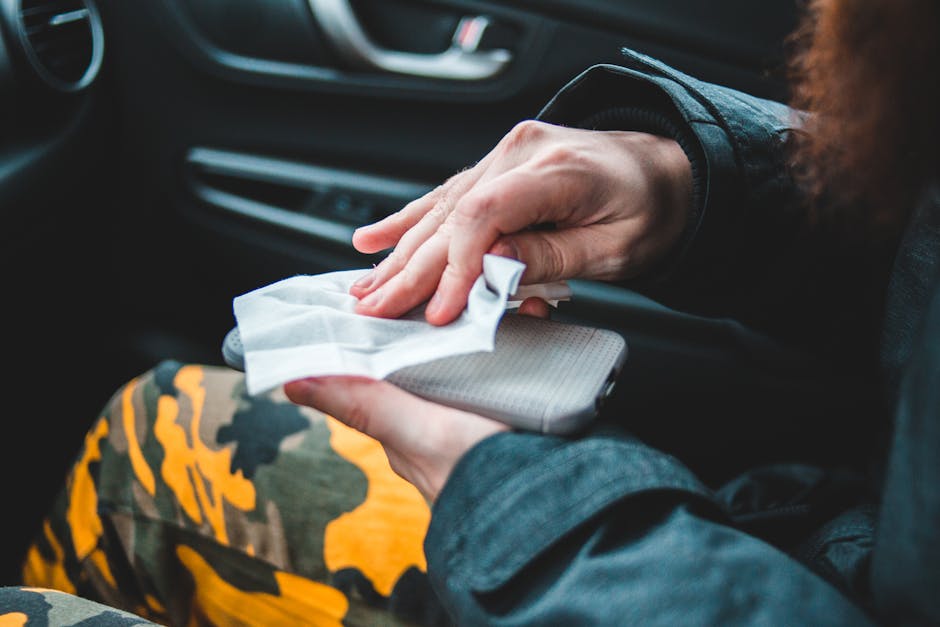
If you’ve ever reached for a wipe in the bathroom, chances are you didn’t stop to think about what happens after you flush it. After all, wet wipes and flushable wipes look almost identical—soft, moist, and designed to leave you feeling cleaner than toilet paper alone. But behind that familiar packaging is a surprisingly important difference. In fact, wastewater experts say that confusion between the two products has become one of the biggest causes of household plumbing issues and sewer blockages.
Why Wet Wipes Became So Popular
Wet wipes surged in popularity because they offer something traditional toilet paper cannot: moisture. That small difference can make hygiene routines feel significantly more effective and comfortable.
Most wet wipes are designed for convenience and versatility. They are commonly used for baby care, makeup removal, household cleaning, or personal hygiene. Because they are durable and moist, they can remove residue more effectively than dry paper.
However, durability is also the reason many wet wipes should never be flushed. Most are made with synthetic fibers such as polyester or plastic-based materials that are engineered to hold together during use.
When flushed, these wipes can stay intact as they move through pipes and sewer systems, oftentimes leading to blockages.
What Makes Flushable Wipes Different
Flushable wipes are designed with a completely different goal in mind. Unlike standard wet wipes, they are made to break apart much more quickly once they enter water and begin moving through plumbing systems.
Instead of durable synthetic materials, many flushable wipes rely on plant-based or dispersible fibers that are engineered to separate when exposed to water and agitation. This allows them to provide the convenience of a moist wipe while reducing the risk of plumbing problems.
Industry organizations such as the International Water Services Flushability Group and INDA (the Association of the Nonwoven Fabrics Industry) have developed guidelines that products must meet before they can be labeled flushable. These tests evaluate how quickly a wipe disperses and whether it can move safely through wastewater systems.
Even with these standards, plumbing professionals often recommend moderation. Flushing large quantities of any wipe, even those labeled flushable, can still increase the risk of buildup in pipes.
Why the Confusion Exists
Part of the confusion comes from how similar the two products feel in everyday use. Wet wipes and flushable wipes look, smell, and function almost the same during use.
Both are soft, moist, and designed to improve cleaning compared with dry toilet paper. But once the wipes enter water, the difference becomes clear.
Standard wet wipes are built to stay strong, which makes them useful for tasks like removing makeup or cleaning surfaces. Flushable wipes must strike a delicate balance between durability during use and rapid breakdown afterward.
A Growing Focus on Materials and Sustainability
Another reason flushable wipes have gained attention is the growing focus on sustainability and material transparency. Consumers today are paying closer attention to the ingredients and fibers used in everyday hygiene products.
Many newer wipes are made with plant-based fibers and high water content, rather than plastic-heavy materials. The goal is to deliver the same hygiene benefits while reducing environmental impact.
For example, some brands—such as Squatty Potty, known for bathroom health products, have introduced wipes made with plant-based fibers and water-rich formulas designed to be gentler on both skin and materials.
This reflects a broader industry move toward simpler formulations and more sustainable materials.
How Consumers Can Choose the Right Option
Understanding the difference between wet wipes and flushable wipes helps consumers make smarter choices for both hygiene and plumbing.
In general:
- Wet wipes are best for cleaning tasks or personal care but should usually be thrown in the trash.
- Flushable wipes are designed to break down faster and may be flushed in limited amounts when they meet recognized flushability standards.
Reading product labels and following disposal instructions is key.
Ultimately, wipes are meant to make daily hygiene easier. Knowing the difference between wet wipes and flushable wipes ensures you get the comfort and cleanliness you expect—without creating problems further down the pipe.
Squatty Potty USA, LLC
City: New York
Address: 37 East 18th Street
Website: http://www.squattypotty.com


Comments
Post a Comment