Fish Meal Fertilizer Benefits & Alternatives: Guide For Home Gardeners
Key Takeaways:
- Fish meal provides nitrogen with higher NPK values, while shellfish meal offers slow-release nutrients with calcium and pest control benefits through chitin content.
- Shellfish meal naturally suppresses plant parasitic nematodes and fungal diseases, making it ideal for long-term soil health.
- Fish meal excels for heavy feeders and quick growth spurts, whereas shellfish meal builds stronger plant cell walls with calcium and magnesium.
- Both fertilizers offer sustainable ways to repurpose seafood industry waste while providing distinct nutritional profiles for different gardening needs.
Choosing between shellfish and fish meal fertilizers can significantly impact plant health and garden productivity. While both come from marine sources, these organic amendments offer distinctly different benefits that smart gardeners should understand before making their selection.
NPK Content and Release Rates: Understanding the Organic Breakdown Timeline
Fish meal typically delivers higher nitrogen content with NPK ratios like 10-4-0 or 5-2-2, making it a powerhouse for plant growth. This nitrogen source provides nutrients that heavy feeders and plants requiring nutrient uptake can readily absorb. The proteins in fish meal break down gradually in soil, releasing nutrients over several weeks to months of application.
As explained by the experts at GS Plant Foods, shellfish meal, particularly crab and shrimp meal, offers a more modest NPK profile around 3-3-0 or 2-2-0. However, this lower concentration doesn't mean less effectiveness. The slow-release nature of shellfish meal provides sustained nutrition over several months, reducing the risk of nutrient leaching and runoff that can harm local waterways.
The extended breakdown timeline of shellfish meal creates a more environmentally friendly soil enrichment system. Unlike synthetic fertilizers that can overload plants with nutrients they cannot fully absorb, shellfish meal works with natural soil processes to deliver bioavailable nutrients as plants need them.
Chitin vs. Trace Minerals: Unique Plant Health Benefits
1. Shellfish Meal's Natural Pest Control Through Chitin
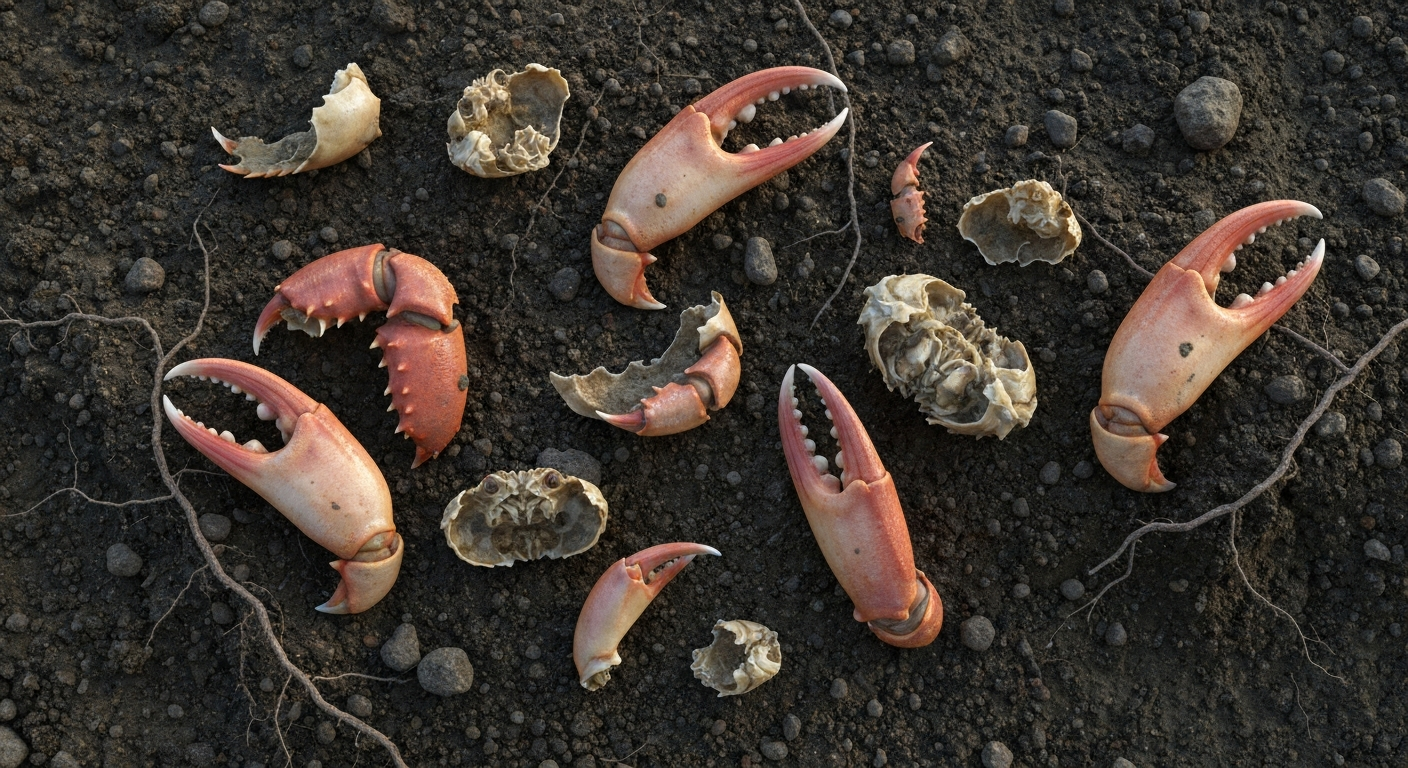
The secret weapon in shellfish meal lies in its chitin content - a natural compound that dramatically enhances plant defense mechanisms. Chitin stimulates beneficial soil microbes that actively suppress plant parasitic nematodes and fungal diseases. These chitinase-producing microorganisms create an invisible shield around plant roots, making them more resistant to common garden pests.
Case studies on organic vegetable farms demonstrate impressive results: incorporating crab meal improved soil microbial activity while reducing root-knot nematode incidence in susceptible crops. This natural pest control system can significantly reduce the need for synthetic pesticides, creating a healthier garden ecosystem that earthworms and beneficial insects thrive in.
2. Fish Meal's Micronutrient Profile for Plant Metabolism
Fish meal compensates for its lack of chitin with an impressive array of trace minerals needed for plant metabolic processes. Iron, zinc, and manganese found in fish meal support chlorophyll production, enzyme function, and overall plant vigor. These micronutrients become particularly valuable during periods of rapid growth or stress recovery.
The diverse micronutrient profile in fish meal also serves as excellent food for beneficial soil microorganisms, enhancing overall soil fertility and structure. This creates a robust foundation for plant root development and nutrient absorption throughout the growing season.
Calcium and Magnesium: Why Shellfish Meal Builds Stronger Plants
Shellfish meal delivers substantial amounts of calcium and magnesium - two minerals that many gardeners overlook but plants desperately need. Calcium strengthens cell walls, improving plant structure and disease resistance, while magnesium serves as the central atom in chlorophyll molecules, directly impacting photosynthesis efficiency.
These minerals work synergistically to create stronger, more resilient plants capable of withstanding environmental stresses like drought, temperature fluctuations, and pest pressure. The gradual release of calcium from crab shells provides steady mineral availability over time, creating ideal growing conditions for most garden plants.
Plants receiving adequate calcium and magnesium from shellfish meal often display improved fruit quality and better overall plant health - benefits that extend well beyond basic growth metrics.
Application Timing and Environmental Impact
1. Best Plants for Each Fertilizer Type
Fish meal excels for leafy greens, fast-growing vegetables, and plants during early vegetative stages when nitrogen uptake drives explosive growth. Heavy feeders like corn, squash, and tomatoes particularly benefit from fish meal's nutrient availability during their peak growing periods.
Shellfish meal proves ideal for long-term plantings like fruit trees, perennial flowers, and established garden beds where sustained nutrition matters more than quick results. Root vegetables, brassicas, and plants prone to pest issues gain significant advantages from shellfish meal's protective chitin content.
2. Sustainability and Waste Reduction Benefits
Both fertilizers transform seafood industry waste into valuable garden resources, but shellfish meal effectively utilizes crab and shrimp shells, which are significant waste products. Crab and shrimp shells, which would otherwise burden marine ecosystems if dumped back into the ocean, become soil-building powerhouses that support terrestrial plant life.
This circular approach to resource management reduces landfill waste while creating products that enhance rather than degrade environmental systems - a win-win scenario for conscious gardeners seeking sustainable growing practices.
3. Managing Odor and Application Considerations
Fish meal can produce stronger initial odors, especially when first applied, which might concern home gardeners with close neighbors or limited outdoor space. The smell typically dissipates within days as soil microorganisms begin breaking down the organic matter. Applying before rain or during cooler weather can help minimize any discomfort.
Shellfish meal generally produces less noticeable odors due to its composting process, which reduces fishy smells while preserving nutritional value. Both fertilizers should be worked into soil rather than left on the surface to maximize nutrient retention and minimize any scent issues.
Choose Shellfish Meal for Long-Term Soil Health and Natural Pest Defense
For home gardeners prioritizing sustainable, long-term soil improvement, shellfish meal emerges as the superior choice. Its combination of slow-release nutrition, natural pest control, and calcium enhancement creates a soil health system that benefits plants for months after application.
The chitin-driven pest suppression alone justifies shellfish meal's place in organic gardens, providing natural protection against nematodes and fungal diseases without synthetic chemicals. When combined with the sustained calcium and magnesium release, shellfish meal builds garden resilience that compounds year after year.
Fish meal certainly has its place for specific applications requiring nutrient delivery, but shellfish meal's holistic approach to plant and soil health makes it the smarter investment for most home gardening situations. The environmental benefits of waste reduction and reduced nutrient runoff further support shellfish meal as the more responsible choice for eco-conscious gardeners.
GS Plant Foods
City: Lake Mary
Address: 4300 West Lake Mary Boulevard
Website: https://gsplantfoods.com/


Comments
Post a Comment