Fiber Cement vs Vinyl Siding Costs & ROI: Which Is Better For Your Home?
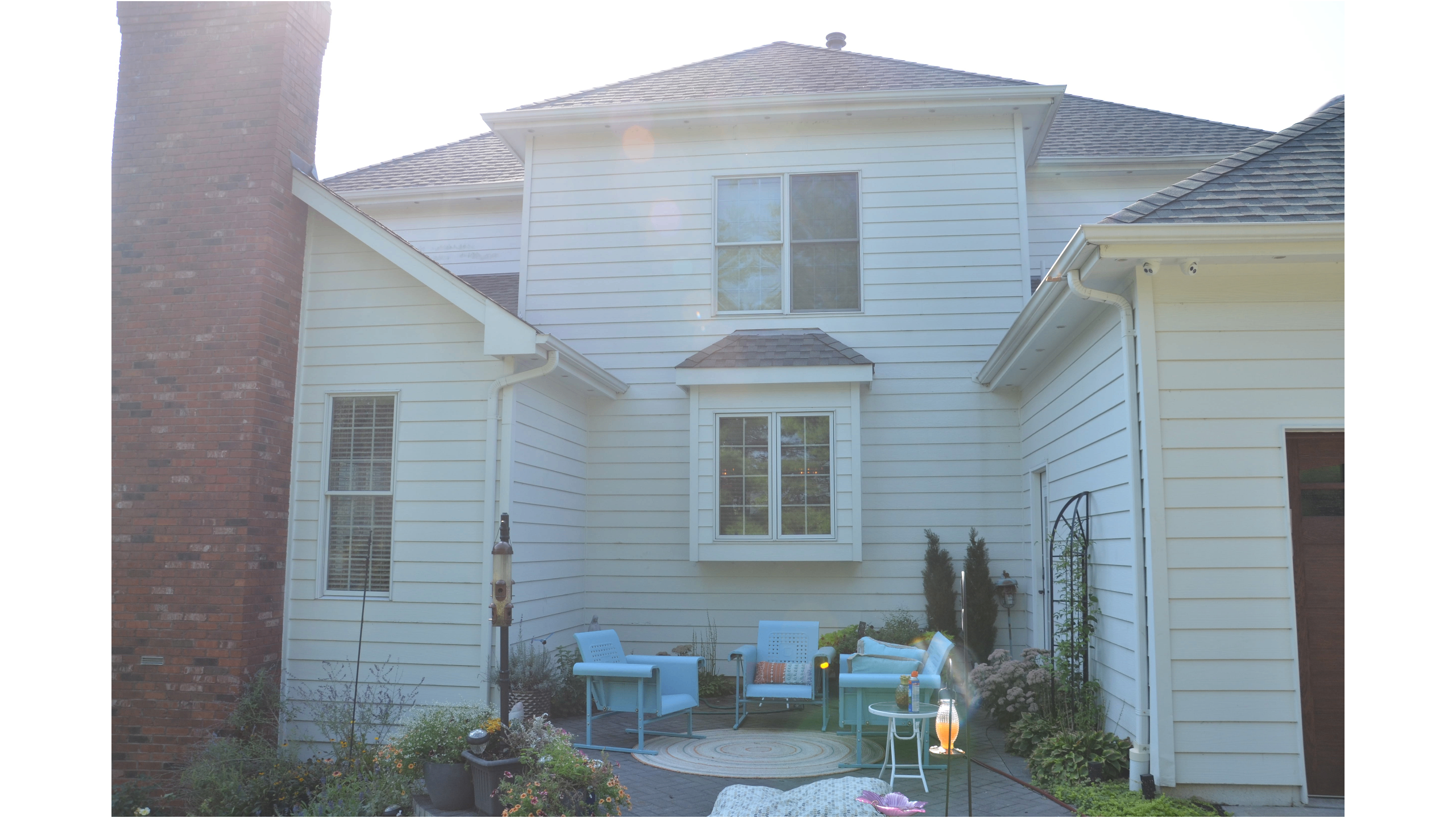
Key Takeaways
- Fiber cement siding costs more upfront ($7-18 per square foot) but offers better long-term value with an 88.4% ROI compared to vinyl's 80.2% ROI.
- Vinyl siding provides immediate savings at $3-12 per square foot installed, making it ideal for budget-conscious homeowners.
- Fiber cement lasts 50+ years with minimal maintenance, while vinyl typically requires replacement after 20-40 years.
- Climate considerations significantly impact performance, with fiber cement's non-combustible properties potentially reducing insurance costs.
- James Hardie's specialized manufacturing for different climate zones maximizes durability and performance beyond standard options.
Choosing between fiber cement and vinyl siding isn't just about picking materials—it's about making a smart investment in your home's future. While the upfront cost difference can seem significant, understanding the complete financial picture, including maintenance costs, lifespan, and resale value, reveals which option truly delivers better value for homeowners.
Cost Breakdown: Upfront Investment Differences
The initial investment gap between these two popular siding materials is substantial and immediately noticeable. Vinyl siding installation averages $3-12 per square foot, including both materials and labor costs. This affordability stems from vinyl's lightweight nature and straightforward installation process, which reduces labor time and complexity.
Fiber cement siding commands $7-18 per square foot installed, reflecting both premium materials and specialized installation requirements. The higher cost results from fiber cement's heavier weight, which demands more skilled labor and specialized cutting tools. Installation crews need additional safety equipment and experience working with cement-based products.
For a typical 1,500-square-foot home exterior, vinyl siding projects range from $4,500 to $18,000 total, while fiber cement installations cost $10,500 to $27,000. This significant difference often influences initial decision-making, particularly for homeowners working within strict budget constraints.
Return on Investment: Which Delivers Better Resale Value
When homeowners sell their properties, siding choice significantly impacts recovery of their investment. Fiber cement siding projects typically recoup 88.4% of their cost at resale, according to national remodeling reports. This strong performance reflects buyer appreciation for durability and premium aesthetics.
Vinyl siding offers a solid 80.2% cost recovery upon resale, demonstrating good value despite the lower return percentage. The 8% difference in ROI can translate to thousands of dollars for homeowners, especially on higher-value properties where the absolute dollar difference becomes more significant.
Real estate professionals consistently note that homes with fiber cement siding often sell faster and command higher prices in competitive markets. The material's association with quality construction and low maintenance appeals to discerning buyers willing to pay premiums for reduced future headaches.
Durability & Lifespan: Long-Term Cost Analysis
Understanding material longevity reveals the true cost comparison between these siding options. While upfront prices tell one story, lifespan calculations present a dramatically different financial picture that smart homeowners consider carefully.
Fiber Cement's 50+ Year Performance
Fiber cement siding routinely lasts 50+ years with proper maintenance, often outliving the mortgages on homes where it's installed. This exceptional longevity stems from the material's composition—cement, sand, and cellulose fibers create a virtually indestructible barrier against weather, pests, and time.
The material resists rot, warping, and cracking that plague other siding options. Fire resistance provides additional protection, while pest immunity eliminates concerns about termites, woodpeckers, and other destructive creatures. Many manufacturers back this durability with 30-50 year warranties, demonstrating confidence in long-term performance.
Vinyl's 20-40 Year Lifespan Potential
Vinyl siding typically performs well for 20-40 years before showing significant wear or requiring replacement. In moderate climates with minimal temperature extremes, quality vinyl installations often reach the upper end of this range.
However, harsh environmental conditions accelerate vinyl degradation. Extreme cold causes brittleness and cracking, while intense heat can cause warping or melting. UV exposure gradually fades colors, particularly darker shades, creating uneven appearances that diminish curb appeal over time.
Maintenance Costs Over Time
Ongoing maintenance expenses significantly impact total ownership costs, often surprising homeowners who focus solely on initial installation prices. These recurring costs accumulate substantially over decades of ownership.
Fiber Cement: Repainting Needs Vary by Product Type
Fiber cement maintenance primarily involves repainting every 10-15 years, depending on climate conditions and paint quality. Factory-primed products require initial painting, while pre-finished options like James Hardie's ColorPlus extend maintenance intervals significantly.
Annual cleaning with garden hoses removes dirt and debris, maintaining appearance without specialized equipment or professional services. The material's resistance to mold, mildew, and pest damage eliminates many maintenance headaches common with other siding types. Professional repainting costs $2,000-4,000 for typical homes, but the 10-15 year intervals make annual maintenance costs quite reasonable.
Vinyl: Low-Maintenance with Annual Care Requirements
Vinyl siding requires minimal ongoing maintenance, primarily consisting of annual washing to remove accumulated dirt, pollen, and mildew. Power washing or simple garden hose cleaning typically suffices, making this an attractive feature for busy homeowners.
However, damage repairs can be problematic. Individual panel replacement is possible but often results in color mismatches due to fading of surrounding panels. Major damage may require extensive section replacement to achieve uniform appearance, potentially creating unexpected expenses.
Climate Impact on Siding Performance
Geographic location and local climate conditions dramatically influence siding performance and longevity. Understanding these environmental factors helps homeowners make informed decisions based on their specific situation.
Non-Combustible Fiber Cement Insurance Benefits
Fiber cement's fire-resistant properties can reduce homeowner insurance premiums in fire-prone regions. The material earns Class A fire ratings, providing superior protection compared to combustible alternatives.
This safety advantage becomes particularly valuable in wildfire-prone areas where insurance companies increasingly scrutinize construction materials. Some insurers offer premium discounts for non-combustible siding, helping offset higher initial costs through reduced long-term insurance expenses.
Extreme Weather Resistance Comparison
Fiber cement excels in harsh weather conditions that challenge other materials. Hail resistance prevents damage that commonly affects vinyl siding, while wind resistance keeps panels securely attached during storms.
Vinyl performs adequately in moderate climates but struggles with temperature extremes. Northern regions with severe winters see increased cracking and brittleness, while southern areas with intense heat experience warping and thermal expansion issues. Coastal environments with salt exposure generally favor fiber cement's superior corrosion resistance.
James Hardie vs Standard Options
Premium brands like James Hardie differentiate themselves through advanced manufacturing processes and climate-specific engineering that improve performance beyond standard fiber cement offerings.
HardieZone Climate-Specific Manufacturing
James Hardie's HardieZone System engineers products for specific climate conditions, optimizing performance based on regional weather patterns. This climate-specific approach addresses local challenges like humidity, temperature swings, and precipitation levels.
Different zones receive tailored formulations designed to withstand local environmental stresses. For example, products destined for hot, humid climates incorporate improved moisture resistance, while cold-weather formulations improve freeze-thaw durability.
ColorPlus Factory-Applied Finish Technology
ColorPlus technology applies paint in controlled factory conditions, creating more durable finishes than field-applied alternatives. The multi-coat process includes specialized primers and topcoats designed specifically for fiber cement substrates.
This factory finish extends maintenance intervals to 15+ years in many cases, reducing long-term ownership costs while maintaining superior appearance. The consistent application eliminates common field painting issues like brush marks, uneven coverage, and premature failure.
Fiber Cement Wins for Long-Term Value Despite Higher Upfront Costs
When analyzing total cost of ownership over typical homeownership periods, fiber cement consistently delivers superior value despite higher initial investment. The combination of longer lifespan, better ROI, lower maintenance needs, and improved durability creates compelling financial advantages.
While vinyl's lower upfront cost provides immediate savings, fiber cement's durability eliminates replacement needs that vinyl will likely require. Factor in better resale value and potential insurance savings, and the financial case becomes clear.
For homeowners planning to stay in their homes long-term, fiber cement siding represents the smarter investment. Even those considering shorter ownership periods benefit from improved resale value and faster sale times that quality siding materials typically provide.
Banner Construction
City: St. Louis
Address: 1177 N Price Rd, St. Louis, MO, 63132
Website: https://bannerconstruction.com/


Comments
Post a Comment