Choosing the Right Moisturizer for Sensitive Skin: Expert Shares Key Factors
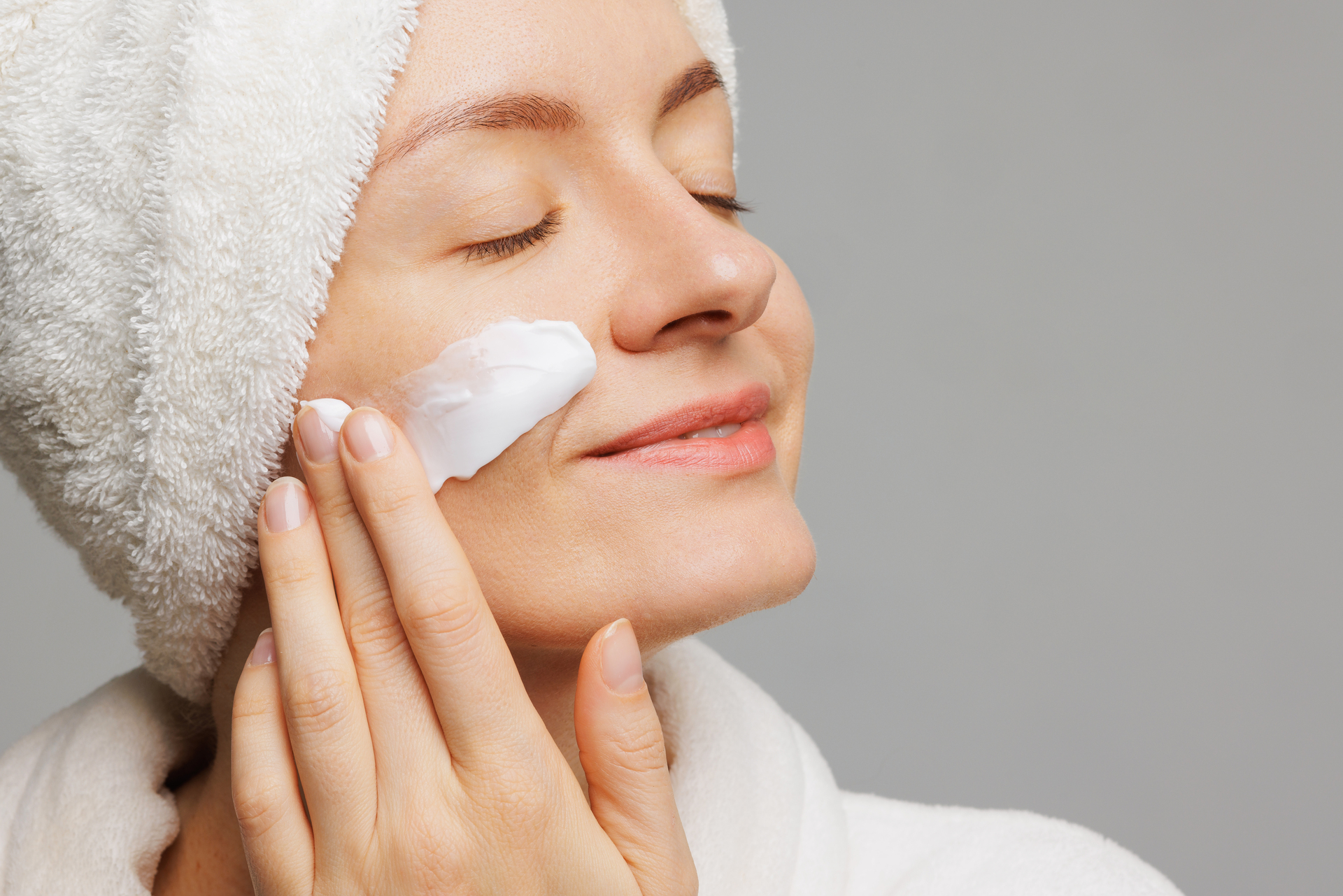
Moisturizing twice a day and still dealing with redness, tightness, or that uncomfortable stinging feeling after applying your product? The problem likely isn't your routine. It's that your moisturizer wasn't made with sensitive skin in mind.
Sensitive skin has a weakened barrier that loses moisture quickly and lets irritants in, which is why it reacts strongly to products that work fine on other skin types. For those reasons, brands focused on skin-barrier care are rethinking what a moisturizer should actually do for reactive skin. Here's what the experts say you should know before buying your next one.
Why Sensitive Skin Behaves Differently
Sensitive skin isn't a fixed skin type. It's a condition that can develop in anyone when the skin's protective barrier becomes compromised. Once that happens, water escapes through a process called transepidermal water loss, leaving skin feeling tight, dry, and reactive.
Most moisturizers focus on hydration alone, but that's only part of what sensitive skin needs. Without ingredients that also calm inflammation and reinforce the barrier, the skin stays stuck in a cycle of reacting to almost everything it encounters, no matter how consistently you moisturize.
The Ingredients That Genuinely Help
Not every product labeled "for sensitive skin" lives up to that claim, so the ingredient list matters far more than the front of the packaging. Knowing which ingredients to look for shifts the power back to you as the buyer.
Ingredients That Rebuild the Skin Barrier
- Ceramides fill the gaps in a damaged barrier and help the skin hold moisture more effectively.
- Fatty acids and cholesterol restore the lipids that sensitive skin tends to lose faster than other skin types.
- Squalane mimics the skin's natural oils and strengthens the barrier without clogging pores.
Ingredients That Calm Irritation
- Colloidal oatmeal is recognized by the US FDA as a skin protectant and works well even on highly reactive skin.
- Bisabolol, commonly derived from chamomile, reduces redness and soothes irritation effectively.
- Allantoin offers anti-inflammatory and antioxidant benefits that help quiet reactive skin.
- Panthenol (Vitamin B5) hydrates while supporting the skin's natural healing process.
- Centella asiatica extract is a plant-derived ingredient widely used in barrier-repair formulas for its calming properties.
Hydrators That Won't Trigger Sensitivity
- Glycerin draws moisture into the skin without causing irritation or aggravating sensitivity.
- Aloe vera provides cooling, anti-inflammatory relief, though only in formulas free from alcohol and irritating preservatives.
What's Quietly Making Your Skin Worse
Here's something worth knowing: many moisturizers marketed for sensitive skin still contain ingredients that weaken the barrier over time. Reading labels carefully is the only way to catch them.
Fragrance and parfum top the list as the leading causes of cosmetic skin irritation, whether synthetic or naturally derived. Essential oils like lavender, citrus, and tea tree sound gentle, but their volatile compounds can actually sensitize the skin further with repeated use. Similarly, drying alcohols break down the lipids holding the barrier together, while strong actives like retinoids and AHAs can cause stinging in sensitive skin unless the formula is specifically built to reduce that risk.
Matching the Formula to Your Skin Type
Sensitive skin doesn't behave the same way in every person, and texture matters just as much as ingredients when it comes to how well a moisturizer actually performs.
For Dry and Sensitive Skin
Richer cream or balm textures work best here because they combine humectants that repair the barrier with emollients that lock moisture in and prevent water loss throughout the day.
For Oily or Acne-Prone Sensitive Skin
Skipping moisturizer can push the skin to produce even more oil in response to dehydration, so hydration is still essential. Gel-based or lightweight oil-free formulas deliver what the skin needs without adding congestion or heaviness.
For Normal or Combination Sensitive Skin
A light lotion or gel-cream tends to strike the right balance, hydrating without being too heavy in oilier zones or too light in drier patches. For skin with more extreme variation, applying a lightweight formula all over and a slightly richer one only on drier areas is a practical approach.
How You Apply It Matters Too
Choosing the right product is only half the equation. Applying moisturizer onto slightly damp skin right after cleansing helps lock in hydration more effectively than applying it to completely dry skin.
Before fully committing to any new formula, patch test it by applying a small amount behind the ear or on the inner arm and waiting 24 to 48 hours. When layering products, moisturizer should go on as the second-to-last step, with sunscreen applied over it during the day to seal everything in properly.
Label Claims Worth Prioritizing
When two products seem similar, these label claims can help narrow it down:
- Fragrance-free
- Dermatologist-tested for sensitive skin
- Non-comedogenic
- Hypoallergenic
Simpler formulations tend to be safer for sensitive skin because fewer ingredients means fewer chances for a reaction. Minimalist formulas with around 10 to 15 ingredients are often more effective for reactive skin than complex ones loaded with actives and extracts.
What It Really Takes to Get Sensitive Skin Right
Sensitive skin doesn't need the most expensive product on the shelf. What it needs is a thoughtful formula built around barrier repair, gentle hydration, and calming inflammation without sneaking in new irritants.
When those elements come together, the skin gradually becomes less reactive and more resilient over time. If you've tried product after product without real results, it may be time to look at moisturizers built for sensitive skin that treat barrier care as the foundation rather than an afterthought.
Dr. Bibi Organics
City: Boca Raton
Address: 2101 NE 4th Way
Website: https://drbibiorganics.com/
Phone: +15612919109
Email: support@drbibiorganics.com


Comments
Post a Comment