CE Courses For WI Massage Therapists: How Cupping Techniques Boost Your Practice
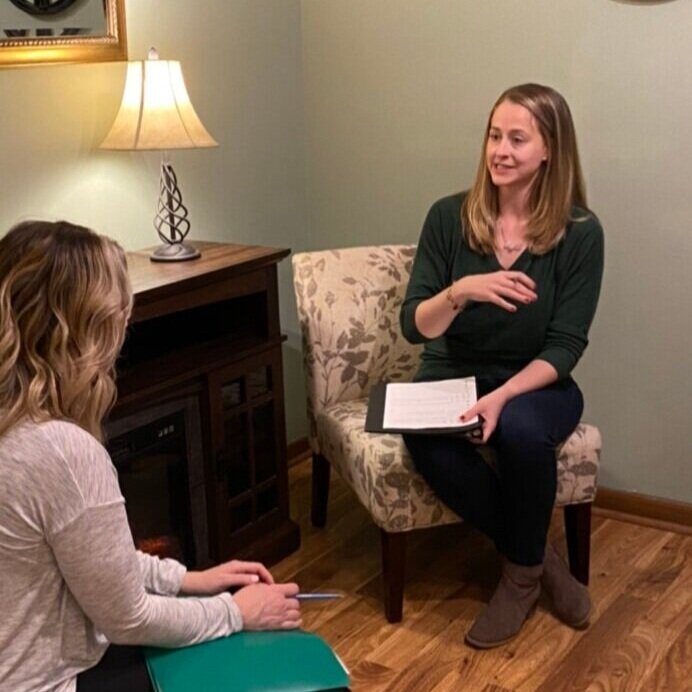
As a massage therapist, continuing education is more than a licensing requirement — it’s an investment in your hands, your career, and your clients’ results. The field continues to evolve, client expectations are rising, and new research regularly shapes how therapists approach pain, tension, and recovery. Adding cupping massage techniques to your skill set is one powerful way to stay ahead.
The experts at A Better Body Massage Therapy have developed a continuing education course focused on cupping massage techniques, and while the course itself is worth exploring, the bigger conversation is about why cupping belongs in a modern massage therapist’s toolbox.
The Challenge: Stubborn Tension and Therapist Fatigue
If you’ve been practicing for any length of time, you’ve likely encountered clients with:
- Persistent trigger points
- Chronic neck and shoulder tightness
- Long-standing myofascial restrictions
- Tension that returns session after session
Deep tissue work can be effective, but it can also be physically demanding. Over time, repetitive high-pressure techniques may take a toll on your hands, wrists, and shoulders.
Cupping offers a different mechanical approach. Instead of compressing tissue, cupping gently lifts and decompresses it. This creates space within the fascia and underlying structures, often allowing tissue to respond in a way that feels different from traditional manual pressure.
For many therapists, that means two major benefits:
- A fresh strategy for clients who aren’t progressing with standard techniques.
- A way to reduce wear and tear on their own bodies.
What the Research Says About Cupping
Cupping is not new. It has historical roots in various traditional medicine systems, and in recent years it has gained broader attention in integrative health settings.
Research indexed through the National Library of Medicine suggests cupping may support:
- Increased local circulation
- Reduction of musculoskeletal discomfort
- Improved mobility in certain soft tissue conditions
- Temporary relief of myofascial tightness
While outcomes vary depending on condition and technique, the growing body of literature indicates that cupping can serve as a complementary approach within therapeutic massage practice.
For massage professionals, this isn’t about trends — it’s about having evidence-informed options available when clients present with complex or persistent issues.
Why Continuing Education Matters More Than Ever
Continuing education is a cornerstone of professional massage therapy. Beyond meeting state renewal requirements, ongoing training helps therapists:
- Stay current with evolving therapeutic approaches
- Refine clinical reasoning and assessment skills
- Improve safety and client outcomes
- Strengthen professional credibility
Clients are increasingly informed and proactive about their care. Many are seeking therapists who can offer integrated techniques rather than a one-size-fits-all approach. Expanding your knowledge base signals professionalism and commitment to excellence.
A Better Body Massage Therapy has built a reputation in Madison for supporting therapists through structured, skill-based continuing education. Their approach reflects an understanding that education should be practical, applicable, and grounded in real-world clinical experience.
Who Benefits Most From Learning Cupping?
Cupping education can be particularly valuable if:
- You frequently treat clients with chronic tension patterns.
- You feel physical fatigue from repetitive deep tissue work.
- You want to expand your service offerings in a responsible, trained manner.
- You’re curious about cupping but prefer hands-on instruction before introducing it to clients.
Structured training allows therapists to practice safe application, understand contraindications, and confidently integrate cups into existing session flow. It’s not simply about placing cups — it’s about knowing when, why, and how to use them effectively.
Expanding Your Therapeutic Toolkit
Adding cupping techniques doesn’t mean replacing your foundational massage skills. Instead, it enhances them. Many therapists find that alternating between manual techniques and cupping creates a balanced session that feels effective for clients and sustainable for the practitioner.
Professional longevity matters. Learning modalities that reduce strain while improving outcomes is a strategic move for any career-minded therapist.
Continuing education is about growth — clinical growth, professional growth, and personal sustainability. Cupping massage techniques offer a practical, research-supported addition to your practice that can benefit both your clients and your own body.
A Better Body
City: Madison
Address: 6515 Grand Teton Plaza, Suite 145,
Website: https://www.madisonbetterbody.com


Comments
Post a Comment