Can You Eat Duckweed? Nutritional Benefits & How To Prepare It For Consumption
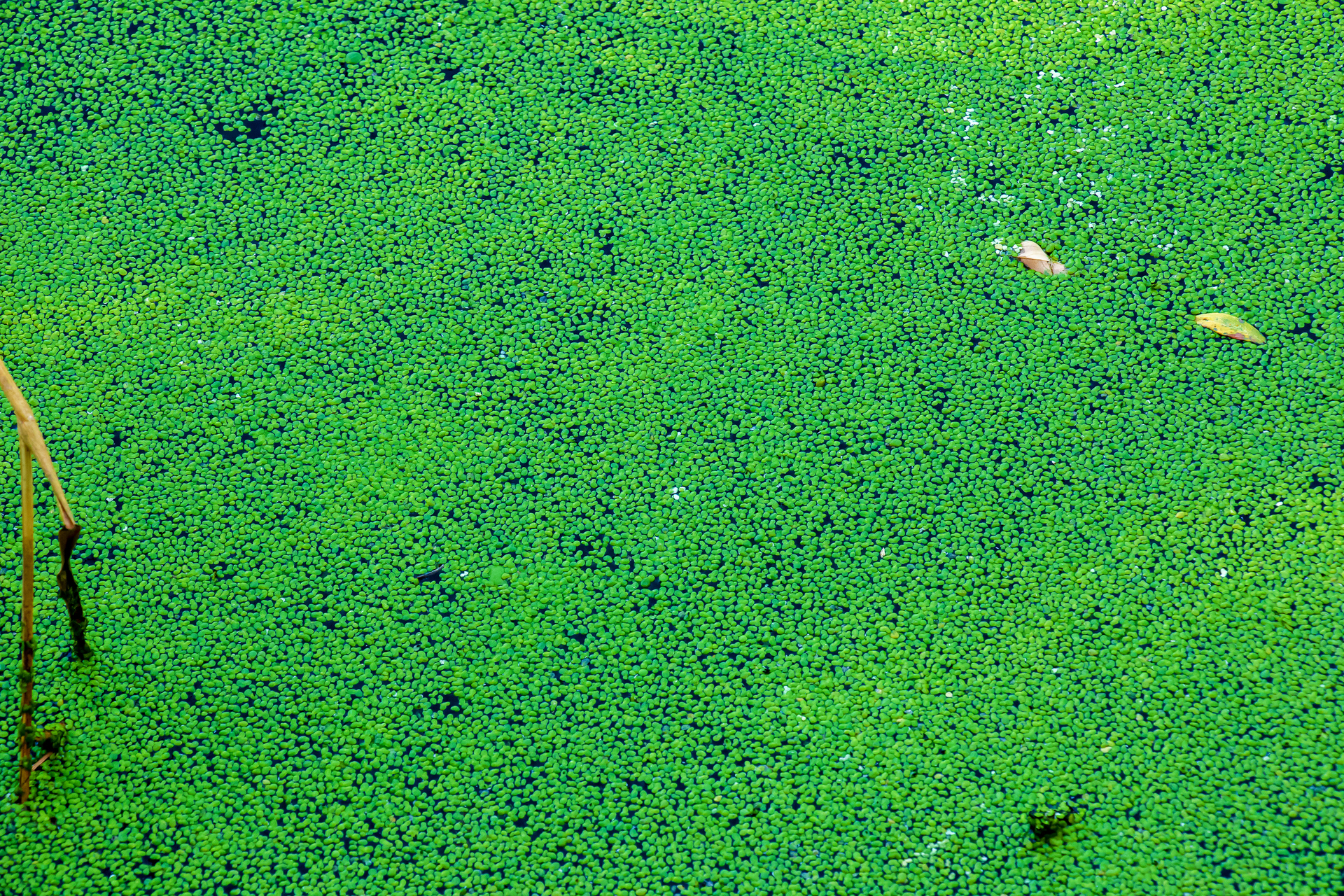
A plant that doubles its mass every few days, rivals soybeans in protein output, and has fed communities in Southeast Asia for centuries, is probably not what comes to mind when you think of superfoods. Still, duckweed has been quietly earning that reputation for years.
Most people in the West recognize duckweed only as the green film covering a neglected pond, which makes it easy to dismiss before giving it a fair look. But the nutritional profile hiding beneath that green surface is exactly what makes it worth a closer look.
The Real Reason Duckweed Hasn’t Made It Onto Your Plate Yet
The biggest barrier isn’t availability — it’s perception, and that perception isn’t entirely unfounded. Duckweed growing in unmonitored water absorbs whatever surrounds it, including heavy metals, pesticides, and pathogens. No preparation method fully neutralizes contamination from a poor water source, so wild harvesting from unknown ponds is genuinely risky, not just visually unappealing.
There’s also the calcium oxalate issue, which is worth understanding before you dive in. The Lemna species of duckweed can carry calcium oxalate at higher concentrations than vegetables like spinach or Swiss chard, particularly when grown in high-calcium water. That said, research from the Missouri Botanical Garden notes that growing duckweed on low-calcium water for a short period can meaningfully reduce oxalate levels, making cultivation conditions a real variable in managing this concern.
Neither of these issues makes duckweed off-limits — but both of them make sourcing and preparation non-negotiable steps rather than optional ones.
What’s Actually Inside This Tiny Aquatic Plant
Protein is the headline nutrient, and the numbers hold up under scrutiny. Depending on species and growing conditions, duckweed protein content ranges between roughly 20% and 45% of dry weight, with the Wolffia globosa species sitting toward the higher end under optimized cultivation. For context, a randomized controlled trial published in Clinical Nutrition found that 30 grams of protein from Wolffia globosa produced postprandial essential amino acid responses comparable to cheese and peas, which places it squarely in the category of quality plant protein.
What makes the full profile more interesting, though, is what sits alongside the protein. Duckweed contains all essential and conditional amino acids, vitamins A and B complex, iron, zinc, dietary fiber, and polyphenols that show antioxidant and anti-inflammatory activity in research settings. The vitamin B12 finding deserves particular attention, especially for anyone eating a plant-based diet, since B12 is notoriously hard to obtain from non-animal sources. That same clinical trial confirmed that Wolffia globosa significantly increased serum B12 concentrations compared with both cheese and peas — a result that sets it apart from most other plant proteins on the market.
The protein and vitamin content alone would be enough to justify interest, but duckweed goes further. It also contains lutein and zeaxanthin, two carotenoids linked to eye health and inflammation reduction.
How To Prepare Duckweed So It’s Actually Safe To Eat
Everything here assumes you’re starting with duckweed grown in clean, controlled conditions — not wild-harvested material. That distinction matters more with duckweed than with almost any other vegetable.
Getting the source and cleaning right
Controlled hydroponic systems and commercially cultivated products are the most reliable starting points for safe consumption. If you’re growing your own, use clean water with a monitored nutrient source and rinse the duckweed thoroughly in fresh water before any further processing.
Processing methods and what each one does
How you process duckweed directly affects both its safety and its nutritional value, so the method you choose should match your intended use:
Boiling and then changing the water before consuming is the most practical first step — it reduces calcium oxalate and kills bacteria, making it a sensible default for regular use.
If you're looking to concentrate nutrients, blanching followed by sun-drying has been shown to increase protein, zinc, and iron content compared to other drying methods. Freeze-thawing, on the other hand, preserves higher protein levels in the solid portions, while boiling increases phenolic content and antioxidant activity in the liquid.
For maximum absorption, mechanical crushing and cell wall rupture techniques improve how much protein your body can actually take in from the plant.
A protein digestibility rate of approximately 89% has been reported in review literature, which is a strong figure for a plant protein and suggests that the right preparation method makes a meaningful difference in nutritional outcome.
Working it into meals
Duckweed has a neutral, mild flavor, similar to romaine lettuce or light leafy greens, which makes it easy to incorporate without disrupting other flavors. It blends smoothly into smoothies, works well in soups and bread dough, and holds up as a salad or dressing addition. Some commercial producers freeze it into small portioned cubes for daily use, which is a practical format for keeping intake consistent without the prep effort.
The Safety Concerns You Should Actually Know About
Not every concern about duckweed applies equally to every form of consumption, and that distinction is easy to miss when reading general warnings. The European Food Safety Authority reviewed water lentil powder as a novel food and concluded that manganese intake at certain proposed use levels could substantially increase total dietary exposure beyond typical background levels. That finding applies specifically to high-dose concentrated formats — not to eating duckweed as a vegetable in a balanced diet.
Mineral composition is another variable that shifts depending on the growing medium, since duckweed absorbs minerals directly from its water source. Sourcing from producers with consistent cultivation controls reduces batch-to-batch variability and gives you a more predictable nutritional outcome over time.
Where Duckweed Fits In The Bigger Picture
Consumer research from Wageningen University found that Dutch consumers, with no prior familiarity with duckweed as food, were generally open to eating it once they understood its benefits, and rated it more favorably than other alternative proteins like insects or algae. That kind of reception matters because it suggests the perception barrier is movable with the right information.
On the production side, the fastest-growing duckweed strains can produce roughly 20 grams of dry material per square meter daily, require no arable land, and grow year-round in hydroponic systems. Start-ups like Plantible have already developed duckweed-based proteins for use in plant-based meat alternatives and egg replacers, which signals that commercial development is well past the experimental stage.
Start Here Before You Go Any Further
Duckweed doesn’t need to be overhyped to be worth your attention; the nutritional evidence stands on its own. The preparation process is straightforward once you understand the sourcing requirements and the role processing plays in both safety and nutrition. If you're still weighing whether duckweed belongs in your diet at all, the sourcing and preparation steps above are the most practical place to start — get those right, and the rest follows from there.
Lotus Ministry Trust
City: San Francisco
Address: 1355 Post St
Website: https://www.lotus-ministry.org/
Email: lotus.ministry.trust@gmail.com


Comments
Post a Comment