Benefits Of A Daily Foot Soak: Old & New Methods To Detox & De-Stress Compared
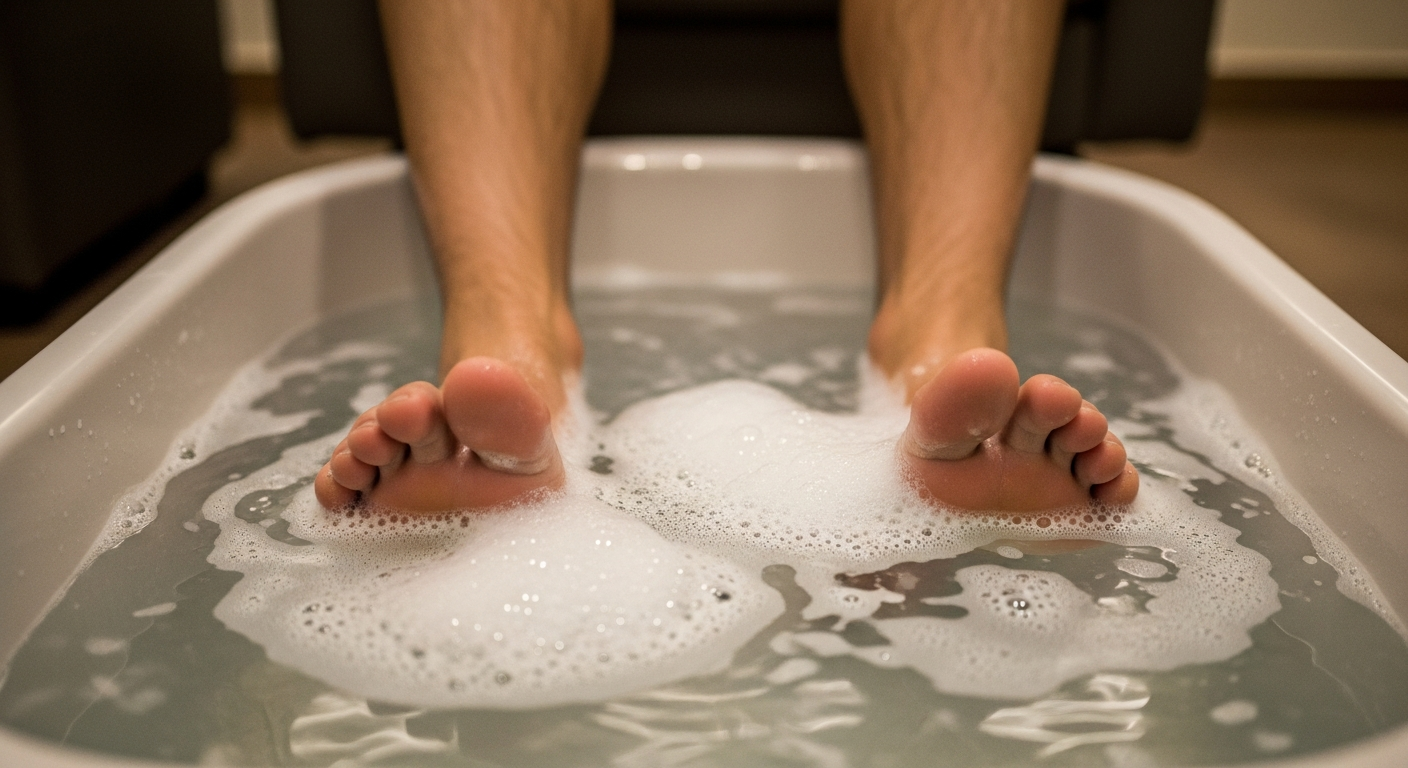
After a demanding day, few things feel as satisfying as sinking tired feet into warm, soothing water. Recent studies in the Journal of Complementary and Integrative Medicine have highlighted a surge in interest in foot soaks as a low-cost, at-home wellness intervention, while Google Trends reports a 40% increase in searches for “foot detox” and “home spa therapy” over the past year. This simple ritual has evolved from a basic comfort practice into a wellness routine that promises everything from stress relief to full-body relaxation. Yet, with options ranging from traditional Epsom salt remedies to modern ionic foot spas, questions persist about which approaches deliver genuine benefits.
Why Daily Foot Soaks Are More Than Just Relaxation
The science behind foot soaking reveals benefits that extend far beyond comfort. Submersion of the feet in warm water dilates blood vessels throughout the body, creating a cascade of physiological responses that influence overall well-being. Stimulating over 7,000 nerve endings in each foot triggers a relaxation response, which may reduce cortisol levels and activate the body’s natural stress-relief mechanisms.
Research indicates that feet contain more than 250,000 sweat glands, making them highly responsive to temperature changes and therapeutic interventions. This unique anatomy explains why foot soaks can impact sleep patterns, pain perception, and overall circulation. Healifeco's ionic foot spa technology builds on these natural responses, though differentiating between proven benefits and marketing claims requires careful consideration of both traditional and modern approaches.
The effectiveness of foot soaks lies in their ability to activate multiple healing pathways simultaneously. Temperature therapy enhances circulation, while the meditative aspect of soaking engages the parasympathetic nervous system. Adding therapeutic ingredients amplifies these effects, creating a simple yet powerful tool for daily wellness maintenance.
Traditional Epsom Salt Foot Baths: Proven Benefits
Warm Water and Limited Magnesium Absorption for Pain Relief
Epsom salt foot baths have earned a reputation through decades of use and growing scientific validation. The primary active ingredient, magnesium sulfate, works through multiple mechanisms to provide therapeutic benefits. While the skin’s ability to absorb magnesium remains debated, anecdotal reports and some limited research suggest Epsom salt soaks may help reduce muscle tension, pain, and inflammation, though more evidence is needed to confirm these benefits beyond the effects of warm water.
A randomized clinical trial involving cancer patients found that Epsom salt foot baths helped delay the onset of chemotherapy-induced peripheral neuropathy (CIPN) symptoms or alleviate them. Warm water alone increases blood flow by dilating blood vessels, while dissolved minerals in Epsom salt may contribute to reducing localized swelling and inflammation, though more research is required to fully understand the mechanisms.
Circulation Benefits and Specific Nerve Function Evidence
The circulation improvements from Epsom salt soaks extend beyond temporary warmth. The combination of heat and mineral content creates vasodilation, enhancing blood flow that can persist for hours after treatment. Increased circulation delivers more oxygen and nutrients to tissues while facilitating the removal of metabolic waste products that contribute to muscle soreness and stiffness.
For individuals with arthritis or chronic pain, the circulation benefits from warm water can translate into improved mobility and comfort. Studies on chemotherapy patients show that regular Epsom salt foot baths can help delay the onset or alleviate symptoms of nerve damage, supporting healthy nerve function.
Creating Unfavorable Conditions for Fungus and Skin Health
While Epsom salt is not a proven antimicrobial, it may help create an environment less favorable for fungal growth, such as athlete’s foot, by drawing out moisture rather than directly killing pathogens. The high mineral content may alter the pH balance of soaking water, potentially making it less inviting for certain organisms, though direct evidence remains limited.
This preventive aspect of foot care often goes overlooked, yet it represents one of the most practical benefits of consistent foot soaking routines. Improved skin health extends beyond the feet, as better circulation and reduced microbial load can positively impact overall immune function.
The Science Behind Ionic Foot Spas
Many ionic foot bath users report improvements in energy levels, pain reduction, and overall well-being following sessions. These effects likely stem from the relaxation response, improved circulation from warm water immersion, and the psychological benefits of dedicating time to self-care.
A 30-minute foot soak can produce measurable stress reduction and mood improvements. While these benefits do not require specialized equipment, the ritual itself may enhance the psychological impact for some users.
Sleep Quality and Stress Relief Benefits
Temperature Regulation for Better Sleep
Foot temperature influences sleep quality. Core body temperature naturally drops as bedtime approaches, signaling the brain to release melatonin. Warming the feet through soaking accelerates this process, helping the body transition into sleep more efficiently.
Research demonstrates that individuals who warm their feet before bedtime fall asleep an average of 15 minutes faster than those who do not. Warming the extremities causes blood vessels to dilate, allowing heat to dissipate from the core and triggering the natural temperature drop that promotes drowsiness.
Essential Oil Enhancements
Adding therapeutic essential oils to foot soaks amplifies both physical and psychological benefits. Lavender oil reduces anxiety and improves sleep quality when inhaled during relaxation. Eucalyptus oil provides mental clarity and respiratory benefits, while peppermint oil offers an invigorating scent and potential pain relief. The combination of aromatic therapy with warm water immersion creates a multi-sensory experience that engages multiple relaxation pathways.
Mental Clarity and Stress Reduction
The meditative aspect of foot soaking provides measurable mental health benefits beyond relaxation. Spending 15-20 minutes in a foot soak activates the parasympathetic nervous system, reducing cortisol production and promoting the release of mood-stabilizing neurotransmitters like serotonin and dopamine.
Regular practice can improve emotional regulation, stress management, and mental clarity. The dedicated time offers a break from digital stimulation and daily stressors, allowing the mind to reset and process experiences.
Establishing a Foot Soak Routine for Health Benefits
Effective foot soak routines begin with realistic expectations and proven methods. Sessions of 15-20 minutes using lukewarm water and Epsom salt provide measurable benefits. Evening soaks support sleep enhancement, while morning soaks can energize the body for daily activity.
Consistency is more important than complexity. Simple daily or weekly routines often produce better results than elaborate, sporadic protocols. Meditative focus during the soak—disconnecting from digital distractions and reconnecting with physical sensations—enhances overall benefit.
Sustainable routines integrate seamlessly into existing self-care practices, requiring minimal equipment while delivering maximum effect. Whether using traditional Epsom salt baths or modern ionic devices, understanding the realistic benefits of each method and maintaining regular practice is key to long-term comfort and well-being.
Healifeco
City: Sheridan
Address: 1309 Coffeen Avenue
Website: https://www.healifeco.com/


Comments
Post a Comment