Aluminum vs. Vinyl vs. Wood Fence: 2026 Fencing Installation Cost Comparison
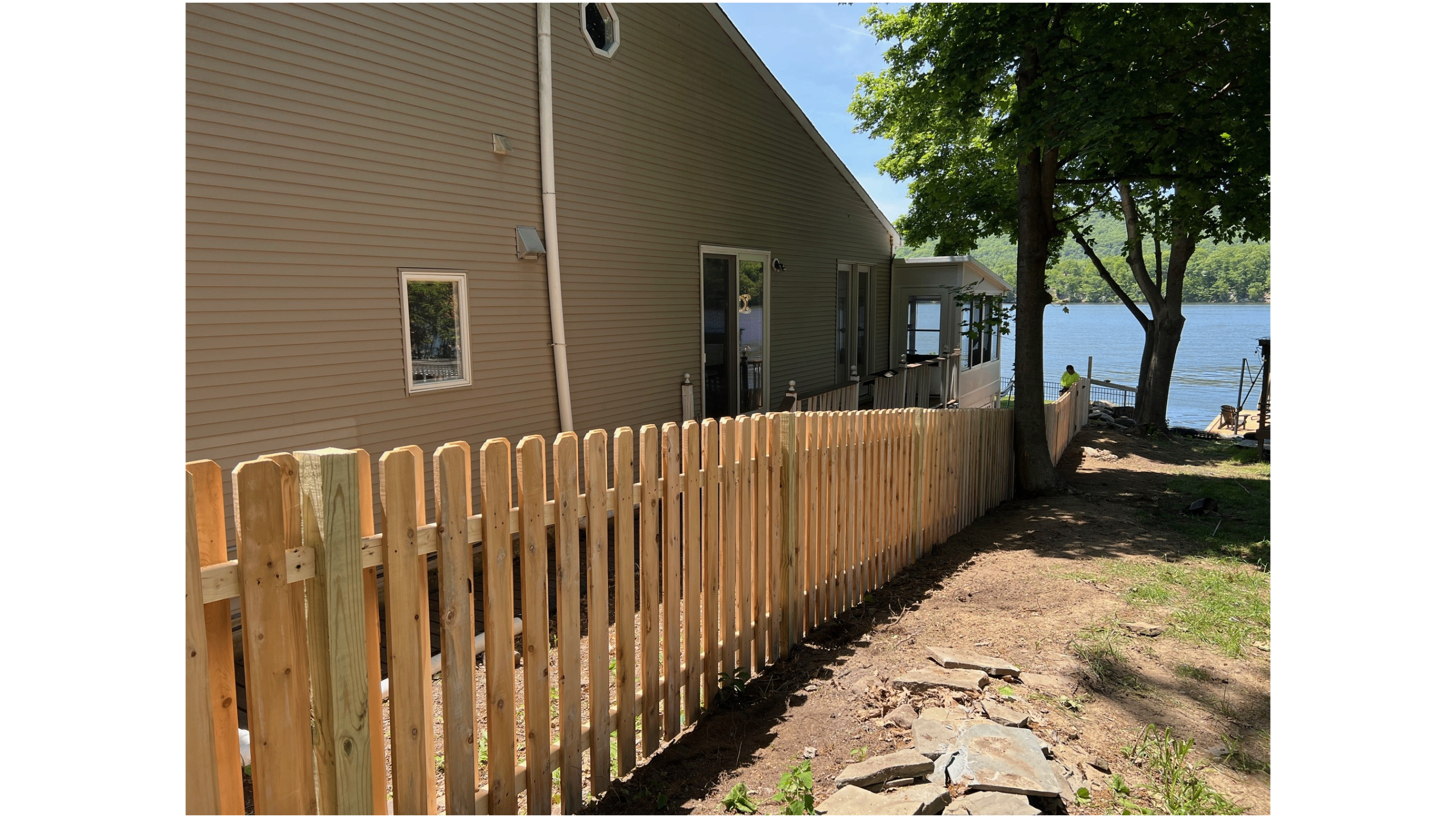
Installing a new fence represents one of the most significant investments homeowners make in their property's security and curb appeal. With material costs continuing to fluctuate and new technologies improving durability standards, understanding the true cost implications of wood, vinyl, and aluminum fencing has never been more critical for making informed decisions in 2026.
2026 Fence Installation Costs: What Every Homeowner Needs to Know
Fence installation costs in 2026 reflect a complex landscape of material prices, labor shortages, and evolving manufacturing technologies. The national average for residential fencing projects now ranges from $13 to $130 per linear foot, depending on material choice, height requirements, and regional labor costs. This wide range reflects not just material differences, but also the varying levels of craftsmanship and installation complexity each option demands.
Professional installation typically accounts for 50-65% of total project costs, making material selection crucial for budget planning.
Labor costs have risen substantially since 2024, primarily due to skilled installer shortages and increased demand for quality fencing solutions. Regional variations also play a significant role, with coastal and metropolitan areas typically seeing higher installation costs due to increased wages and specialized installation requirements.
Wood Fencing: Classic Appeal with Hidden Long-Term Costs
Wood fencing continues to attract homeowners with its natural beauty and traditional aesthetic, but the true cost extends far beyond initial installation. The material's organic nature creates ongoing maintenance obligations that significantly impact total ownership costs over time.
1. Initial Installation Costs: $13-$67 Per Linear Foot
Wood fence installation costs in 2026 vary dramatically based on wood type and fence height. Pressure-treated pine fencing typically ranges from $13-25 per linear foot for basic privacy panels, while premium cedar installations can reach $30-45 per linear foot. A standard 6-foot privacy fence averages $25-45 per linear foot, including professional installation and basic hardware.
Regional availability affects pricing, with certain wood types being more affordable in their native regions. Redwood represents a premium option, with material costs ranging from $2-8 per linear foot, though total installation costs including labor can reach $35-55 per linear foot due to specialized handling requirements.
2. High Maintenance Requirements Every 2-5 Years
Wood fences demand consistent care to maintain both appearance and structural integrity. Staining or sealing requirements occur every 2-3 years in humid climates and every 2-4 years in drier regions, though very dry conditions may also require more frequent treatment due to cracking. Regular maintenance helps prevent moisture penetration and extends fence lifespan.
Cedar and redwood naturally resist decay and insect damage better than pressure-treated pine, but even these premium options require regular maintenance to preserve their appearance and prevent moisture penetration. Skipping maintenance cycles can result in premature replacement needs, potentially doubling the fence's lifetime cost.
3. Weather Vulnerabilities and Lifespan Limitations
Wood fences typically last 10-20 years with proper maintenance, though this varies significantly by climate and wood type. Untreated wood can deteriorate quickly in wet climates, while properly maintained cedar installations may last 20-25 years in favorable conditions. High humidity, frequent freeze-thaw cycles, and intense UV exposure accelerate deterioration regardless of maintenance efforts.
Warping, splitting, and rot represent the most common failure modes, often beginning at ground contact points and fence post connections. These vulnerabilities make wood fencing less suitable for extreme climate zones or properties with poor drainage conditions.
Vinyl Fencing: The Low-Maintenance Privacy Solution
Vinyl fencing has emerged as the preferred choice for homeowners seeking maximum privacy with minimal ongoing maintenance commitments. Modern vinyl manufacturing techniques have addressed early durability concerns while maintaining the material's core advantages.
1. Installation Investment: $15-$60 Per Linear Foot
Vinyl fence installation costs range from $15-35 per linear foot for 4-foot picket styles to $35-60 per linear foot for 6-foot privacy panels. Premium vinyl systems with reinforced construction and advanced UV protection command higher prices but offer superior longevity guarantees. The material's lightweight nature can reduce installation complexity compared to wood, helping offset higher material costs.
Different colors and textures may affect pricing, with standard colors typically being more affordable than specialty finishes. Reinforced vinyl systems designed for high-wind areas provide additional durability improvements for exposed locations.
2. Minimal Upkeep with Maximum Durability
Vinyl fences require only occasional cleaning with soap and water, making them ideal for busy homeowners. The material resists rot, insects, and moisture penetration while maintaining color stability under normal UV exposure. Properly installed vinyl fences can last 20-30 years without significant maintenance costs.
UV inhibitors in quality vinyl formulations provide protection against UV degradation, preventing the chalking and fading that plagued early vinyl products. This chemical protection ensures consistent appearance and structural integrity across decades of exposure.
Aluminum Fencing: Premium Longevity at a Higher Price
Aluminum fencing represents the premium option for homeowners prioritizing longevity and minimal maintenance over immediate cost savings. The material's corrosion resistance and structural durability make it particularly valuable in challenging environmental conditions.
1. Premium Pricing: $20-$130 Per Linear Foot
Aluminum fence installation costs range from $20-55 per linear foot for standard residential styles, with ornamental designs reaching $70-130 per linear foot. The wide price range reflects significant variations in aluminum gauge, powder coating quality, and design complexity. Commercial-grade aluminum systems offer superior durability but may exceed residential budget requirements.
Custom fabrication adds substantially to costs, while pre-manufactured panels provide more affordable options without sacrificing core durability benefits. Pool-code-compliant aluminum fencing typically costs within the standard range due to specific height and safety requirements.
2. Lifespan of 30-50+ Years with Minimal Maintenance
Aluminum fences can last 30-50 years or more with proper installation, requiring only occasional cleaning to maintain appearance. The material's natural corrosion resistance eliminates rust concerns, while powder-coated finishes provide additional protection against environmental damage. This exceptional longevity makes aluminum fencing cost-effective despite higher initial investment.
Coastal installations benefit particularly from aluminum's salt-air resistance, where other materials would suffer accelerated corrosion. The material maintains structural integrity even in hurricane-force winds when properly anchored.
3. Style Limitations and Privacy Considerations
Aluminum fencing traditionally offers limited privacy due to its picket-style construction, though privacy slats and screening options can address this limitation. The material's strength allows for decorative elements and custom designs not feasible with other materials, but solid privacy panels remain uncommon.
Modern aluminum systems offer various picket styles, ornamental elements, and color options, but the open design inherently provides less privacy than solid wood or vinyl panels. This makes aluminum more suitable for front yard applications or properties where visibility is desired.
Climate Considerations: Which Material Wins in Your Weather
Regional climate conditions dramatically influence fence material performance and longevity. Understanding these environmental factors helps homeowners select materials optimized for their specific weather patterns and long-term durability requirements.
Coastal and Humid Environments
Coastal regions present unique challenges including salt air, high humidity, and frequent storm exposure. Aluminum excels in these conditions due to its natural corrosion resistance and ability to withstand high winds without structural damage. Vinyl also performs well, resisting moisture penetration and maintaining flexibility under significant wind loads.
Wood fencing struggles in coastal environments, requiring more frequent maintenance and often experiencing premature failure due to salt air exposure and constant moisture. Even cedar and redwood, while naturally resistant, require aggressive maintenance schedules in these conditions to prevent accelerated deterioration.
Extreme Temperature Zones
Areas experiencing severe temperature swings benefit from vinyl's flexibility and aluminum's general durability. Vinyl remains flexible in cold conditions when manufactured with proper cold-weather additives, though extreme cold can cause brittleness in lower-quality products. Aluminum maintains consistent performance across seasons.
Wood fencing in extreme temperature zones suffers from expansion and contraction cycles that create gaps and accelerated wear. These thermal stresses significantly reduce fence lifespan and increase maintenance requirements in regions with substantial temperature variations.
Total Cost of Ownership: The 20-Year Comparison
Evaluating fence materials requires analyzing total cost of ownership rather than initial installation expenses alone. Over a 20-year period, maintenance costs, replacement requirements, and property value impacts create significant differences between material options.
Wood fencing with an initial cost of $35 per linear foot typically requires ongoing maintenance expenses throughout its lifespan. Total 20-year costs often exceed initial installation expenses when factoring in regular staining, sealing, and potential repairs or partial replacements.
Vinyl fencing at $45 per linear foot initially requires minimal maintenance costs over 20 years, primarily limited to occasional cleaning supplies. Total 20-year costs remain close to initial installation expenses, making vinyl highly cost-effective for long-term ownership.
Aluminum fencing represents the highest initial investment at $60-80 per linear foot but requires virtually no maintenance costs over 20 years. The material's exceptional longevity often extends beyond the 20-year analysis period, making it the most cost-effective option for permanent installations where budget allows for higher initial investment.
For expert guidance on selecting the right fencing material for your specific needs and climate conditions, consider working with a local fence contractor who understands your area's climate and geography.
Navigator Stone and Fence, LLC
City: Sussex
Address: 3 Parks Lane
Website: https://navigatorsf.com/


Comments
Post a Comment