AI Search Visibility Strategy 2026: Why Multi-Channel Content Is Key for NJ SMBs
AI Traffic Shows Superior Conversion Rates
A recent Rutgers University-New Brunswick report shows that 74% of New Jersey residents have used at least one artificial intelligence tool, with awareness of systems like ChatGPT above the national average. This broad adoption — spanning daily life, education, and work — reflects a structural shift in how consumers research information and discover local services, creating new opportunities for service businesses to appear in AI-driven search results and recommendations
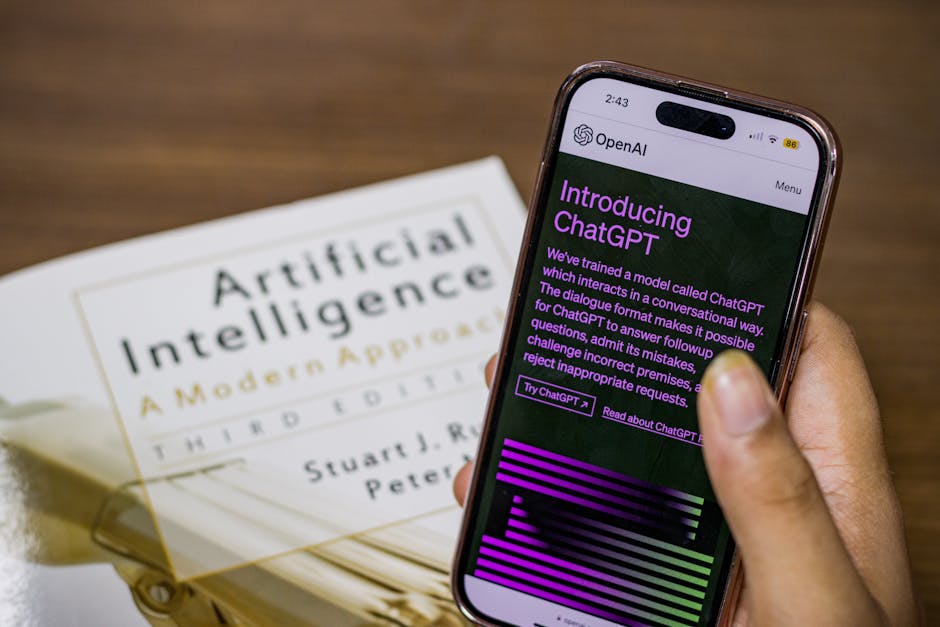
Not surprisingly, the quality gap between AI-generated traffic and traditional search results reveals a fundamental shift in customer behavior. When ChatGPT recommends a service business, that recommendation carries the weight of a trusted advisor rather than a search result. Users who discover businesses through AI platforms arrive with higher intent, deeper research completion, and stronger purchase readiness, the marketing experts at NJLocalinfo.com explain.
This conversion advantage stems from AI's contextual understanding of user needs. Unlike traditional search engines that match keywords, AI systems analyze the full conversation, user intent, and situational factors to deliver personalized recommendations. The result transforms casual browsers into qualified prospects who contact businesses with specific requirements and realistic budgets.
New Jersey service businesses using AI citations report dramatically improved lead quality compared to traditional search traffic. The multicasting approach amplifies this advantage by ensuring consistent visibility across the AI platforms where today's customers conduct their research.
Why Multicasting Beats Single-Platform Marketing
1. Customers Research Across Multiple Platforms Before Buying
Modern buyers conduct extensive research before hiring service providers, spreading their investigation across search engines, social media, video platforms, AI tools, and review sites. The average customer interacts with multiple touchpoints during their decision-making process, comparing options and validating choices through various information sources.
Service businesses relying on single-platform strategies miss substantial potential customer touchpoints. A plumber visible only on Google Search loses opportunities when customers research on YouTube, ask questions on ChatGPT, or browse social media for local recommendations. Multicasting ensures presence wherever customers look.
2. AI Systems Prioritize Multi-Channel Business Presence
AI platforms evaluate businesses based on their digital ecosystem strength rather than individual platform performance. A company with consistent information across directories, social media, websites, and review platforms signals trustworthiness and authority to AI systems. This multi-channel validation becomes a ranking factor in AI recommendations.
ChatGPT and similar AI tools cross-reference business information from multiple sources before making recommendations. Businesses with fragmented or limited online presence struggle to earn AI citations, while those with multicasting strategies consistently appear in AI-generated results.
3. Algorithm Changes Can't Kill Diversified Traffic
Platform dependency creates vulnerability to algorithm updates, policy changes, and competitive shifts. Businesses relying solely on Google SEO or Facebook advertising face existential threats when platforms modify their systems. Multicasting distributes risk across numerous traffic sources, creating algorithm-resistant business growth.
The 2026 digital environment demands diversification as AI platforms reshape search behavior. Traditional SEO remains important, but businesses need a presence across emerging AI tools, voice search platforms, and visual discovery systems to maintain a competitive advantage.
8 Content Formats That Generate AI Citations
1. Structured FAQ Pages with Direct Answers
AI platforms prioritize content that provides immediate, actionable answers to user questions. FAQ pages structured with clear questions and concise responses create ideal citation opportunities for ChatGPT and similar systems. Each FAQ entry should function as a self-contained answer unit that AI systems can extract and reference.
Effective FAQ content addresses specific service-related questions using natural language patterns. Instead of generic questions like "What services do you offer?", successful FAQ pages tackle specific scenarios: "How much does emergency plumbing repair cost in New Jersey?" or "What permits are required for HVAC installation in Newark?"
2. Service-Specific Blog Posts with Clear Descriptions
Blog content optimized for AI citation combines detailed service explanations with practical guidance. AI systems favor articles that demonstrate expertise through specific examples, technical details, and step-by-step processes. Service businesses should create content that educates while showcasing their knowledge and capabilities.
The most effective blog posts for AI citation address common customer problems with specific solutions. A roofing contractor might publish "Complete Guide to Storm Damage Assessment in New Jersey" rather than generic roofing information. This specificity improves both AI citation potential and customer value.
3. Video Content for YouTube and Social Platforms
Video content creates multiple citation opportunities through transcripts, descriptions, and embedded structured data. AI systems can analyze video transcripts for relevant information while using visual cues and audio content to understand service capabilities. YouTube's integration with various AI platforms amplifies citation potential.
Service demonstration videos perform particularly well for AI citation. An electrician showing proper panel installation or an HVAC technician explaining system maintenance provides AI systems with rich, citable content that demonstrates competence and builds trust signals.
4. Podcast Authority Building for Brand Trust Signals
Podcast content establishes authority and expertise that AI systems recognize when making recommendations. Regular podcast appearances or hosting industry discussions create citation-worthy content while building the trust signals that AI platforms prioritize. Podcast directories distribute this content across multiple platforms, amplifying citation opportunities.
Local service business owners can use podcast content by discussing industry trends, sharing case studies, and providing expert commentary. These appearances create citation opportunities while building the brand recognition that supports overall AI visibility.
Distribution Strategy: Multiple Platforms for Maximum Reach
Search Engines Beyond Google
Search engine distribution includes Bing, Yahoo, DuckDuckGo, and dozens of specialized search platforms. Each engine uses different algorithms and ranking factors, creating multiple pathways to customer discovery. Bing's integration with ChatGPT makes it particularly valuable for AI citation strategies.
Regional and industry-specific search engines provide additional citation opportunities. HomeAdvisor, Angie's List, and similar platforms function as search engines for service-specific queries while contributing to overall digital presence strength.
Social Media Cross-Platform Optimization
Social media optimization extends beyond Facebook and Instagram to include LinkedIn, Pinterest, Twitter, and emerging platforms. Each platform requires content adapted to its specific format and audience expectations while maintaining consistent business information and messaging.
Social media signals influence AI recommendation algorithms through engagement metrics, share patterns, and user-generated content. Businesses with an active, engaging social media presence earn citation preference over those with minimal social footprints.
AI Tool Integration and Voice Search
Direct integration with AI tools requires structured data implementation and platform-specific optimization. Voice search optimization focuses on conversational query patterns and local intent signals. Smart speaker integration creates additional citation opportunities through voice-activated business discovery.
AI tool optimization involves understanding how different platforms process and present business information. ChatGPT, Perplexity, Claude, and other AI systems have unique preferences for content format, source credibility, and information structure.
Visual Search with Structured Data Support
Visual search platforms like Pinterest, Google Lens, and social media image search require optimized visual content with structured data markup. Images of completed projects, before-and-after comparisons, and service process documentation create citation opportunities through visual discovery.
Structured data implementation helps AI systems understand image content and context. Service businesses should include schema markup for images, locations, and services to improve visual search visibility and AI citation potential.
The Shift from Traditional Search to AI Discovery
As artificial intelligence continues to reshape digital discovery, local visibility no longer depends on a single search platform. The transition from keyword-based indexing to context-driven AI recommendations signals a structural shift in how service providers are surfaced to potential customers. Businesses that maintain consistent, authoritative information across search engines, directories, social platforms, and emerging AI tools are more likely to appear in high-intent search results.
In this evolving environment, diversified digital presence functions less as a marketing tactic and more as foundational infrastructure. Multiplatform visibility, structured content, and AI-ready information architecture increasingly define competitive positioning in New Jersey’s service economy — not only for today’s search behavior, but for the AI-driven discovery systems shaping 2026 and beyond.
NJLocalInfo.com
City: Union City
Address: PO Box 769
Website: https://njlocalinfo.com


Comments
Post a Comment