Why Women Start To Lose Hair After 40: Top Tips To Stimulate Growth
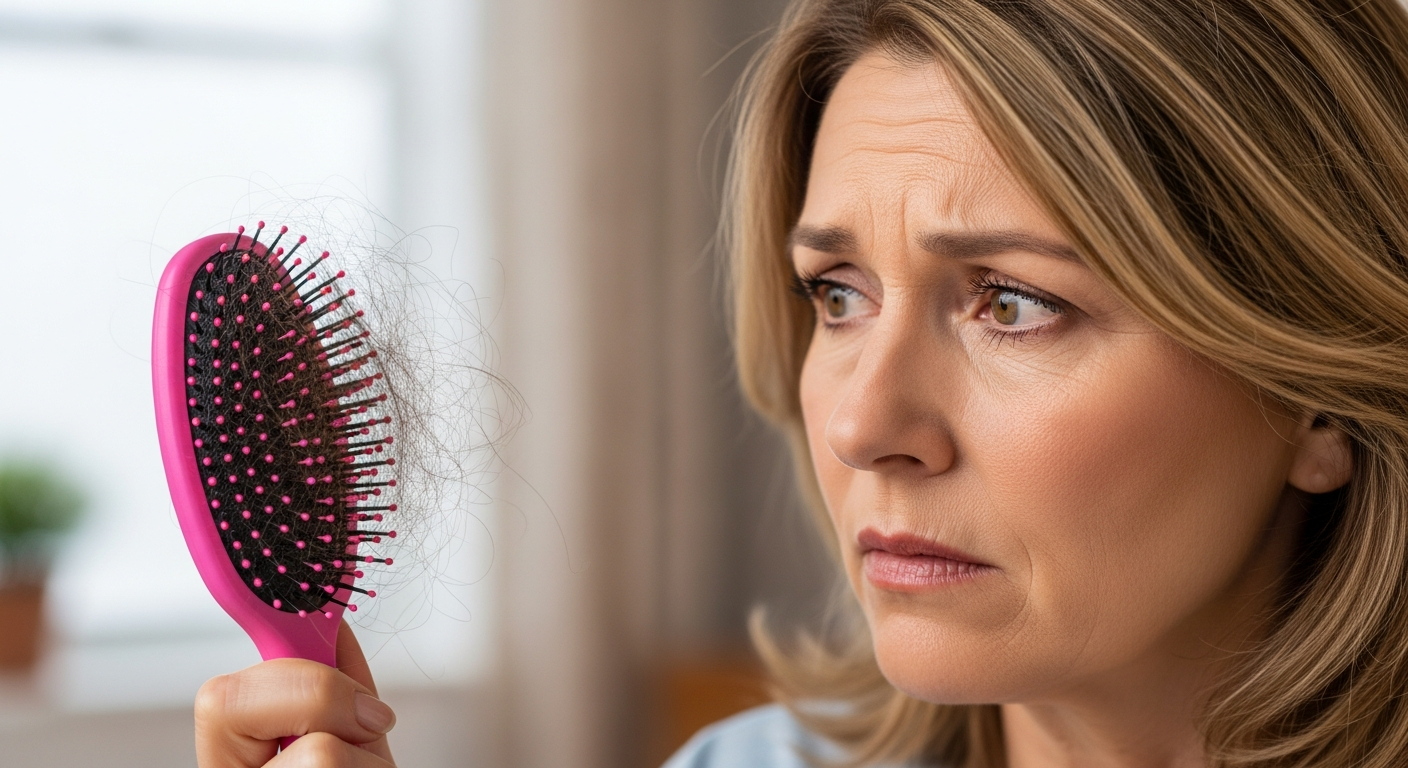
Hair thinning after 40 doesn't have to be inevitable. While hormonal changes play a significant role in female hair loss, understanding the underlying causes empowers women to take proactive steps toward healthier, fuller hair. From medical interventions to natural remedies, multiple pathways exist to address this common concern and restore confidence.
Hair Loss Becomes More Common After 40
Hair loss can begin after 40 and by age 50, 40% of women will experience some form of hair loss, often triggered by the perfect storm of hormonal shifts, aging, and accumulated stress. The numbers climb even higher as women enter their sixties, with more than 50% of women over age 50 experiencing female pattern hair loss on the crown of their heads.
Unlike male pattern baldness, which typically presents as a receding hairline, women experience a different pattern entirely. Female pattern hair loss usually begins at the top of the head, with the part gradually widening and the crown area becoming more visible. Women rarely progress to complete baldness; instead, they notice their hair becoming progressively thinner, with individual strands losing their former thickness and density.
Hormonal Changes Drive Female Pattern Hair Loss
1. Declining Estrogen Shifts Hormonal Balance
Estrogen acts as hair's best friend, promoting growth and maintaining thickness throughout a woman's reproductive years. As estrogen levels plummet during perimenopause and menopause, this protective hormone can no longer counterbalance the effects of androgens like testosterone and DHT. The result? A shift in hormonal balance that creates the perfect environment for hair follicle miniaturization.
2. DHT Shrinks Hair Follicles Over Time
Dihydrotestosterone (DHT) earned its reputation as the "balding hormone" for good reason. This potent androgen binds to hair follicle receptors, causing them to shrink progressively over time. As follicles miniaturize, they produce thinner, weaker hairs that eventually stop growing altogether.
3. Menopause Accelerates Thinning Patterns
Menopause acts as an accelerator for hair loss patterns that may have been developing slowly for years. The dramatic hormone fluctuations during this transition can trigger telogen effluvium, a condition where hair prematurely enters the shedding phase.
Beyond Hormones: Other Causes of Hair Loss
1. Genetics and Family History
Genetics loads the gun; hormones pull the trigger. Women with mothers, grandmothers, or aunts who experienced thinning hair face significantly higher risks of developing similar patterns. The genetic component of androgenetic alopecia means that some women's follicles are simply more sensitive to DHT's effects, making them more vulnerable when hormone levels shift.
2. Medical Conditions (PCOS, Thyroid, Autoimmune)
Polycystic Ovary Syndrome (PCOS) affects hair through elevated androgen levels, creating female pattern hair loss in women as young as their twenties. The condition's impact on insulin sensitivity and hormone production creates a complex web of factors that contribute to follicle damage and thinning hair.
Both hyperthyroidism and hypothyroidism can disrupt normal hair growth cycles, causing diffuse thinning, brittle texture, and slow regrowth. Autoimmune conditions like alopecia areata create patchy hair loss when the immune system mistakenly attacks healthy follicles.
3. Nutritional Deficiencies and Medications
Iron deficiency stands as one of the most common nutritional causes of hair loss in women. Heavy menstrual periods, poor dietary choices, or absorption issues can create chronic iron deficiency that starves follicles of nutrients needed for healthy growth.
Medications prescribed for other health conditions sometimes trigger unexpected hair loss as a side effect. Blood thinners, antidepressants, blood pressure medications, and certain supplements can contribute to thinning hair.
4. Stress and Lifestyle Factors
Chronic stress elevates cortisol levels, which can push hair follicles into premature shedding phases. The stress doesn't have to be dramatic; ongoing work pressure, caregiving responsibilities, or financial concerns can maintain cortisol levels high enough to disrupt normal hair cycles.
Lifestyle factors compound the problem. Poor sleep quality, restrictive dieting, excessive heat styling, and tight hairstyles all contribute to hair damage and loss. These factors may seem minor individually, but their cumulative effect can accelerate genetically predisposed hair loss patterns.
Medical Treatments That Actually Work
1. Minoxidil: The Only FDA-Approved Option (side effects and irritation)
Minoxidil remains the only FDA-approved medication specifically designed to treat female pattern baldness. Available over-the-counter in both foam and liquid formulations, this topical treatment can slow hair loss and potentially stimulate new growth in some women.
Common side effects include scalp irritation, redness, and unwanted facial hair growth if the product migrates during application. Many women find the daily application routine cumbersome, and discontinuing use results in losing any gains achieved during treatment.
2. Prescription Medications (Spironolactone, Finasteride)
Spironolactone, originally developed as a blood pressure medication, blocks androgen receptors and reduces androgen production, which can help mitigate the effects of androgens like DHT.
Finasteride, is sometimes used off-label specifically for post-menopausal women due to potential risks in pre-menopausal women. The medication works by inhibiting the enzyme that converts testosterone to DHT.
3. Advanced Therapies (PRP, Microneedling, Transplants)
Platelet-rich plasma (PRP) injections have gained popularity as a natural approach to hair restoration. The treatment uses the patient's own blood, processed to concentrate growth factors that may stimulate dormant follicles and improve hair density.
Microneedling combined with topical treatments can improve absorption and effectiveness of applied solutions. The tiny wounds created by the needling process may also trigger the body's healing response, potentially encouraging hair growth through increased blood flow.
For women with significant hair loss, hair transplant procedures offer the most dramatic and permanent results but are expensive.
Natural Methods to Stimulate Hair Growth
1. Optimize Scalp Health Through Nutrition and Massage
A healthy scalp provides the foundation for strong, resilient hair by supporting follicles and maintaining proper pH balance.
Daily scalp massage increases blood circulation to hair follicles, delivering nutrients and oxygen needed for growth. Spending just five minutes massaging the scalp with fingertips can strengthen follicles and improve hair thickness over time.
Nutritional support plays an equally important role in hair health. Deficiencies in vitamins B, D, C, and E, along with minerals like iron, zinc, and magnesium, can significantly impact follicle strength and growth patterns.
2. Essential Oils That Support Hair Growth
Research has shown that certain essential oils, such as rosemary oil, can be effective for stimulating hair growth, with some studies comparing its effectiveness favorably to minoxidil.
Castor oil benefits include moisturizing and anti-inflammatory properties. The oil's unique ricinoleic acid content helps reduce inflammation around hair follicles while improving circulation to the scalp. Its thick consistency provides conditioning benefits that can improve overall scalp health and hair appearance.
3. Nature-based Ingredients to Look For
Caffeine applied topically can stimulate hair follicles and counteract the effects of DHT. Studies show that caffeine has similar efficacy to minoxidil. It penetrates the hair shaft and may extend the growth phase of the hair cycle, resulting in longer, stronger strands.
Biotin deficiency has been directly linked to hair loss and brittle hair texture. The B-vitamin plays a crucial role in keratin production, the protein that forms the structure of hair strands.
Rice water, rich in amino acids and vitamins, has been used for centuries to promote hair growth and shine, and the fermented version is believed to offer additional benefits.
4. Lifestyle Changes for Stronger Follicles
Managing stress through mindfulness, regular exercise, and adequate sleep is vital for healthy hair growth. High cortisol levels from chronic stress can push hair follicles into premature shedding phases and create inflammation that inhibits regrowth.
Quality sleep allows the body to repair and regenerate, including hair follicles. During deep sleep phases, growth hormone production peaks, supporting cellular repair processes needed for healthy hair growth.
Regular exercise improves circulation throughout the body, including blood flow to the scalp. Better circulation delivers more nutrients and oxygen to hair follicles while helping remove metabolic waste products that could impair follicle function.
Regrow Naturally and Reclaim Confidence
The path to healthier, thicker hair after 40 requires patience and consistency, but the results are worth the effort. Whether choosing medical treatments, natural approaches, or a combination of both, success depends on addressing the underlying causes of hair loss while supporting optimal follicle health.
Many women find that natural methods offer the best long-term solution with fewer side effects and lower costs than ongoing medical treatments. Essential oils, proper nutrition, scalp massage, and lifestyle modifications work synergistically to create an environment where hair can thrive naturally.
Hair growth cycles take time, and improvements may not be visible for several months. However, women who commit to dedicated hair care routines often see significant improvements in hair thickness, strength, and overall appearance within six to twelve months.
Trybello LLC
City: Miami
Address: 40 SW 13th St
Website: https://trybello.com/


Comments
Post a Comment