Why Does My Son’s Arm Hurt After Pitching? Causes & Pain Relief Tips
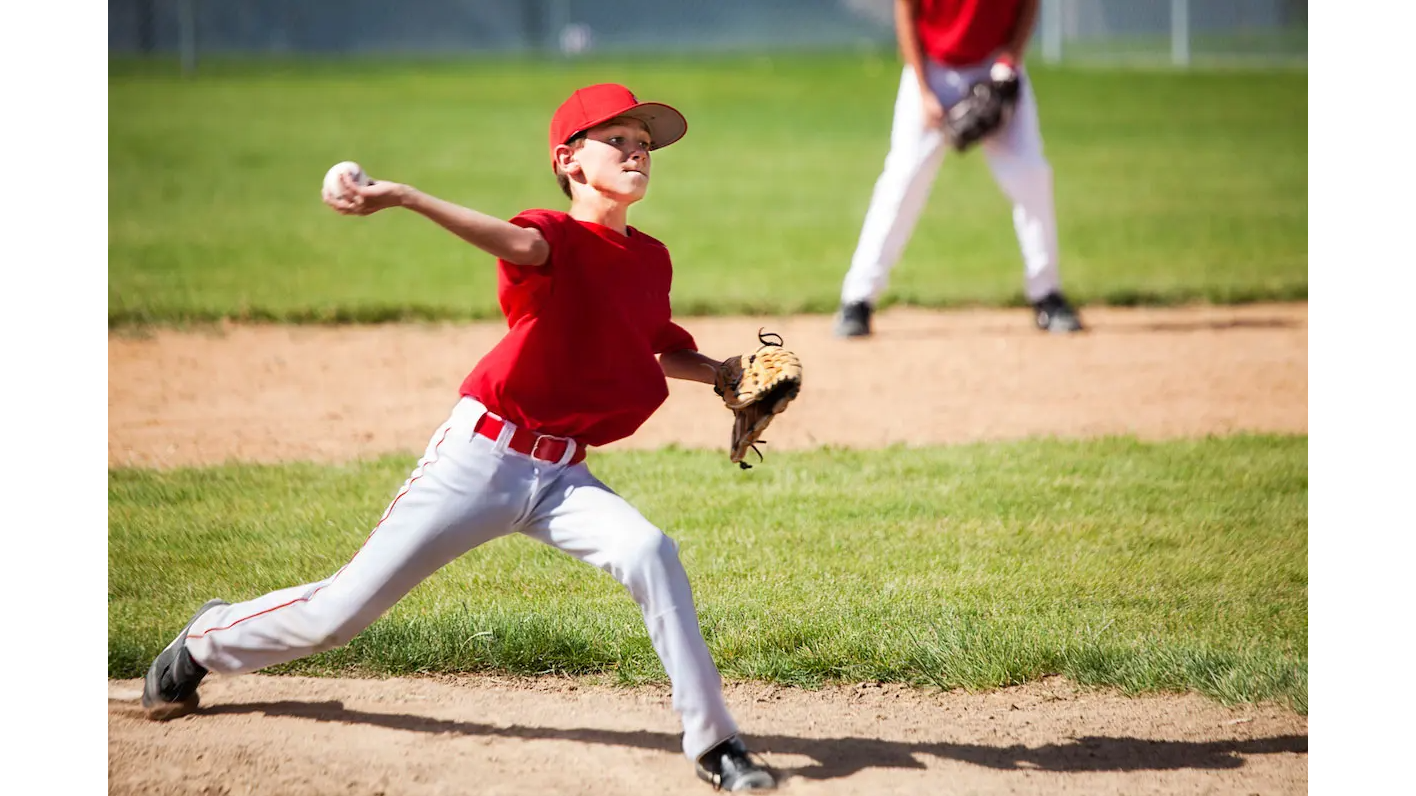
Over the past 30 years, arm injuries in youth baseball have skyrocketed dramatically, occurring 16 times more often today than in previous generations. While about 20% of 8 to 12-year-olds report arm pain during the season, that troubling figure nearly doubles to 45% among athletes aged 13 and 14.
When your son complains about arm soreness after pitching, knowing what to do next makes all the difference between quick recovery and lasting damage. This guide covers why young arms hurt, which warning signs demand immediate attention, and proven steps to relieve pain while keeping youth pitchers healthy for the long haul.
Why Young Arms Break Down
Throwing a baseball creates massive stress on bones, muscles, and tendons that haven't finished growing yet in young athletes. Think of the pitching motion like a whip—power starts in the legs, moves through the core, then explodes out through the arm with tremendous force. If any part of that chain weakens or fails, the arm takes on way too much force that it wasn't designed to handle alone.
Overuse causes the vast majority of youth pitching injuries seen by sports medicine doctors today. When muscles get tired, they stop absorbing shock properly and dump all that stress onto bones instead, which cannot withstand such repetitive force. That's when tiny stress fractures start forming in the elbow, often going unnoticed until the pain becomes severe and persistent. Meanwhile, the nerve running through the elbow gets stretched repeatedly during the throwing motion, creating those sharp, electric-shock feelings that can shoot down into the fingers.
Bad throwing mechanics make everything worse and compound the physical stress on developing arms significantly. Whether from rushed development, poor coaching, or just not knowing better, inefficient movement patterns force the arm to work overtime to compensate for other weaknesses. Beyond reducing speed and accuracy on the mound, this compensation adds substantial injury risk with every single pitch thrown during practice or games.
Spotting the Red Flags Before It's Too Late
Pain works as your body's alarm system, but young athletes often hide discomfort because they desperately don't want to sit out games. That makes paying close attention even more important as a parent who wants to protect their child's long-term health. Some symptoms need careful watching and monitoring, while others demand immediate medical attention without delay.
Watch for these warning signs that indicate something may be seriously wrong with your son's throwing arm:
- Soreness that sticks around more than a day after throwing, rather than fading naturally with rest
- Sharp pain during the actual throwing motion, especially during acceleration or follow-through phases
- Swelling you can see around the elbow or shoulder joints, which indicates active inflammation
- Drops in throwing speed or control that seem sudden and can't be explained by other factors
- Numbness, tingling, or shock-like sensations running down the arm that don't resolve within minutes
Any complaint about arm soreness or unusual fatigue means at least one full week off from all throwing activities without exception. This might seem overly cautious to competitive parents and coaches, but minor inflammation can quickly turn into structural damage requiring months of recovery or even surgical intervention.
The Three Most Common Pitcher Injuries
Not all arm pain comes from the same place, and where it hurts often points directly to what's actually wrong with the throwing arm. Understanding these differences helps you know what you're dealing with and whether immediate medical attention becomes necessary for your young pitcher.
Stress fractures in the elbow happen when exhausted muscles can't cushion the bones anymore during repetitive throwing motions throughout games and practices. Hairline cracks form in the bone and get progressively worse without adequate rest periods built into the training schedule. These fractures typically create a dull ache that gets noticeably stronger during and immediately after pitching sessions on the mound.
Nerve problems show up differently than stress fractures and require different treatment approaches from medical professionals. When the elbow nerve gets stretched and irritated repeatedly through the throwing motion, it causes sensations very similar to electric shocks shooting through the arm. Young pitchers often notice their grip getting progressively weaker over time, along with persistent numbness in the ring and pinky fingers that doesn't resolve with rest.
Shoulder injuries usually involve the rotator cuff muscles that stabilize the joint when the arm slows down violently after ball release. Deep, aching pain appears in the front or back of the shoulder depending on which specific muscles are affected by the injury. This type of injury often makes it hard to lift the arm overhead or move it through its full range without experiencing significant discomfort.
Smart Prevention Starts With Pitch Counts
Following established pitch limits cuts injury rates dramatically among youth players at all competitive levels across the country. Here's what the research recommends:
Age-Appropriate Pitch Count Limits:
- Ages 11-12: Maximum 75 pitches per game
- Ages 15-16: Maximum 90 pitches per game
- Ages 17-18: Maximum 105 pitches per game
But here's what many well-meaning parents miss in their enthusiasm to help their young athletes succeed through baseball. Young pitchers should only compete once per week until they reach age fifteen to allow adequate recovery time between high-stress performances. Playing on multiple teams simultaneously or pitching more than once daily creates cumulative fatigue that blows past any per-game pitch count limits.
When to Introduce Different Pitch Types:
- Fastballs: Safe at any age with proper mechanics
- Curveballs: Not before age 14
- Sliders: Not before age 16
- Other breaking pitches: Only with professional instruction after age 14
Year-round baseball participation has become increasingly normal in competitive youth sports, but it's also a major risk factor for serious overuse injuries. Young athletes need at least one full season completely away from throwing each year to allow tissues to recover fully from the accumulated stress. This break lets arm tissues heal while building other athletic skills through different sports—which actually improves overall baseball performance in the long run.
What to Do When Pain First Shows Up
When your son complains of arm soreness, taking immediate action can prevent minor issues from becoming major injuries. Here's exactly what to do:
Immediate Steps to Take:
- Stop throwing completely - No exceptions, even if it's an important game or tournament coming up
- Rest for at least one week - Most specialists recommend minimum seven days off from all throwing activities
- Apply ice regularly - 15-20 minutes at a time, several times daily, with cloth between ice and skin
- Monitor symptoms closely - Track whether pain improves, stays the same, or gets worse with rest
Anti-inflammatory medication can ease symptoms and make your son more comfortable, though you should check with your pediatrician about the right dose for your child's specific age and weight. These medicines reduce swelling and pain effectively but don't actually speed up the healing process itself—they just make your son more comfortable while his body repairs damaged tissue.
When to See a Sports Medicine Doctor
Certain symptoms need professional medical attention right away from doctors who specialize in sports-related injuries in young athletes. Schedule an appointment without delay if arm pain lasts more than one week despite adequate rest, if you notice visible swelling around joints, or if your son reports persistent numbness or tingling sensations that don't go away quickly with standard home treatment.
Doctors usually start with a thorough physical exam and detailed questions about how the injury happened before ordering any diagnostic imaging studies. X-rays or MRIs can reveal stress fractures, growth plate damage, or soft tissue injuries that can't be detected just by examining the arm through physical assessment alone.
Treatment approaches depend entirely on what's actually injured and how severe the damage is to bones, muscles, tendons, or nerves. Most cases get better with structured rest periods combined with physical therapy that rebuilds strength and fixes mechanical problems in the throwing motion. Physical therapists who specialize in baseball athletes understand exactly what pitching demands from young bodies and can design targeted rehabilitation programs that restore full function while significantly reducing the chance of getting hurt again.
Severe cases involving torn ligaments or major structural damage to the elbow or shoulder might need surgical intervention to repair properly. Tommy John surgery, which reconstructs the main ligament in the elbow through a complex procedure, has become way too common even among youth players these days. This trend concerns many sports medicine experts deeply since these serious injuries are mostly preventable through proper training, adequate recovery, and following established pitch count guidelines.
Final Thoughts
Arm pain in young pitchers rarely happens by chance or represents simply bad luck beyond anyone's control in youth sports. These injuries develop from identifiable causes related to overuse, poor mechanics, and inadequate rest that informed parents can address proactively before serious damage occurs.
Understanding warning signs and taking prompt action protects developing arms from permanent damage that could end athletic careers before they truly begin. One missed game or tournament matters far less than the potential consequences of ignoring early symptoms that signal serious underlying problems. Most young athletes find their way back to healthy, pain-free pitching when families commit to evidence-based practices that prioritize wellbeing over winning at all costs or satisfying parental ambitions.
VeloRESET
City: Fresno
Address: 8930 North 6th Street
Website: https://www.veloreset.com/


Comments
Post a Comment