Who To Call For Wildlife Removal In Virginia ToPrevent Disease Exposure
Key Takeaways
- Wildlife infestations throughout Northern Virginia expose families to deadly airborne diseases like hantavirus with a 36-50% mortality rate and histoplasmosis from bat droppings.
- Animal waste contaminates indoor air with ammonia, bacteria, and allergens that trigger respiratory problems and worsen asthma conditions.
- Professional removal services safely eliminate contaminated materials and parasites that homeowners cannot handle with standard cleaning methods.
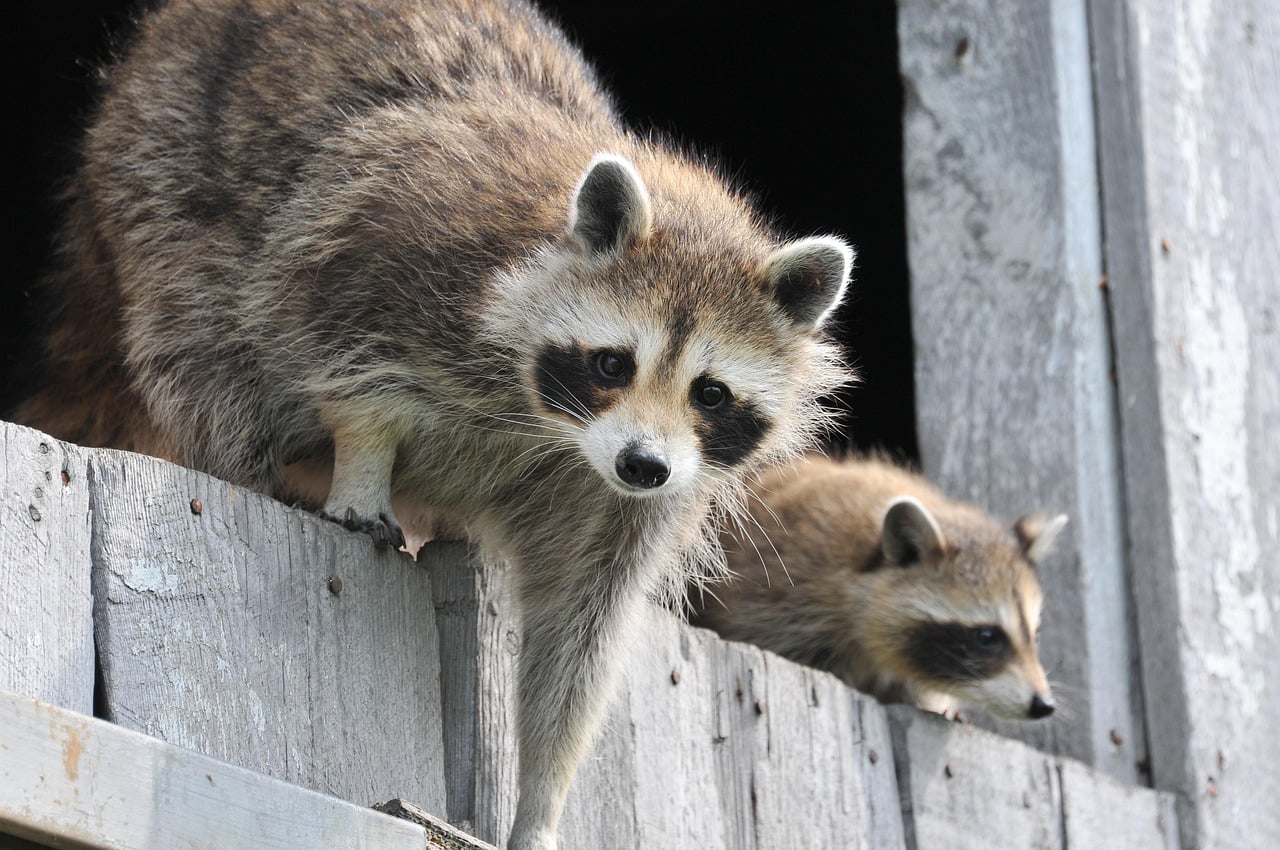
- Raccoon roundworm causes severe neurological damage when airborne particles from feces are inhaled or ingested.
Silent Health Threats Lurk in Wildlife-Infested Homes
Most homeowners recognize the obvious signs of wildlife infestations - strange scratching sounds in the attic, droppings in the basement, or glimpses of raccoons near garbage cans. What remains hidden from view poses far greater risks to family health than the animals themselves. The real danger lies in the contamination these uninvited guests leave behind, creating a toxic environment that can persist long after the animals have moved on.
Wildlife droppings, urine, nesting materials, and parasites transform ordinary homes into breeding grounds for serious diseases. These health hazards often go undetected for months, silently compromising indoor air quality and exposing families to life-threatening pathogens. Unlike visible property damage that prompts immediate action, these invisible threats accumulate gradually until they reach dangerous levels.
Professional wildlife removal specialists understand that effective treatment requires more than simply removing the animals - it demands thorough decontamination and sanitization to eliminate these hidden health risks.
Deadly Diseases Animals Spread Through Your Air
1. Histoplasmosis From Bat Guano Becomes Airborne When Disturbed
Bat droppings contain Histoplasma capsulatum, a fungus that grows in accumulated guano and becomes airborne when disturbed. This respiratory illness develops when people inhale the microscopic spores during routine activities like attic cleanouts or home renovations. The fungal spores can remain viable in dry conditions for years, turning forgotten corners of homes into potential exposure zones.
Case studies reveal that individuals who unknowingly disturbed bat guano while using it as garden fertilizer developed severe respiratory symptoms requiring hospitalization. The disease affects the lungs primarily but can spread to other organs in severe cases, making early detection and professional remediation critical for preventing serious health complications.
2. Hantavirus From Rodent Droppings Has High Mortality Rate (36-50%)
Rodent droppings, urine, and nesting materials harbor hantaviruses that cause Hantavirus Pulmonary Syndrome (HPS), a potentially fatal respiratory disease. Approximately 200 cases of Hantavirus Pulmonary Syndrome occur each year in North and South America, with early outbreaks showing mortality rates reaching 50 percent. The virus becomes airborne when dried rodent waste is disturbed during cleaning or renovation activities.
Unlike other wildlife-related diseases that develop gradually, hantavirus symptoms appear suddenly and progress rapidly. Initial flu-like symptoms quickly escalate to severe respiratory distress, and that's exactly when immediate medical intervention is needed. The high mortality rate underscores why professional handling of rodent-contaminated areas is never optional - it's a life-or-death decision.
3. Raccoon Roundworm Causes Severe Neurological Damage
Baylisascaris procyonis eggs shed in raccoon feces pose an extreme neurological threat to humans. These microscopic parasite eggs become airborne in dry conditions and can cause devastating brain damage when inhaled or accidentally ingested. The parasite larvae migrate through human tissue, particularly affecting the nervous system and eyes.
Children face especially high risks due to their tendency to put objects in their mouths and play in areas where contaminated soil might be present. The neurological damage from raccoon roundworm infection is often permanent and severe, including blindness, loss of coordination, and cognitive impairment. Professional removal ensures proper protective equipment and disposal methods prevent these tragic outcomes.
How Wildlife Contamination Destroys Indoor Air Quality
Ammonia and Bacterial Growth From Animal Waste
Accumulated animal waste generates high concentrations of ammonia gas that permeates throughout homes, creating breathing difficulties and eye irritation. This toxic gas doesn't remain confined to attic spaces or basements - it infiltrates living areas through ventilation systems and structural gaps, exposing entire families to respiratory irritants.
The presence of ammonia in animal waste, combined with warm, moist conditions, can contribute to the proliferation of bacteria, including dangerous pathogens like salmonella and leptospirosis. These bacteria multiply rapidly in the warm, moist environment created by animal waste, turning contaminated areas into biological hazards that threaten family health through both airborne transmission and surface contact.
Allergens From Dried Rodent Urine Become Airborne
Dried rodent urine contains potent protein allergens that become airborne particles when disturbed. These microscopic allergens trigger severe reactions in sensitive individuals, causing persistent respiratory irritation, chronic coughing, and worsened asthma symptoms. Unlike seasonal allergens that fade over time, these proteins can remain active for long periods in undisturbed areas.
Standard home cleaning methods can't effectively remove these embedded allergens from insulation, wood surfaces, and structural materials. The proteins bind to various materials and require specialized cleaning agents and techniques to neutralize completely, explaining why professional decontamination becomes necessary for restoring healthy indoor air quality.
Parasites and Secondary Disease Vectors Wildlife Introduce
Fleas, Ticks, and Mites Carry Additional Diseases
Wildlife infestations introduce armies of parasites that establish independent breeding cycles within homes. Fleas and mites arrive as passengers on their animal hosts but quickly spread throughout living spaces, creating secondary infestations that persist long after the original wildlife has been removed. While ticks may also be introduced, they are less likely to establish breeding populations indoors, as they typically prefer to lay their eggs outside in soil.
These parasites serve as disease vectors for serious illnesses including Lyme disease, murine typhus, and Rocky Mountain spotted fever. Unlike their wild animal hosts that eventually leave, these parasites find comfortable breeding conditions in carpets, upholstery, and bedding, where they continue reproducing and seeking human blood meals for sustained periods.
Bacterial Infections From Contaminated Food and Water
Wildlife contamination goes way beyond direct contact zones to affect food storage areas and water sources throughout homes. Animals track bacteria from their waste to kitchen surfaces, pantry areas, and water lines, creating multiple exposure pathways for dangerous infections.
Salmonellosis and leptospirosis bacteria spread through contaminated surfaces and can enter the human body through small cuts, mucous membranes, or accidental ingestion. These infections cause severe gastrointestinal symptoms, fever, and in the case of leptospirosis, potential kidney and liver damage requiring immediate medical treatment.
How Professional Removal Protects Your Family's Health
Safe Contaminated Material Removal and Sanitization
Professional wildlife removal involves systematic decontamination protocols that eliminate health threats homeowners cannot address safely. Trained technicians use specialized equipment to contain contaminated areas, preventing the spread of pathogens during the removal process. They understand which materials can be cleaned versus those requiring complete replacement.
Trained pros also apply hospital-grade disinfectants, treat affected insulation and structural materials, and use HEPA filtration systems to remove airborne contaminants. This thorough approach ensures that invisible threats are eliminated along with obvious signs of infestation.
Proper Protective Equipment and Training Required
Wildlife removal professionals utilize full respiratory protection, protective clothing, and specialized tools designed for biohazard remediation. This equipment prevents exposure to airborne pathogens and contaminated materials that could cause serious illness or injury to untrained individuals attempting DIY removal.
Professional training includes understanding animal behavior, disease transmission pathways, and proper disposal methods for contaminated materials. This expertise prevents common mistakes like sealing animals inside structures, incomplete waste removal, or inadequate decontamination that allows health threats to persist and worsen over time.
Pest Control Technicians Eliminate Health Risks Others Miss
Effective wildlife removal requires an understanding of both the visible and invisible threats that animals bring into homes. While many homeowners focus solely on getting rid of the animals themselves, the contamination they leave behind poses ongoing health risks that demand professional attention. From deadly airborne diseases to persistent allergens and dangerous parasites, wildlife infestations create complex health challenges that extend far beyond simple pest control.
The statistics surrounding wildlife-related diseases paint a sobering picture - hantavirus mortality rates of up to 50 percent, permanent neurological damage from raccoon roundworm, and chronic respiratory conditions from bat guano exposure. These aren't distant threats affecting other communities; they're real risks facing families dealing with wildlife infestations right now.
Professional removal services provide the thorough solution needed to protect family health. Through proper protective equipment, specialized sanitization techniques, and complete contamination removal, trained professionals eliminate both obvious and hidden health threats that persist long after animals are gone. The investment in professional wildlife removal isn't just about convenience - it's about protecting the most valuable asset any family has: their health.
Connor's Pest Pros
City: Springfield
Address: 5410 Port Royal Rd
Website: https://connorspestpros.com/contact/


Comments
Post a Comment