Which Electrical Panels Are Unsafe: Fort Worth Electrician Identifies Fire Risks
Key Takeaways
- Federal Pacific, Zinsco, and some Sylvania electrical panels pose serious fire hazards due to breakers that fail to trip during overloads, with Federal Pacific panels potentially causing 2,800 fires annually.
- Insurance companies actively blacklist these hazardous panel brands, often refusing coverage or demanding replacement as a condition of insuring properties.
- Warning signs include frequent breaker trips, burning odors, buzzing sounds, and scorch marks around your electrical panel.
- Fort Worth homeowners need proper permits and NEC code compliance when replacing dangerous electrical panels.
- Modern panel replacements with AFCI protection significantly reduce fire risk compared to these obsolete brands.
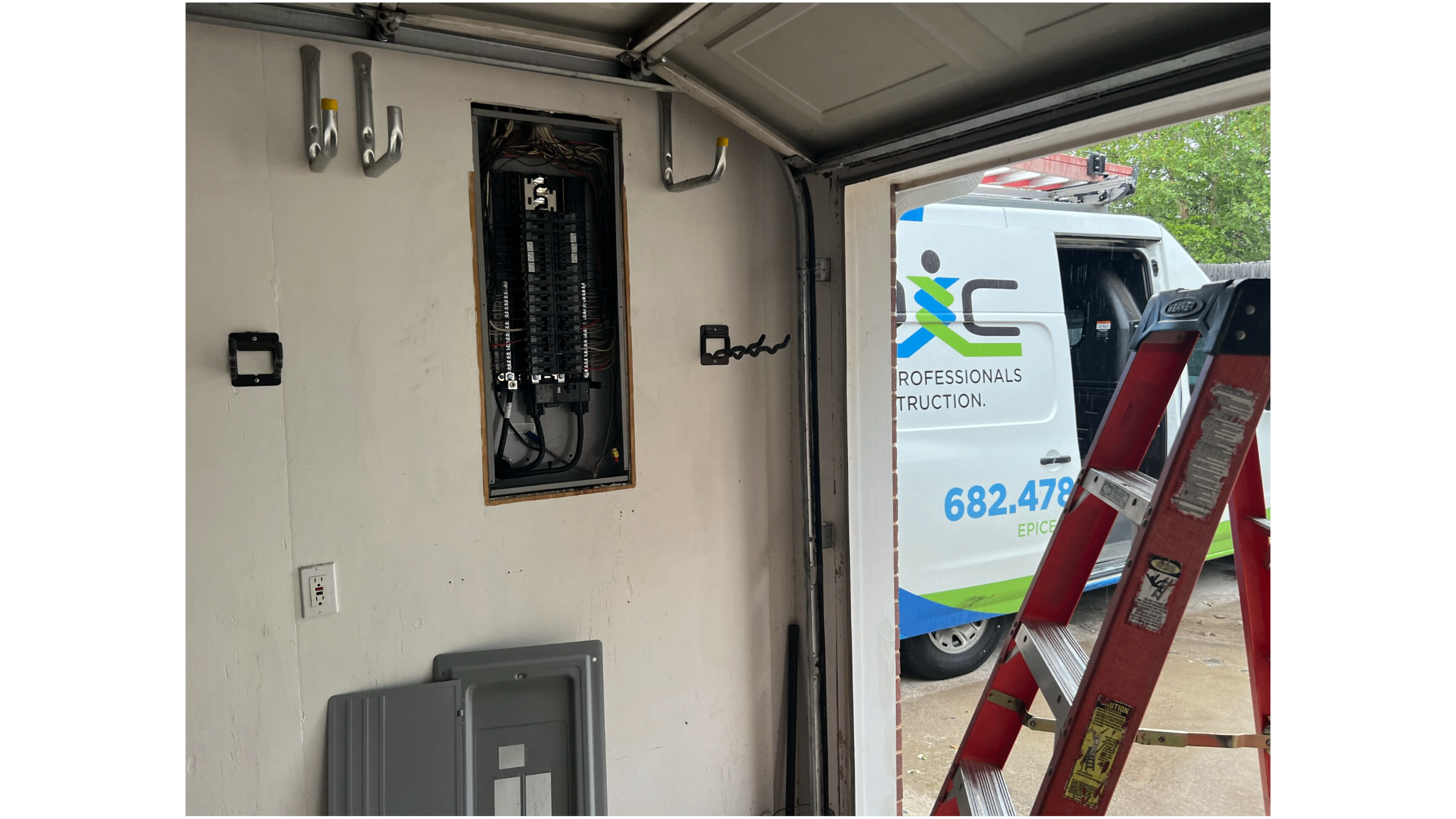
Electrical panel safety represents one of the most critical yet overlooked aspects of home maintenance in Fort Worth. While many homeowners focus on visible home improvements, the electrical panel quietly manages every circuit in the house—and when it fails, the consequences can be devastating. The pros at Epic Electrical explain.
Three Panel Brands Pose Serious Fire Risks
Federal Pacific Electric (FPE) Stab-Lok panels and Zinsco electrical panels represent the most dangerous electrical components commonly found in DFW-area homes. Additionally, a small number of Sylvania panels were built on the Zinsco platform, and share the same problems. These panels, manufactured primarily between the 1950s and 1980s, share a critical flaw that makes them genuine fire hazards rather than minor inconveniences.
All three panel types suffer from the same fundamental problem: their circuit breakers frequently fail to trip during electrical overloads or short circuits. When a breaker should shut off power to prevent overheating and fires, these panels often continue allowing dangerous electrical flow.
The scope of this problem extends far beyond individual homes. Residential electrical malfunctions cause over 47,000 home fires each year in the United States - a significant portion of all residential fires, resulting in billions of dollars in property damage annually. Federal Pacific and Zinsco panels contribute disproportionately to these statistics.
Federal Pacific Panels: Documented Fire Hazards
Federal Pacific Electric Stab-Lok panels earned their dangerous reputation through decades of documented failures and regulatory violations. These panels, identifiable by their distinctive red and black Stab-Lok breakers, were installed in millions of homes across the country before their safety issues became widely known.
Breaker Failure Statistics and Expert Analysis
Dr. Jesse Aronstein, a recognized expert on breaker panel failures, has conducted extensive research on Federal Pacific panels. His analysis estimates that Federal Pacific Stab-Lok panels may be responsible for as many as 2,800 fires, 13 deaths, and $40 million in property damage annually. These numbers represent a staggering failure rate compared to modern electrical panels from reputable manufacturers.
The core issue lies in the breakers' inability to trip consistently during fault conditions. Testing has shown that many FPE breakers fail to interrupt electrical flow even when faced with dangerous overloads that should trigger immediate shutdown. This failure creates sustained arcing, overheating, and eventually ignition of surrounding materials.
Regulatory Violations and UL Testing Fraud
Investigations into Federal Pacific Electric revealed serious regulatory violations that compound the safety concerns. Many FPE circuit breakers failed to comply with required Underwriters Laboratories (UL) calibration and testing standards. More troubling, some reports indicate that UL approval was obtained through "deceptive and improper practices."
A New Jersey State Court ruled in 2002 that Federal Pacific Electric Company had "violated the Consumer Fraud Act by knowingly and purposefully distributing circuit breakers that were not tested to meet UL standards." This legal ruling confirmed what electrical professionals had observed for years: FPE panels were fundamentally unsafe products that should never have received regulatory approval.
Annual Fire Damage Estimates
The financial impact of Federal Pacific panel failures extends well beyond the immediate fire damage. Property owners face not only the cost of fire restoration but also potential liability issues, insurance complications, and the ongoing risk to family safety. Dr. Aronstein's $40 million annual damage estimate reflects only direct property losses and doesn't account for displacement costs, insurance premium increases, or the immeasurable cost of personal injuries.
These panels continue causing fires decades after installation because they don't simply stop working—they fail silently and unpredictably. A FPE panel might function normally for years before a critical failure occurs during the exact moment protection is most needed.
Zinsco Panel Dangers: Melting Breakers and Bus Bar Failures
Zinsco electrical panels - and some Sylvania panels - present equally serious safety hazards through different but related design flaws. These panels, common in 1970s construction throughout the Mid-Cities area and Fort Worth, are known for breakers that can literally melt and fuse to the bus bars, preventing them from shutting off power during overloads.
Critical Design Flaws in Breaker Systems
Zinsco panels suffer from a unique and dangerous failure mode where circuit breakers become permanently welded to the electrical bus bars during overload conditions. When this occurs, the breaker appears to be in the "off" position but continues conducting electricity, creating an extremely hazardous situation where homeowners believe power is disconnected when it actually remains live.
This melting and fusing problem stems from inadequate materials and poor engineering in the breaker attachment system. Under normal electrical loads, Zinsco breakers may function acceptably, but during the stress conditions when reliable operation is most critical, they fail catastrophically. The result is often sustained arcing, overheating, and fire ignition within the panel itself.
Aluminum Wiring Corrosion Problems
Many Zinsco panels incorporated aluminum wiring and bus bars, which are prone to oxidation and corrosion over time. Aluminum components create poor electrical connections, leading to increased resistance, arcing, and overheating that can melt panel components. This corrosion process accelerates in humid climates like North Texas, where temperature fluctuations and moisture infiltration accelerate the deterioration.
Zinsco panels also lack modern safety features like Arc Fault Circuit Interrupters (AFCIs), which are designed to protect against electrical fires caused by arcing faults. This absence of modern protection systems further increases fire risk in homes with these older panels, leaving homeowners vulnerable to electrical hazards that current technology easily prevents.
Warning Signs Your Panel Needs Immediate Attention
Recognizing the early warning signs of panel failure can prevent catastrophic fires and electrical hazards. These symptoms often develop gradually, making them easy to dismiss as minor inconveniences rather than serious safety threats.
1. Frequent Breaker Trips or Failure to Trip
While occasional breaker trips indicate normal protective operation, frequent tripping suggests overloaded circuits, failing breakers, or inadequate panel capacity for modern electrical demands. More concerning is when breakers fail to trip during obvious overload conditions, allowing dangerous electrical flow to continue unchecked.
In Federal Pacific, Zinsco, and some Sylvania panels, this failure to trip represents the core safety hazard. Homeowners might notice that electrical problems persist even after "turning off" the breaker, or that obvious electrical faults don't cause breakers to activate as they should.
2. Burning Odors and Scorch Marks
Any burning smell or visible scorch marks around an electrical panel indicate dangerous overheating that requires immediate professional attention. These signs suggest sustained arcing or poor connections that generate enough heat to damage surrounding materials. In many cases, this represents the final warning before actual ignition occurs.
Scorch marks often appear as brown or black discoloration around breaker positions, panel openings, or wire entry points. Even minor discoloration indicates temperatures high enough to damage insulation and create fire hazards.
3. Buzzing Noises and Overheating
Electrical panels should operate silently under normal conditions. Buzzing, humming, or crackling sounds indicate arcing, loose connections, or failing breakers. These sounds often accompany overheating that can be felt when approaching the panel or touching the panel cover.
Panel overheating presents immediate danger because it indicates electrical components operating beyond safe parameters. The heat generation suggests energy being wasted through poor connections or failing components, creating conditions ripe for ignition.
4. Insufficient Power for Modern Electrical Loads
Many older panels provide only 60 to 100 amps of service, inadequate for modern homes with central air conditioning, multiple appliances, and electronic devices. When electrical demand exceeds panel capacity, the system operates under constant stress that accelerates component failure and increases fire risk.
Signs of insufficient capacity include dimming lights when appliances start, frequent breaker trips with normal usage, and the inability to operate multiple electrical devices simultaneously. These symptoms indicate a panel struggling to meet electrical demands, creating dangerous operating conditions.
Insurance Companies Blacklist These Hazardous Panels
Many home insurance companies have blacklisted Zinsco and Federal Pacific panels, refusing coverage or demanding replacement as a condition of insuring a property due to their documented safety hazards. This industry-wide response reflects the substantial risk these panels represent from an actuarial perspective.
Insurance companies base coverage decisions on statistical risk analysis, and their unanimous rejection of these panel types demonstrates the clear connection between Federal Pacific/Zinsco panels and fire claims. Some insurers will provide coverage only with significantly higher premiums, while others require immediate replacement before issuing any policy.
This insurance industry response creates additional financial pressure for homeowners beyond the immediate safety concerns. Properties with these panels become harder to sell, refinance, or insure, effectively creating a financial liability that compounds the physical safety risks.
Fort Worth Panel Replacement Requirements and Costs
Replacing hazardous electrical panels in Fort Worth involves specific regulatory requirements and cost considerations that homeowners must understand before beginning the upgrade process.
Local Permit Requirements
In Fort Worth, Texas, electrical system installations or replacements, including electrical panel upgrades, typically require a building permit to ensure compliance with safety standards and local regulations. This permit process involves plan submission, inspection scheduling, and final approval before the system can be legally energized.
The permit requirement protects homeowners by ensuring professional installation that meets current safety codes. Attempting to bypass the permit process not only violates local law but also creates liability issues with insurance companies and potential buyers if the home is sold.
NEC Code Compliance Standards
The National Electrical Code (NEC) includes specific requirements for electrical panel installations, such as minimum clearances from windows, doors, water lines, and gas lines. Panel replacements must meet current safety standards, not the outdated codes under which the original panels were installed.
Modern NEC requirements mandate AFCI protection, proper grounding systems, and adequate service capacity for contemporary electrical loads. These upgrades significantly improve safety but require professional installation to ensure compliance.
Use Licensed Professionals For Safe Panel Replacements
Professional panel replacement requires expertise in current electrical codes, proper installation techniques, and coordination with local utilities and inspection authorities. The complexity of electrical panel work makes professional installation necessary for both safety and legal compliance
Qualified electrical contractors understand the specific hazards associated with Federal Pacific and Zinsco panels, ensuring complete removal of dangerous components and installation of modern, safe alternatives. This process involves not only physical replacement but also verification that the new panel meets current capacity requirements and safety standards. Yes, it's an investment, but your life, your family, and your home are worth it.
Epic Electrical
City: North Richland Hills
Address: 7304 Hialeah Cir W
Website: https://epicelectrical.com/
Phone: +1 682 478 6088
Email: info@epicelectrical.com


Comments
Post a Comment