What Time Of The Year Are Storage Units Cheapest? Toronto Expert Explains
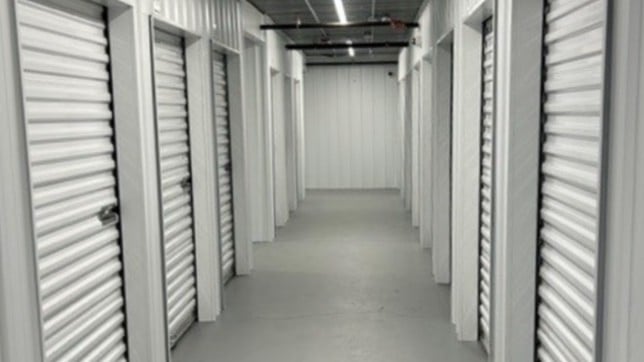
Most people never think about when to rent a storage unit — they just rent when they need one. That timing mistake quietly costs them more than it should. The month you sign your rental agreement matters more than most people realize.
Prices in this industry follow a predictable seasonal pattern, and understanding that pattern could save you a meaningful amount of money. If you’re comparing local options, reviewing current availability and rates before you commit can make a noticeable difference. By the end of this article, you'll know exactly when to rent, when to wait, and how to get the best deal no matter what time of year it is.
Why Storage Prices Change Throughout the Year
The self-storage industry runs on supply and demand, just like most rental markets. When more people need units, facilities charge more. When demand drops, prices follow. The problem is that most renters don't factor this in — they search for a facility, compare a few rates, and sign up without ever asking whether the timing is working for or against them.
What makes this particularly costly is how wide the gap can get. Because demand spikes so sharply during moving season, facilities don't need to compete on price — so they don't. Renters who sign up during peak months often pay significantly more for the same unit size, simply because they didn't know a slower season was around the corner.
There's also a trap that catches a lot of renters: promotional discounts. A "first month free" or "50% off" offer during peak season can still leave you paying more over time than a standard rate during the off-season would. What matters isn't the introductory price — it's the ongoing monthly rate after the promotion ends.
How Pricing Shifts Across the Seasons
A Toronto-based expert from FindStorageFast explains that self-storage pricing follows predictable seasonal patterns, and understanding when demand rises and falls can make a significant difference in how much you ultimately pay.
Winter: The Best Time to Rent
Winter — specifically December through February — is the slowest season in the self-storage industry. Fewer people are moving, demand drops noticeably, and facilities respond by lowering prices to keep their units occupied. January and February consistently offer the best rates of the year, with some markets seeing winter rates run significantly lower than summer peaks.
Beyond price, availability is also better in winter. The unit size you want, with the features you need — climate control, drive-up access, ground-floor location — is far easier to secure during the quiet season than in the middle of summer when competition is high.
That said, winter renting does come with a few practical things to plan around:
- Cold and icy conditions can make moving days harder, so checking the forecast and picking a milder day for move-in is worth the effort.
- Freezing temperatures can damage electronics, wood furniture, and other sensitive belongings, making climate-controlled units more important this time of year.
- Shorter daylight hours leave less time to load and unload, so planning your schedule in advance prevents unnecessary stress.
Spring: Prices Rise Faster Than Most Expect
Spring is when the busy season begins, and prices start rising earlier than most renters expect. Real estate activity picks up, people act on moving plans they put off through winter, and spring cleaning drives demand for short-term storage. By the time March arrives, the window for off-season rates is already closing.
Summer: High Demand, Less Choice, Higher Prices
Summer is the most expensive time to rent. Students moving out of dorms, families relocating during school breaks, and homeowners renovating all compete for the same units at the same time. Facilities know renters in this window are often in a hurry and less likely to shop around carefully, and pricing reflects that. Availability on desirable unit types also tightens, meaning you may end up settling for a less convenient option just because better ones are gone.
Fall: A Decent Alternative If Winter Isn't an Option
Autumn sits between the summer rush and the winter slowdown, which makes it a reasonable middle ground. Some facilities begin running promotions in September and October to lock in tenants before the quiet season, and availability improves noticeably after the summer rush clears. It's also a popular time for vehicle storage, as people start putting away boats, motorcycles, and recreational equipment when the weather turns.
How to Get the Best Deal — No Matter the Season
Don't Just Compare Rates — Compare the Full Cost
When you contact facilities, always ask for a complete breakdown of what you'll actually pay each month. Administrative fees, insurance requirements, gate access charges, and lock fees can add meaningfully to a rate that looked competitive at first glance. Comparing total monthly cost across three or four facilities gives you a far more accurate picture than comparing advertised prices alone.
Renting in Peak Season? Here's How to Still Pay Less
Sometimes you simply need a unit in July — life doesn't wait for the off-season. In that case, a few targeted strategies can still help:
- Independent facilities are often more flexible on pricing than large chains and more willing to match a competitor's rate to avoid a vacancy.
- Units on upper floors or without elevator access are typically priced lower than ground-floor or drive-up options, and they're just as secure in a well-managed facility.
- Many facilities offer discounts for military members, teachers, veterans, and first responders — but don't always advertise them. It's worth asking directly.
- Paying several months upfront, if your budget allows, often unlocks a 5-10% discount at facilities that offer advance payment rates.
Only Pay for Climate Control If You Actually Need It
Climate-controlled units cost more per month, and they're not always necessary. For most general belongings — clothing, plastic storage bins, basic furniture — a standard unit is perfectly adequate. Climate control genuinely earns its cost when you're storing items that are sensitive to temperature swings or humidity, such as:
- Wood furniture, which can warp or crack under extreme temperature changes
- Electronics, musical instruments, and artwork
- Important documents, photographs, or anything irreplaceable
- Leather goods or clothing you're storing for a long period
Watch Out for These Common Mistakes
Even renters who shop around make avoidable errors that quietly inflate what they pay. The most common ones:
- Signing a month-to-month lease at a peak rate when a longer-term commitment would have locked in something lower
- Choosing the first facility they visit without calling two or three others to compare the full cost
- Taking a promotional rate at face value without asking what the standard monthly rate will be once the deal ends
- Picking a unit based only on price, without accounting for access hours, travel time, and overall convenience — all of which affect the real value of the rental
Finding the Right Unit Without the Guesswork
Storage facilities vary widely, and the gaps in pricing, features, and availability can be significant. Comparing options side by side — including real-time pricing and unit sizes — removes a lot of the uncertainty from the process. Whether you're renting in the off-season or need something quickly in the middle of summer, a clear view of what's available near you makes it easier to make a confident, informed decision.
Whenever you're ready to start, comparing storage facilities in your area is a straightforward way to see what's actually available and what it costs.
FindStorageFast
City: Halifax
Address: Canada
Website: https://www.findstoragefast.com/


Comments
Post a Comment