What Is Dry Eye Syndrome? Causes, Symptoms, & Why It’s Often Overlooked
Dry Eye Disease: Why Persistent Eye Discomfort Deserves More Attention
Dry, irritated eyes are often dismissed as a minor inconvenience, yet millions of adults experience symptoms that extend far beyond occasional discomfort. According to the National Eye Institute, approximately 16 million adults in the United States have been diagnosed with dry eye disease, with many additional cases believed to be undiagnosed. As screen use, environmental exposure, and aging increase, dry eye has become one of the most common ocular conditions evaluated in clinical settings.
Despite its prevalence, dry eye disease is frequently misunderstood. Many individuals attempt to manage symptoms with over-the-counter products alone, unaware that persistent dryness may signal underlying issues affecting long-term eye health.
When Dry Eye Is More Than Temporary Irritation
Dry eye disease occurs when the eyes do not produce enough tears or when tears evaporate too quickly due to poor tear quality. The result is an unstable tear film that fails to adequately protect the ocular surface. Common symptoms include burning, redness, blurred vision, light sensitivity, and a sensation of grit or foreign material in the eyes.
What is often overlooked is that dry eye is not a single-condition diagnosis. It can be driven by meibomian gland dysfunction, inflammation, autoimmune disorders, hormonal changes, medication side effects, or prolonged visual tasks that reduce blink rate. The American Academy of Ophthalmology notes that untreated dry eye disease may contribute to corneal damage and reduced visual performance over time.
Recent clinical research has further expanded awareness of dry eye’s significance. Studies reported in Medscape indicate that dry eye symptoms may appear years before the diagnosis of certain autoimmune diseases, suggesting the condition may serve as an early clinical marker rather than an isolated eye issue.
Understanding Treatment Options and Common Missteps
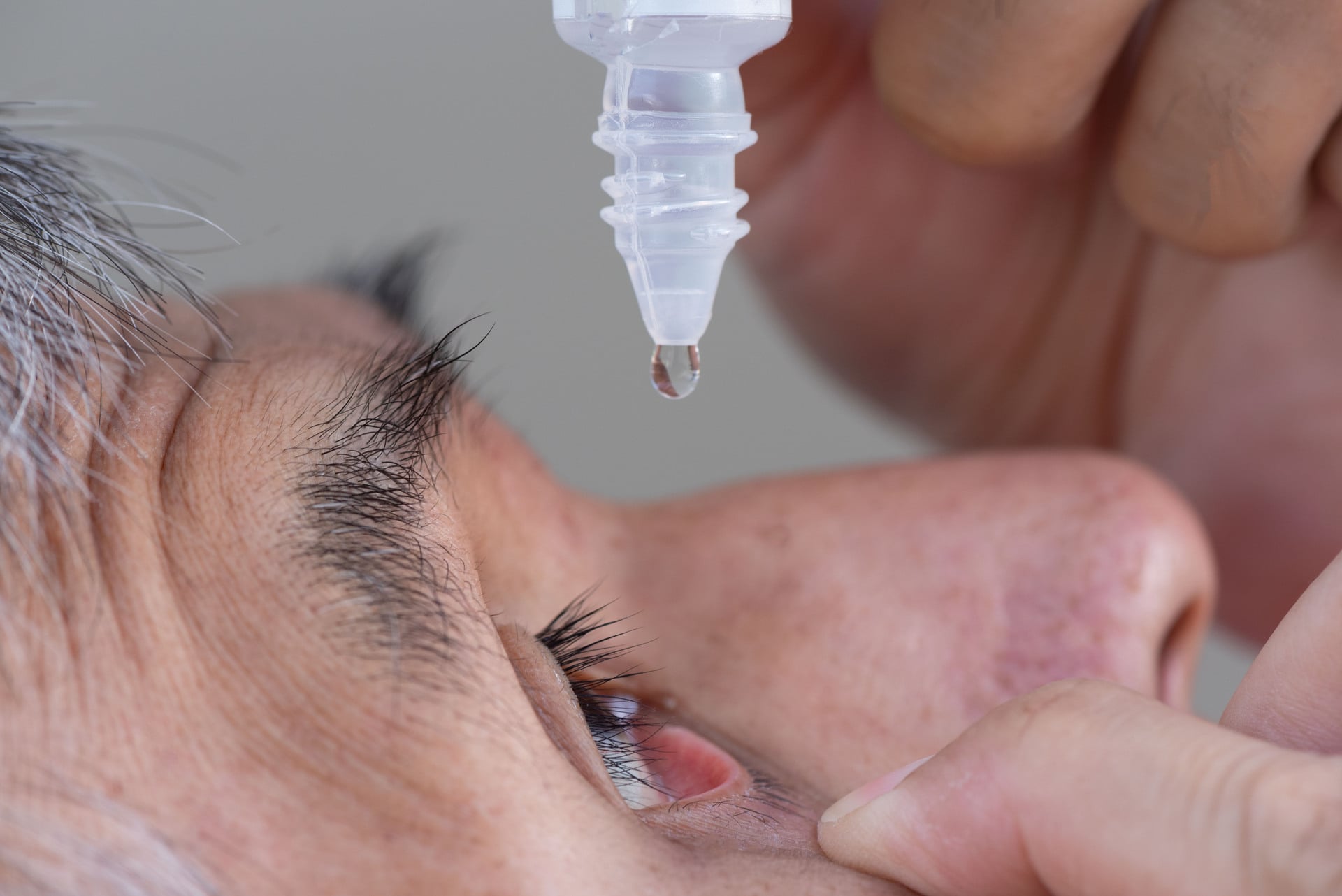
Many individuals rely exclusively on artificial tears without understanding their limitations. While lubricating drops can provide temporary relief, they do not address tear film instability or gland dysfunction. In some cases, frequent use of preserved drops may worsen irritation.
Effective management begins with identifying the specific cause of dryness. Treatment options may include lifestyle adjustments, prescription eye drops that reduce inflammation, therapies targeting oil gland function, or in-office procedures designed to improve tear quality. Environmental changes, such as managing airflow and reducing screen-related eye strain, also play a role in long-term symptom control.
A common mistake is delaying professional evaluation until symptoms become severe. Early intervention often allows for simpler, more effective management strategies, reducing the likelihood of chronic progression.
Clinical Expertise as a Resource for Long-Term Management
Eye care practices with a focus on dry eye disease increasingly emphasize comprehensive evaluation rather than symptom-only treatment. Many practices now approach dry eye as a multifactorial condition, incorporating diagnostic imaging, tear analysis, and individualized treatment planning informed by current research.
This model reflects a broader shift in eye care toward proactive management, recognizing that dry eye disease often requires ongoing monitoring rather than one-time treatment. By aligning clinical care with emerging research, providers can help patients better understand symptom patterns and long-term implications.
A Condition Worth Taking Seriously
Dry eye disease is no longer viewed solely as a quality-of-life issue. Its potential connections to systemic health, combined with its impact on daily activities and visual clarity, underscore the importance of informed evaluation and management. As research continues to refine understanding of tear film health and inflammation, dry eye care is becoming more precise and personalized.
For those experiencing persistent symptoms, learning more about the condition and available treatment approaches can be an important first step toward preserving both comfort and ocular health.
A2Z Eyecare P.C
City: Waldwick
Address: 16 E Prospect Street,
Website: https://a2zeyecarenj.com/


Comments
Post a Comment