What Is The Best Steak Cut To Eat? Top Tear, Budget Friendly Options Explored
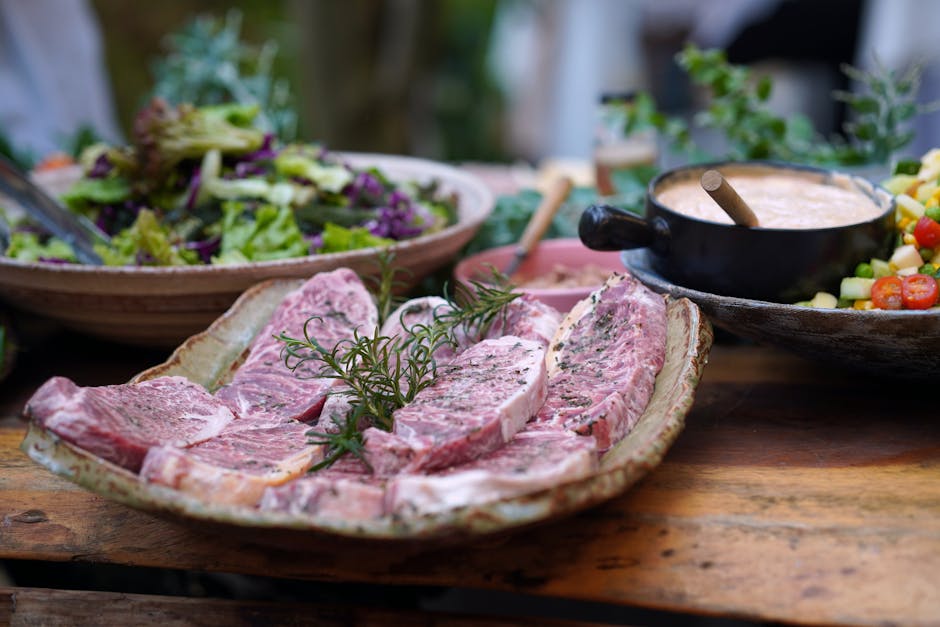
Choosing steak at a restaurant or butcher shop shouldn't feel like guessing, yet many people end up disappointed because they don't know what separates a melt-in-your-mouth cut from one that chews like leather.
Whether you're planning a special dinner at a steakhouse or shopping for your own grill, understanding how different cuts compare will help you get exactly what you're looking for every time.
Where Your Steak Comes From Changes Everything
Muscles that work hard throughout a cow's life turn out tougher and need slow cooking to become tender. Meanwhile, muscles along the back and sides barely move at all, staying naturally soft and developing the streaks of fat called marbling. That fat melts when you cook it, creating the rich flavor and buttery texture that steak lovers want most.
The Top Tier: Premium Cuts That Justify Their Price
Ribeye comes from the rib area and packs more marbling than almost any other cut, plus a strip of fat along the edge that keeps everything moist. Because of all that fat running through it, ribeye stays juicy even if you accidentally cook it a bit too long, which makes it easier to handle than leaner steaks.
Filet mignon gets cut from the tenderloin, a muscle that does practically nothing during the animal's lifetime. You won't find a more tender piece of beef anywhere, though the flip side is that less marbling means a milder flavor. Some people love that subtle taste, while others think it lacks the beefy punch they're after.
New York strip lands somewhere between ribeye and filet mignon in both tenderness and fat content. Most of its marbling sits along the outer edge rather than throughout the meat. The firmer texture holds up great on a hot grill or in a screaming-hot pan.
Budget-Friendly Options That Don't Sacrifice Quality
Not every good steak needs to drain your wallet. Top sirloin from the hip region costs way less than premium cuts but still delivers solid beef flavor, especially when you slice it thin against the grain. It works perfectly for fajitas, salads, or any dish where you'll cut the meat into smaller pieces anyway.
Flat iron is a relatively new cut that butchers discovered hiding in the shoulder once they learned to remove a tough strip of tissue running through it. After that removal, what's left rivals filet mignon for softness while keeping the deeper flavor you get from harder-working muscles.
Flank and skirt steaks both come from the underside and show long, obvious muscle fibers that create a chewier texture. A good marinade followed by quick, high-heat cooking and proper slicing turns these affordable cuts into flavor bombs that feed a crowd without breaking the bank.
Special Occasion Cuts Worth Understanding
The porterhouse and T-bone essentially give you two different steaks separated by a T-shaped bone—strip on one side, tenderloin on the other. Porterhouse includes a bigger chunk of tenderloin and usually weighs more overall, making it perfect for sharing or sampling both textures at once.
Tomahawk steaks are just ribeyes with the long rib bone still attached for show. The bone doesn't add flavor, but it does help with even cooking and creates that wow factor worth paying extra for on birthdays or anniversaries.
Getting Cooking Methods Right For Each Cut
Tender, fatty cuts like ribeye, strip, and filet mignon need high heat—whether you're grilling, broiling, or using a cast-iron pan. These methods build a tasty crust on the outside while keeping the inside pink and juicy, which is when premium beef really shines.
Tougher cuts with less fat, including flank and skirt, respond well to acidic marinades that start breaking down those muscle fibers before cooking even begins. After marinating, cook them fast over very high heat, let them rest, then slice them thin across the grain rather than with it.
Thickness matters just as much as temperature. Steaks under an inch risk drying out before they develop proper browning, while anything over two inches might need oven-finishing after the initial sear to cook through without burning.
Shopping Smart: What Quality Actually Looks Like
Marbling shows up as thin white lines running through the red meat, and more of it usually means better flavor and texture. USDA Prime has the most marbling, Choice offers a middle ground at lower prices, and Select contains minimal fat with leaner, firmer results.
Color should be bright cherry red in fresh beef, though vacuum-packed steaks sometimes look purple until oxygen hits them. Brown or gray patches might signal age or poor storage. When you touch quality steak, it should bounce back rather than feel mushy or leave an indent.
Finding Your Perfect Cut Based On What Matters To You
No single cut wins for everyone because different people care about different things. If tenderness tops your list, filet mignon delivers despite costing more and tasting milder. For maximum beef flavor, heavily marbled ribeye often wins, even though all that fat isn't for everyone.
Your budget legitimately shapes these decisions too—splurging on expensive cuts makes sense for celebrations, but feels unnecessary for Tuesday dinner when top sirloin or flat iron satisfies at half the price. Your skill level counts as well, since ribeye forgives mistakes better than tenderloin, which dries out fast.
Learning how different preparations bring out each cut's strengths helps whether you're ordering out or cooking at home, turning guesswork into confident choices that match your taste and occasion.
Post 1917
City: Reading
Address: 136 Haven Street,
Website: https://www.post1917.com


Comments
Post a Comment