What Does Termite Damage Look Like in Houston Homes?
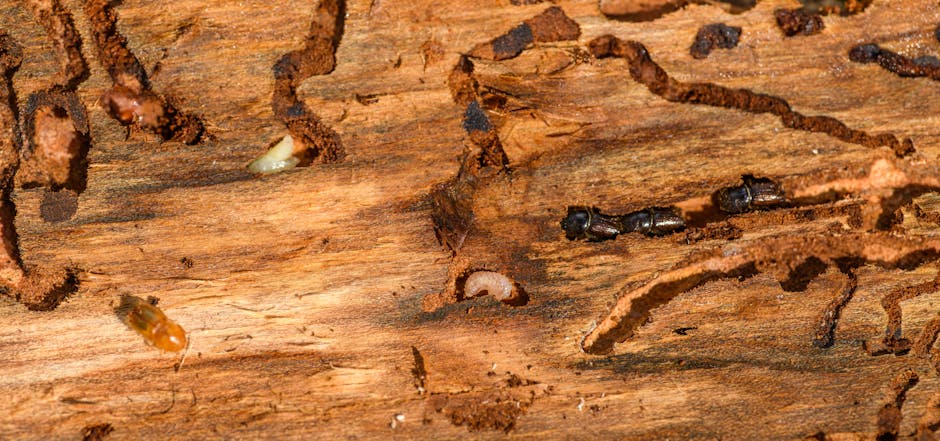
Houston's warm, humid climate makes it a great place to live. Unfortunately, termites think so too. Three species threaten local properties year-round, and catching an infestation early can save thousands in repair costs. ABC Home & Commercial Services recently published a comprehensive guide to signs of termites in Houston homes, covering everything local homeowners need to know.
Why Houston Homes Face Higher Risk
Houston sits squarely in the "termite belt" stretching across the southern U.S. The subtropical weather keeps termites active far longer than in cooler states. Heavy clay soil throughout the area holds moisture well—exactly what subterranean termites need to thrive.
Colonies can house millions of individuals. They work around the clock searching for food, often in the wood framing of nearby homes.
Building styles add to the problem. Older neighborhoods often feature pier-and-beam construction with crawl spaces, where termites can travel unseen. Newer slab foundations aren't safe either. Termites squeeze through tiny cracks and gaps around pipes. A space just one thirty-second of an inch wide is enough.
Know the Species
Eastern Subterranean Termites are the most common. They live underground and build mud tubes—pencil-width tunnels made of soil and saliva—to reach food sources above ground. Swarm season runs from February through May.
Formosan Termites earned the nickname "super termites" for good reason. Their colonies can contain several million individuals and cause severe damage in just months. Worse, they build above-ground nests. That puts upper floors and attics at risk, not just ground-level areas. Swarm season runs from April through July.
Drywood Termites don't need soil contact. They live entirely inside the wood they eat. The telltale sign? Frass—tiny, six-sided pellets pushed out through small holes in infested wood.
Warning Signs Inside the Home
Tap wooden surfaces with a screwdriver handle. Solid wood sounds dull. Damaged wood sounds hollow because termites eat from the inside out, leaving only thin outer shells.
Doors and windows that suddenly stick may have warped frames. Termite tunneling and moisture exposure cause the wood to swell. Cracks in walls, bubbling paint, or discolored patches can mean damage behind the drywall.
The clearest warning? Finding winged termites or their shed wings indoors. Swarmers emerge from mature colonies to start new ones. Spotting them inside confirms a colony already exists in or near the home.
Many people confuse termite swarmers with flying ants. Here's the difference: termites have straight antennae, equal-length wings, and thick waists. Flying ants have bent antennae, unequal wings, and pinched waists.
Warning Signs Outside
Mud tubes on foundation walls are the clearest evidence of subterranean termites. Check shaded areas, around plumbing lines, and behind AC units where landscaping might block the view. Active tubes feel moist. Breaking off a small piece reveals live termites inside.
Wood touching or near the ground attracts colonies. Fences, decks, and landscaping timbers create direct pathways to homes. Mulch doesn't cause infestations, but it does make properties more appealing to termites already nearby.
Prevention Tips
Termites need moisture to survive. Fix leaky faucets and irrigation lines near the foundation. Make sure gutters send water at least three feet from the house. Address standing water and check that landscaping slopes away from the structure.
Remove wood-to-ground contact wherever possible. Deck posts should sit on concrete footings. Porch steps need concrete or gravel bases. Siding should end at least six inches above grade.
Professional termite inspections remain the best prevention. Licensed inspectors identify early signs homeowners miss and recommend treatment before damage becomes serious.
When to Call a Professional
Some situations need immediate attention. Swarmers indoors mean an established colony requires treatment. Mud tubes—even old ones—suggest activity worth investigating. Sagging floors or separating trim points can potentially cause significant damage.
DIY termite control rarely works. Effective treatment takes professional-grade products, specialized equipment, and deep knowledge of termite behavior. Store-bought sprays might kill visible termites, but they won't reach the colony. The infestation continues, and damage adds up.
Houston pest control experts understand local species, building vulnerabilities, and what it takes to eliminate them. Annual inspections catch problems early, when treatment costs are far lower.
Taking Action
Found something suspicious? Take photos and note locations. Collect swarmers if possible—even dead ones help with identification. Skip the store-bought pesticides. They scatter colonies without solving the problem.
ABC Home & Commercial Services offers free estimates, thorough inspections, and treatments designed for Houston conditions. Houston pest control professionals know exactly where local termites hide and how to stop them.
Houston's climate means termite pressure never fully goes away. But homeowners who know the warning signs and schedule regular inspections can protect their properties from becoming another statistic.
Content strategy by reputable digital marketing agency ASTOUNDZ.
ABC Home & Commercial Services Houston
City: Cypress
Address: 11934 Barker Cypress Rd
Website: https://www.abchomeandcommercial.com/houston
Phone: +1 281 730 9500


Comments
Post a Comment