What Does GVWR Mean for Trailer Towing Capacity? Missouri Dealers Explain
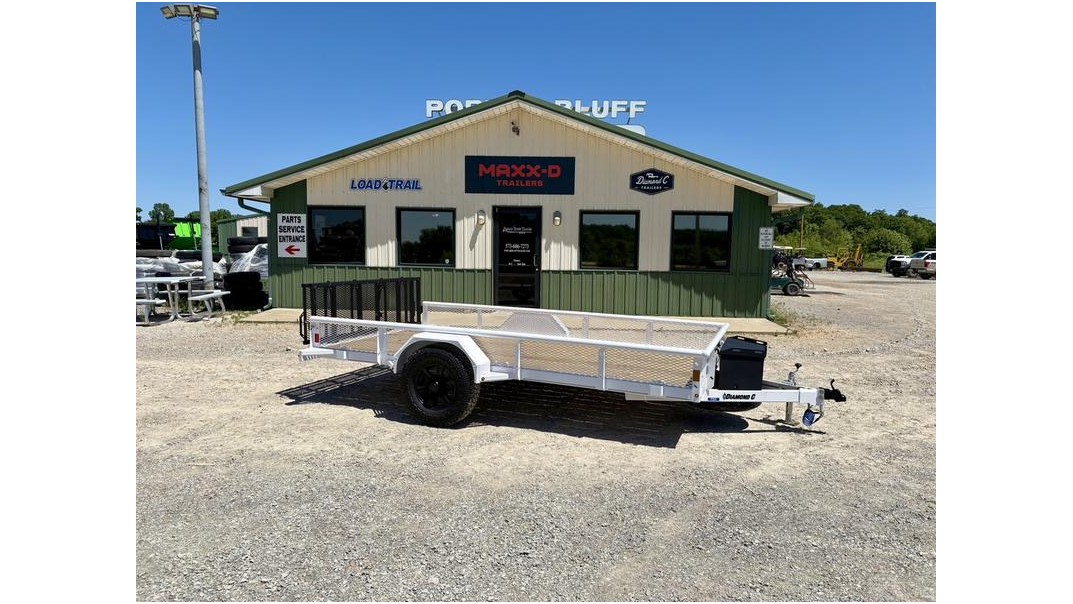
Key Takeaways
- GVWR represents the maximum safe weight your utility trailer can carry, including its own empty weight plus cargo.
- Manufacturers often de-rate trailers below 3,000 pounds to help buyers avoid Missouri's brake requirements and reduce registration costs.
- Exceeding GVWR creates serious safety risks including tire blowouts, axle failure, and loss of vehicle control.
- Missouri requires independent braking systems on specific trailer types with GVWR over 3,000 pounds.
- Understanding payload versus GVWR calculations prevents costly mistakes and ensures legal, safe hauling.
Choosing the right utility trailer starts with understanding one critical specification that determines everything from safety to legal compliance: Gross Vehicle Weight Rating. This manufacturer-established limit affects not only what loads can be hauled safely, but also Missouri's unique registration requirements, braking system mandates, and insurance coverage, explains Poplar Bluff Trailer. Getting GVWR wrong can lead to dangerous situations, legal penalties, and costly equipment failures. Don't let it happen.
What GVWR Really Means for Your Hauling Capacity
Gross Vehicle Weight Rating represents the maximum total weight a utility trailer can safely carry, encompassing both the trailer's empty weight and the weight of its cargo. The GVWR is established by the trailer manufacturer, taking into account the structural integrity of the frame, axles, suspension, and tires to ensure safe operation under maximum load conditions.
This rating directly determines how much cargo can actually be loaded. To calculate payload capacity, subtract the trailer's curb weight (empty weight) from its GVWR. For example, a trailer with a 2,990-pound GVWR that weighs 800 pounds empty can safely carry 2,190 pounds of cargo. Trailer dealership inventories will showcase various GVWR configurations to help you understand these critical capacity differences.
Why Manufacturers De-Rate Trailers Below 3,000 Pounds
The trailer industry frequently uses strategic de-rating to help customers avoid specific regulatory thresholds. Many manufacturers intentionally de-rate single axle trailers with a 3,500 lb axle capacity to a 2,990 lb GVWR to circumvent brake requirements that apply to trailers over 3,000 lbs in numerous states - and that includes Missouri.
1. Avoiding Missouri's Brake Requirements
Missouri law mandates that certain trailers with a Gross Vehicle Weight Rating over 3,000 pounds have to be equipped with their own independent braking system. By de-rating trailers to 2,990 pounds, manufacturers help buyers avoid the additional cost and complexity of trailer brake systems. This regulatory avoidance saves customers significant money in initial purchase price and ongoing brake maintenance costs.
2. Reducing Registration Costs and Compliance Requirements
In Missouri, utility trailers with a gross weight exceeding 3,000 pounds are legally required to be titled and registered with the Department of Revenue. Trailers rated below this threshold face simpler registration processes and reduced ongoing compliance requirements, making them more attractive to casual users.
3. Common Single Axle Configurations
The most common single axle configuration features a 3,500-pound axle capacity but carries a manufacturer GVWR rating of 2,990 pounds. This de-rating provides a safety buffer while keeping the trailer below regulatory thresholds. However, buyers should understand that the actual structural capacity may exceed the rated GVWR, though legally and safely, the GVWR limit must be respected.
Understanding Payload vs. GVWR in Real Numbers
The relationship between GVWR and actual cargo capacity often confuses trailer buyers. These two numbers represent different aspects of hauling capacity, and understanding the distinction prevents costly mistakes and safety issues.
How to Calculate Your Actual Cargo Capacity
To determine a utility trailer's payload capacity, subtract the trailer's curb (empty) weight from its Gross Vehicle Weight Rating. A typical 6x12 single axle trailer might have a 2,990-pound GVWR but weigh 950 pounds empty, leaving 2,040 pounds of actual cargo capacity. This calculation must include any accessories, spare tires, or permanent equipment installed on the trailer.
Real-world examples demonstrate this calculation's importance. A landscaping contractor loading mulch must account for both the mulch weight and moisture content, which can significantly increase total load weight. Similarly, homeowners hauling construction materials need to calculate the combined weight of lumber, concrete blocks, and tools to avoid exceeding capacity limits.
Why Curb Weight Matters More Than You Think
Trailer curb weight varies significantly based on construction materials, size, and features. Different construction materials affect weight, with some options weighing more than others but offering greater durability for heavy-duty applications. Optional equipment like spare tire mounts, toolboxes, and upgraded flooring adds weight that reduces available payload capacity.
Smart buyers verify actual curb weight rather than relying on manufacturer estimates. Weighing an empty trailer at a certified scale provides precise payload calculations and ensures compliance with GVWR limits. This verification is especially important for commercial users who face potential legal penalties for overweight violations.
Missouri's Specific Weight Rules You Must Know
Missouri's trailer regulations lead to specific compliance requirements based on GVWR thresholds. Understanding these rules helps trailer buyers choose appropriate equipment while avoiding unexpected legal obligations.
1. The 3,000-Pound Braking System Threshold
Missouri law requires independent braking systems on certain trailers with GVWR exceeding 3,000 pounds, particularly those coupled by a fifth wheel and kingpin, and trailers hauling hazardous materials. Electric brake systems are most common, requiring brake controllers in the tow vehicle and regular maintenance of brake components.
The braking requirement significantly affects trailer costs and complexity. Electric brake systems add substantial costs to initial purchase prices, plus ongoing maintenance expenses. Brake controllers for tow vehicles require additional investment, making the 3,000-pound threshold a significant economic consideration for buyers.
2. Registration Requirements for All Trailers
All utility trailers in Missouri require registration regardless of weight, but trailers exceeding 3,000 pounds GVWR face additional titling requirements. All trailers are exempt from vehicle safety inspections in Missouri, simplifying ongoing compliance for owners.
3. Highway Weight Limits by Road Type
Missouri enforces different weight limits based on highway classification. Legal weight limits for axles on highways include a maximum of 20,000 lbs for a single axle and 34,000 lbs for a tandem axle group on the interstate system, or 36,000 lbs on other state highways. While these limits far exceed typical utility trailer capacities, understanding weight distribution helps prevent axle overloading and tire failures.
Tandem Axle Trailers and the 10,000-Pound Strategy
Larger utility trailers often employ similar de-rating strategies at higher weight thresholds. Tandem axle trailers equipped with 5,200 lb axles are frequently de-rated to a GVWR just under 10,000 lbs to help buyers avoid specific licensing and safety sticker requirements that typically apply at or above the 10,000 lb threshold.
Why Manufacturers Rate at 9,990 Pounds
The 10,000-pound threshold triggers additional regulatory requirements including commercial vehicle classifications, enhanced driver licensing requirements in some situations, and more stringent safety inspections. By rating trailers at 9,990 pounds or similar weights just below 10,000 pounds, manufacturers help customers avoid these commercial vehicle regulations while maintaining substantial hauling capacity.
This strategic rating affects trailer design and actual capacity. Trailers with dual 5,200-pound axles theoretically support 10,400 pounds, but manufacturer GVWR ratings limit legal capacity to 9,990 pounds. The difference provides safety margin while keeping regulations manageable for typical users.
7,000-Pound GVWR Standard for Dual 3,500-Pound Axles
A common configuration for tandem axle utility trailers, featuring two 3,500 lb axles, typically results in a Gross Vehicle Weight Rating of 7,000 lbs. This configuration provides substantial hauling capacity while avoiding the 10,000-pound commercial threshold. The 7,000-pound rating allows for significant cargo loads while maintaining reasonable regulatory compliance requirements.
These trailers offer excellent stability and load distribution compared to single axle alternatives. Dual axles spread weight across four wheels instead of two, reducing ground pressure and improving handling characteristics. However, the additional axle increases trailer weight, reducing net payload capacity compared to total GVWR.
Choose the Right GVWR With Help From Your Trailer Dealer
Selecting appropriate GVWR capacity requires an honest assessment of intended uses, load types, and regulatory compliance needs. Trailer dealers have a crucial responsibility to educate customers on GVWR, ensuring the chosen trailer's capacity aligns with the tow vehicle's capabilities and the intended cargo to prevent dissatisfaction and ensure safe operation.
Smart buyers consider future needs, not just immediate requirements. A trailer purchased for occasional furniture moving might later be needed for construction materials or equipment hauling. Choosing slightly higher GVWR capacity provides flexibility for changing needs without requiring equipment replacement.
Professional guidance helps navigate the complex relationship between GVWR, payload capacity, regulatory requirements, and cost considerations. Experienced dealers understand local regulations and can recommend appropriate equipment for specific applications while explaining the trade-offs between capacity, cost, and compliance requirements.
Utility trailers exhibit a wide range of GVWRs, from approximately 1,000 pounds for smaller aluminum models to 10,000 pounds or more for larger, heavy-duty models. This variety ensures appropriate options for every application, from light landscaping work to heavy construction equipment transport. The key is matching GVWR to actual needs while considering safety, legal, and practical factors, and experienced trailer dealers should be able to guide you to the right choice.
Poplar Bluff Trailer
City: Poplar Bluff
Address: 135 Hwy T Suite B
Website: https://www.poplarblufftrailer.com/


Comments
Post a Comment