What Do Baby Termites Look Like? How to Spot Them Before Damage Starts
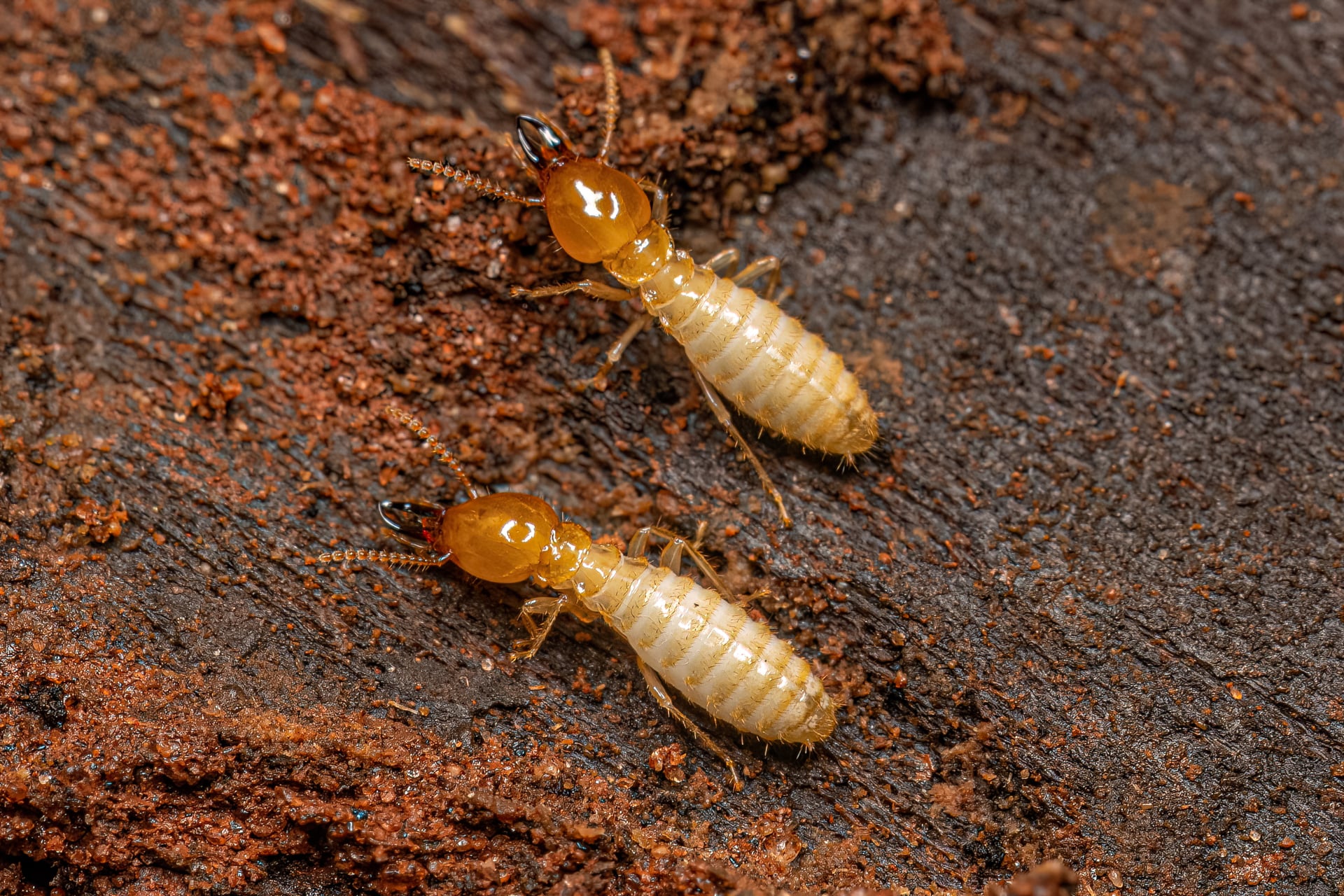
Most homeowners couldn't identify a baby termite if one crawled across their kitchen counter. That's a problem. Termites cause more than five billion dollars in property damage every year across the United States—and the ones doing the eating started out as those tiny, hard-to-spot nymphs.
Knowing what to look for makes a real difference. Catching an infestation early means smaller treatment bills and less structural damage. Missing it means giving the colony months or years to chew through floor joists, wall studs, and support beams.
What Baby Termites Actually Look Like
Baby termites—technically called nymphs—are small, pale, and soft-bodied. Most measure just a few millimeters. They look whitish, almost translucent. Picture a grain of rice with legs. That's close.
To someone who's never seen one, a termite nymph might look like a tiny ant or some random bug that wandered in from outside. Easy to ignore. Easy to brush away without a second thought. That's exactly how infestations go unnoticed.
ABC Home & Commercial Services offers a visual guide that explains what baby termites look like, along with photos that show how they differ from ants and other insects.
Here's what happens after they hatch. Nymphs can't feed themselves. Worker termites bring chewed-up wood cellulose until they're old enough to contribute to the colony. As they grow, they molt several times—shedding their outer shell to make room for a larger one. Eventually, each nymph becomes a worker, a soldier, or a reproductive. The colony's needs determine which role they take.
Why Finding Them Indoors Is a Red Flag
Swarmers—the winged termites people sometimes see near windows—might fly in from outside. Nymphs don't. They stay close to the colony.
So if baby termites show up inside a home, that's not a "maybe" situation. That's confirmation. A colony has established itself somewhere in or directly beneath the structure. The infestation isn't coming. It's already there.
Early detection changes everything. A colony caught within its first year or two hasn't had time to cause serious damage. One that's been working silently for a decade? That's a different story. That's when repair estimates start to include terms like "structural" and "extensive."
Houston homeowners deal with higher-than-average termite pressure. The humidity helps. So do the warm temperatures and moisture-holding clay soil. For a rundown of warning signs specific to this area, ABC provides a detailed guide on signs of termites in Houston homes.
Termites vs. Ants—How to Tell Them Apart
People often mix these up. Understandable. Both insects swarm. Both have workers and soldiers. Both show up uninvited.
But look closer, and the differences stand out.
Antennae: Termite antennae run straight or are gently curved. Ant antennae bend sharply—like an elbow.
Body shape: Termites have thick, uniform waists. Ants have that pinched middle section everyone recognizes.
Wings: When present, termite wings are equal in length. Ant forewings stretch longer than the back pair.
Not sure what's crawling around? Grab a specimen—dead or alive—and show it to a termite exterminator. A quick ID beats weeks of wondering.
When to Call for Help
Some situations call for professional evaluation right away:
- Baby termites spotted anywhere indoors
- Swarmers emerging from walls, ceilings, or floors
- Mud tubes running along the foundation or in crawl spaces
- Wood that sounds hollow when tapped
- Doors or windows suddenly sticking for no clear reason
Professional termite inspections don't just confirm activity. They identify vulnerabilities—spots where termites could get in, even if they haven't yet. Licensed technicians know where Houston termites hide and can recommend treatment before damage spreads.
DIY approaches rarely work. Store-bought sprays might kill the termites that people can see. They won't reach the colony. And scattering a colony without eliminating it often makes the problem harder to treat later.
Protecting a Home Long-Term
Prevention costs less than treatment. Always has.
A few steps significantly reduce risk: eliminate any wood-to-soil contact around the property, promptly fix leaks and drainage issues, keep mulch and debris away from the foundation, and schedule annual professional inspections. None of this guarantees termites won't show up. But it makes a home far less inviting—and catches problems before they grow.
ABC Home & Commercial Services has helped Houston-area homeowners deal with termites for decades. Their technicians provide thorough inspections and develop treatment plans tailored to each property's specific situation.
Content strategy by best digital marketing agency ASTOUNDZ.
ABC Home & Commercial Services Houston
City: Cypress
Address: 11934 Barker Cypress Rd
Website: https://www.abchomeandcommercial.com/houston
Phone: +1 281 730 9500


Comments
Post a Comment