Treadmill Or Elliptical For Bad Knees? How to Reduce Impact Force & Joint Stress
Key Takeaways
- Treadmills generate impact forces of 2-3 times body weight with each footfall, while ellipticals eliminate ground impact through continuous foot contact.
- Elliptical machines can reduce knee joint stress compared to treadmill running at similar intensity levels.
- Advanced cushioning technology in modern treadmills can reduce impact forces by up to 40% compared to running on asphalt.
- For individuals with knee concerns, gentle treadmill paces around 2-3 mph combined with slight inclines offer joint protection.
- Ergonomic pedal design and adjustable stride lengths in ellipticals maintain natural joint alignment while exercising.
Understanding the biomechanical differences between treadmills and ellipticals is crucial when knee health is your primary concern. The forces generated during exercise directly impact joint stress, inflammation levels, and long-term comfort for individuals managing knee pain or arthritis. Read on to learn which machine is your best option.
Impact Forces: Why Your Knee Feels Every Step
Every time feet make contact with a surface during exercise, forces travel through the kinetic chain from ankles to hips. These impact forces determine how much stress joints absorb during cardiovascular workouts. The magnitude of these forces varies dramatically between different exercise modalities, creating significant implications for individuals with existing knee sensitivities or those seeking preventive joint care.
Ground reaction forces represent the body's interaction with exercise equipment surfaces. When walking or running, each footfall creates a momentary spike in force that reverberates through the skeletal system. This force transmission affects cartilage compression, synovial fluid circulation, and overall joint mechanics. Understanding these forces helps explain why certain exercise machines feel more comfortable for sensitive knees than others.
Treadmill Joint Stress: The Numbers Behind Each Footfall
Ground Reaction Forces: 1-8X Your Body Weight
Treadmill exercise generates substantial ground reaction forces that directly impact knee joints. Each footfall produces forces equivalent to two to three times a person's body weight during normal walking speeds. These forces increase with running speeds, potentially reaching higher multiples during high-intensity activities. For a 150-pound individual, this translates to 300-450 pounds of force per step during moderate walking, creating significant stress on knee cartilage and surrounding tissues.
Walking vs Running: Speed Changes Everything
Speed modifications dramatically alter the force equation in treadmill exercise. Walking at 2-3 mph generates significantly lower impact forces compared to running speeds above 5 mph. The transition from walking to running fundamentally changes gait mechanics, introducing a flight phase where both feet leave the ground simultaneously. This flight phase increases landing forces substantially when feet reconnect with the treadmill belt.
Moderate walking speeds maintain more continuous ground contact, reducing peak impact forces while still providing cardiovascular benefits. Studies show that maintaining speeds below 3.5 mph helps minimize knee joint strain while allowing effective workout intensity through incline adjustments rather than speed increases.
How Cushioning Technology Reduces Impact by 40%
Advanced cushioning systems in modern treadmills significantly mitigate impact-related joint stress. And modern brands have developed specific cushioning technology to reduce impact forces by up to 40% compared to running on asphalt surfaces. This substantial reduction comes through engineered deck flexibility that absorbs shock during footfall, preventing full force transmission to joints.
It all works by creating a responsive surface that flexes downward during heel strike, then returns energy during push-off. This biomechanical assistance reduces the jarring sensation associated with traditional hard-surface running while maintaining natural gait patterns.
Elliptical Advantage: Continuous Contact Protects Joints
Continuous Foot Contact Eliminates Ground Impact
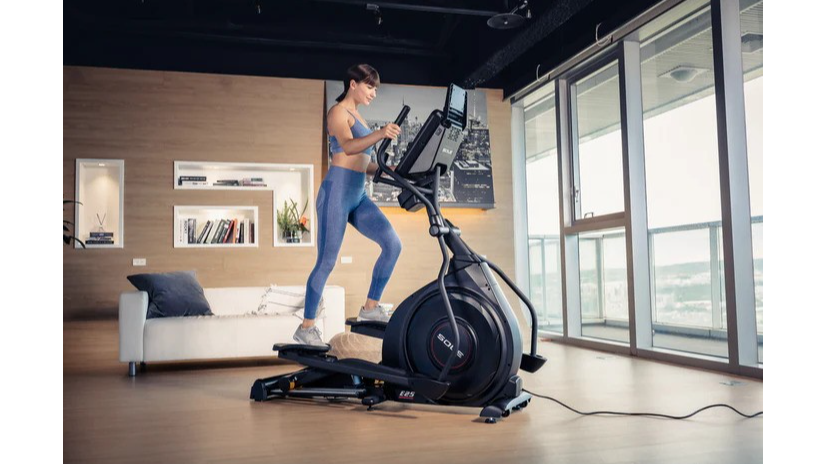
Elliptical machines fundamentally eliminate ground reaction forces through their unique pedal system design. Both feet remain in continuous contact with the pedals throughout the entire exercise motion, preventing the impact spikes characteristic of walking or running activities. This continuous contact maintains stable joint positioning while allowing cardiovascular exercise intensity.
The absence of impact forces means knees experience significantly less stress during elliptical workouts. Instead of absorbing repetitive shock waves, knee joints move through smooth, controlled ranges of motion. This design particularly benefits individuals with arthritis, previous knee injuries, or chronic joint sensitivity who need cardiovascular exercise without aggravating existing conditions.
Reduced Knee Stress vs Treadmill Running
Comparative studies demonstrate that elliptical exercise can reduce knee joint stress when compared to running on a treadmill at similar exertion levels. This reduction stems from the elliptical's ability to distribute forces across multiple muscle groups while maintaining lower peak stress on any single joint structure.
The elliptical motion pattern engages quadriceps, hamstrings, and glutes more evenly than running, creating better force distribution throughout the lower extremity. This balanced muscle activation reduces isolated stress on knee ligaments and cartilage while still providing effective strength training benefits for the muscles that support knee stability.
Ergonomic Pedal Design Maintains Natural Alignment
Advanced elliptical pedal systems incorporate adjustable-angle pedals designed to mimic natural ankle movement, contributing to improved joint alignment and reduced stress on knees and hips. These ergonomic features allow customization based on individual biomechanics, ensuring optimal foot positioning throughout the exercise arc.
Proper pedal alignment maintains the knee's natural tracking pattern, preventing lateral stress that can occur with poorly designed exercise equipment. The adjustable nature of quality elliptical pedals accommodates different body types and movement patterns, reducing compensatory movements that might stress knee joints inappropriately.
Making Treadmills Joint-Friendly for Knee Pain
Gentle Paces Around 2-3 MPH for Joint Protection
Strategic speed selection transforms treadmill exercise into a knee-friendly activity. Maintaining speeds between 2-3 mph provides effective cardiovascular benefits while minimizing joint stress. These gentle paces keep impact forces within manageable ranges for sensitive knees while still elevating heart rate sufficiently for fitness improvements.
At these controlled speeds, gait mechanics remain closer to normal walking patterns, avoiding the higher-impact transitions associated with faster speeds. The key? Patience and consistency rather than intensity, allowing individuals with knee concerns to build endurance and strength gradually without overwhelming joint structures.
Use Slight Inclines to Reduce Joint Strain
Incorporating slight inclines between 2-5% can actually reduce joint strain while increasing workout intensity. Incline walking shifts muscle activation patterns, engaging more posterior chain muscles (glutes and hamstrings) while reducing impact forces compared to flat surface walking at equivalent energy expenditures.
The inclined surface encourages a more natural walking pattern with slightly shorter strides and increased muscle engagement. This gait modification reduces peak knee flexion angles and associated stress while providing enhanced caloric burn and cardiovascular challenge without speed increases that might compromise joint comfort.
Other Equipment Features That Protect Your Knees
Adjustable Stride Length on Ellipticals
Many modern elliptical machines feature adjustable stride lengths that accommodate individual biomechanics and comfort preferences. This customization ensures that users can match their natural gait patterns, reducing compensatory movements that might stress knee joints inappropriately.
The ability to adjust stride length is particularly important for individuals with knee limitations who may need shorter or longer stride patterns than standard elliptical designs provide. This personalization helps maintain proper joint alignment throughout the exercise motion, supporting both comfort and effectiveness during cardiovascular workouts.
Variable Resistance Without Joint Impact
Today's elliptical models even provide variable resistance systems that increase workout intensity without adding joint impact. This resistance comes through magnetic or electromagnetic systems that create smooth, progressive loading without the jarring effects of impact-based exercise.
Users can achieve significant cardiovascular and strength training benefits by adjusting resistance levels rather than relying on speed or impact increases. The approach allows individuals with knee sensitivities to progress their fitness levels while maintaining joint-friendly exercise parameters throughout their workout routines.
Choose Ellipticals for Maximum Joint Protection
For individuals prioritizing knee health and joint protection, elliptical machines represent the optimal cardiovascular exercise choice. The combination of continuous foot contact, eliminated impact forces, and customizable resistance levels creates an ideal environment for effective workouts without joint compromise.
Ellipticals particularly benefit individuals with knee and hip arthritis, offering both strengthening and cardiovascular benefits with significantly less force exerted on joints compared to traditional impact exercise. The smooth, gliding motion supports natural movement patterns while providing comprehensive lower body muscle engagement that strengthens the supportive structures around knee joints.
The versatility of elliptical exercise allows for progressive fitness development without the concern of aggravating existing knee conditions or creating new joint stress. This makes ellipticals an excellent long-term investment for individuals seeking sustainable cardiovascular fitness while managing knee health concerns - especially when they're ordered from retailers specializing in joint relief.
SOLE Fitness
City: Salt Lake City
Address: 56 Exchange Pl.
Website: https://www.soletreadmills.com/


Comments
Post a Comment