Top 5 Elements Of A Good Dance Lesson Plan: Ultimate Guide For Dance Teachers
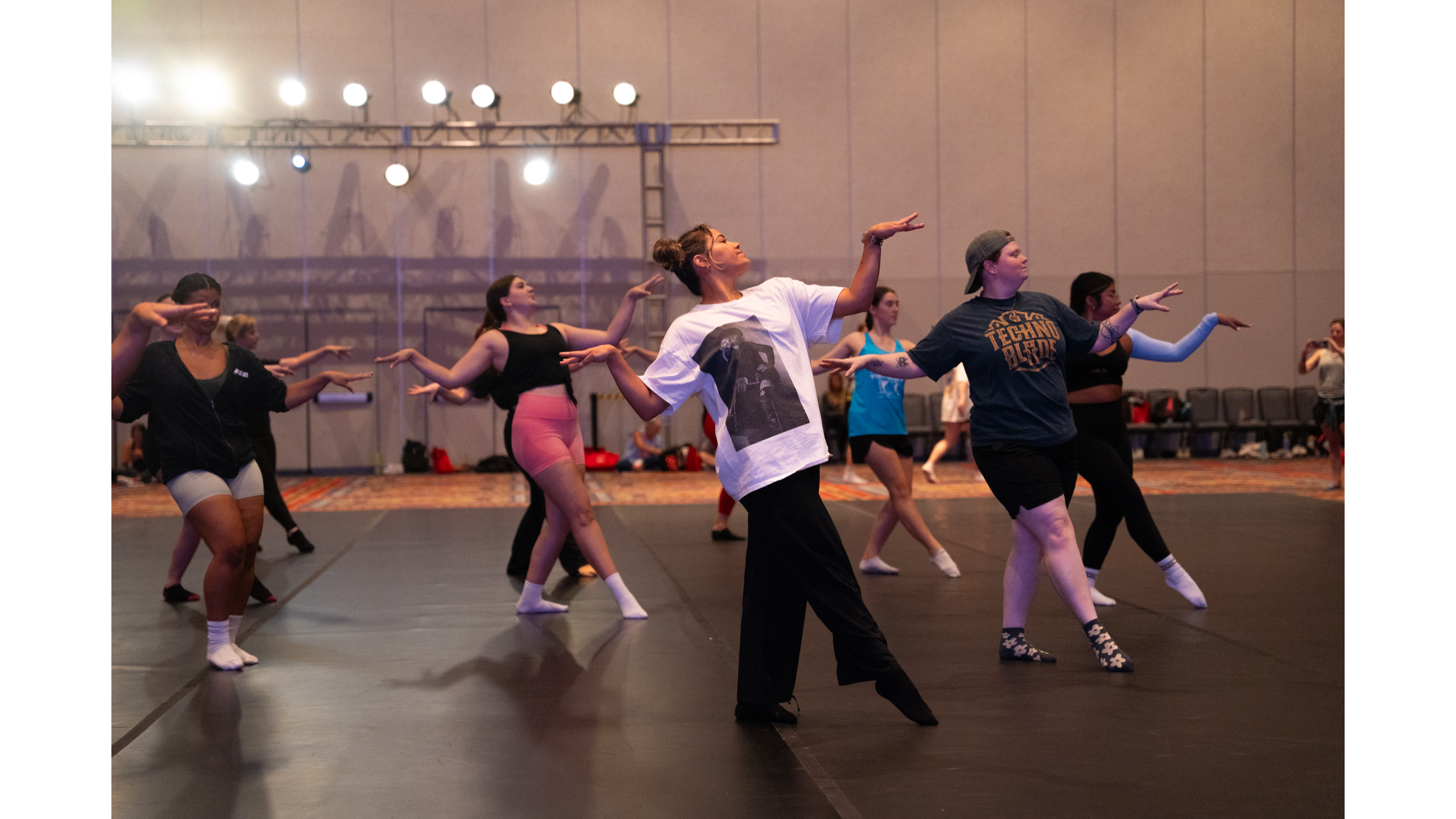
Dance teachers juggle a lot—multiple class levels, recital prep, and keeping every student engaged. Without a clear plan, even experienced instructors end up scrambling or repeating the same material until students tune out.
The secret lies in understanding five foundational elements that make all movement meaningful, whether you teach ballet, jazz, or hip hop. Building lesson plans around these principles helps students become well-rounded dancers who think, create, and express themselves through movement.
Understanding Your Dancer's Primary Tool
The body is what dancers use to create every shape, gesture, and movement pattern they'll ever perform. When you plan lessons that build body awareness, students learn to move with intention instead of just copying what they see.
Start with shapes. Curved positions feel entirely different from angular ones, and wide shapes communicate something distinct from narrow, condensed forms. Beginning students might explore making their bodies tall versus small, while advanced dancers investigate how twisted or spiraled shapes challenge balance and create visual tension. These explorations don't need fancy choreography—simple prompts like "show me three different angular shapes" develop spatial intelligence quickly.
Actions fall into two categories that deserve equal attention in your planning. Locomotor movements carry dancers through space—walking, running, jumping, skipping, galloping. In contrast, non-locomotor movements happen in place through bending, stretching, twisting, and swinging. Most teachers naturally include plenty of traveling steps, but sometimes neglect stationary work that builds strength and control.
Body part isolation adds another layer of sophistication. When students understand how the head, shoulders, elbows, hips, knees, and feet can move independently or together, their technical range expands dramatically. Classical Indian dance demonstrates this beautifully through detailed hand gestures paired with precise footwork, while contemporary classes might explore how initiating movement from the chest creates different qualities than starting from the hips.
Creating Meaning Through Movement Quality
Energy transforms a simple walk into something that conveys joy, anger, determination, or sadness. Without attention to quality, students move correctly but communicate nothing, which is why this element separates technical dancers from artists.
Rudolf Laban gave teachers a practical framework through four effort qualities. Space effort involves direct, laser-focused movement versus indirect, wandering attention to multiple points. Weight effort contrasts strong, forceful actions against light, delicate ones. Time effort distinguishes sudden, urgent movement from sustained, leisurely flow. Flow effort separates bound, controlled precision from free, uninhibited release.
Try this in your next class: have students perform the same combination twice with completely different energies. First, use strong, sudden, direct qualities that suggest frustration or power. Then shift to light, sustained, indirect movement that feels playful or dreamy. Students immediately grasp that technique alone doesn't create meaning—energy brings their dancing to life.
Movement qualities offer another useful lens. Percussive actions feel sharp and choppy, cutting through space with clear punctuation. Sustained movements flow smoothly without interruption, like honey pouring from a jar. Swinging follows a pendular rhythm, suspended captures stillness at the peak of motion, collapsed releases through falling, and vibratory shakes or trembles. Planning exercises around these distinct qualities builds expressive vocabulary faster than any other single approach.
Designing Movement Through Space
Space includes everything from the bubble around each dancer's body to the patterns traced across your entire studio floor. Students who understand spatial concepts create visually interesting work and navigate group choreography without collisions.
Personal space, sometimes called the kinesphere, extends as far as limbs can reach without traveling. Near-reach movements stay close to the body's center, mid-reach extends comfortably outward, and far-reach stretches to maximum extension. Challenge students to create a phrase using only near-reach movements, then expand that same phrase to far-reach—they'll discover how range affects both appearance and physical demand.
Levels add a vertical dimension that too many teachers ignore. High-level work includes jumps, leaps, and anything reaching upward, middle-level happens between the shoulders and knees, and low-level involves the floor through sitting, kneeling, or rolling. Moving through all three levels within a single class keeps students physically engaged and prevents the visual monotony of staying perpetually upright.
Pathways describe how dancers travel through general space, creating floor patterns that audiences read as visual design. Straight lines feel direct and purposeful, curves suggest fluidity, spirals build momentum, and zigzags create dynamic energy. Have students walk a figure-eight pattern, then layer in different actions, qualities, or speeds—suddenly a simple spatial exercise becomes rich choreographic material.
Working With Rhythm and Musicality
Dance unfolds in time, so students need more than the ability to count eight-counts. They need to understand how rhythm, tempo, and phrasing shape everything they do.
The underlying pulse provides the foundation, but tempo variations change everything. Execute the same phrase at different speeds, and it becomes essentially different material—fast challenges quickness and precision, moderate allows for fuller expression, slow demands control and stamina. Building tempo variations into your lesson plans develops both technical range and artistic understanding.
Rhythm patterns organize beats into groupings of long and short sounds, accents, and silences. Students can clap the rhythm of their names or favorite phrases, discovering how natural speech translates into dance timing. Advanced work involves syncopation, where accenting off-beats creates unexpected emphasis that makes movement feel fresh and dynamic.
Natural rhythms offer another approach that connects students to organic timing. The breath cycle, heartbeat, or patterns found in nature, like ocean waves, provide alternatives to strict musical counts. Modern choreographer Doris Humphrey famously created work without musical accompaniment, using only breath to cue timing—students who experience this understand that rhythm exists beyond recorded music.
Building Movement Vocabulary
Action refers to the specific movements dancers perform, from basic locomotor steps to style-specific vocabulary that defines different genres. While this overlaps with body awareness, it focuses on the actual catalog of steps students can execute.
Every dance form has characteristic actions. Ballet builds on tendu, plié, and arabesque; modern explores contractions, releases, and falls; hip hop features isolations, waves, and foundational grooves. Your lesson plans should introduce new vocabulary systematically while reinforcing what students already know, preventing the common problem of dancers who recognize dozens of step names but can't perform any of them well.
Combinations and sequences represent the next level. Students need regular practice linking movements together, discovering how one action flows into the next. These transitions matter as much as the movements themselves because awkward connective tissue ruins otherwise solid technique.
Start simple and build complexity gradually. Three movements are linked smoothly, but 10 movements are executed sloppily every time. As students master small sequences, expand them by adding variations in direction, level, or quality—suddenly that simple combination becomes a full phrase with artistic merit.
Creating Well-Rounded Dancers
These five elements give you clear categories for organizing class material instead of randomly selecting exercises or repeating favorite combinations. When you intentionally address different elements each week, then layer them together, students develop deeper movement literacy.
Most teachers discover they emphasize certain elements while neglecting others. Body and action typically receive plenty of attention, but energy, space, and time often get shortchanged. Making deliberate choices to balance all five areas creates comprehensive dance education that produces students who analyze movement, create their own work, and appreciate dance as an art form.
Practical frameworks that help teachers weave these concepts into weekly class structures support instructors as they refine their approach and discover new ways to bring foundational elements to life in the studio.
Dance Teacher Web
City: Norwalk
Address: 16 Pershing St
Website: https://www.danceteacherweb.com/
Phone: +1 203 545 7167
Email: steve@danceteacherweb.com


Comments
Post a Comment