Texas Waste Management Requirements: What Commercial Site Managers Need To Know
Key Takeaways
- Texas commercial waste violations can result in penalties up to $40,000 per day per violation, making compliance critical for site managers
- Proper waste classification, permits, and documentation are mandatory requirements that vary based on waste type and generator status
- Personal liability risks extend to site managers who fail to meet TCEQ compliance standards and training requirements
- Professional waste management partnerships help ensure regulatory compliance while reducing operational risks and costs
Managing commercial waste in Texas requires navigating a complex web of state regulations that can make or break a project's budget and timeline. Site managers face mounting pressure to balance operational efficiency with strict compliance requirements, where even minor oversights can trigger significant penalties and legal consequences.
Texas Commercial Waste Regulations: Penalties Up To $40,000 Per Day
The Texas Commission on Environmental Quality (TCEQ) enforces strict commercial waste regulations, with financial penalties that can devastate project budgets. Civil penalties range from $50 to $40,000 per violation per day, depending on the severity and environmental impact of the infraction. Criminal violations carry even steeper consequences, including potential imprisonment for willful violations that endanger public health or the environment.
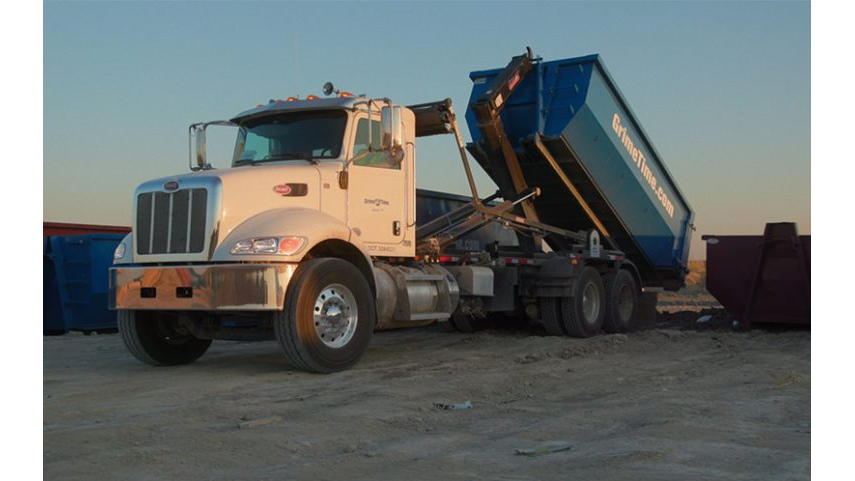
These penalties aren't just theoretical threats. TCEQ enforcement actions demonstrate the real financial risks facing non-compliant operations. Experts at GrimeTime Dumpster Rentals, who work with commercial site managers across Texas, explain that the financial impact of non-compliance extends well beyond these immediate fines. Violations can trigger work stoppages, require expensive remediation efforts, and damage company reputations. Insurance claims may be denied for non-compliant operations, leaving site managers personally exposed to liability claims. In short, companies cannot afford to ignore the regulations.
Understanding Texas Waste Classification Rules
Proper waste classification forms the foundation of Texas commercial waste compliance. Site managers must accurately categorize all waste streams before storage, transport, or disposal to ensure appropriate handling and regulatory compliance.
1. Hazardous vs. Non-Hazardous Waste Definitions
Texas follows federal Resource Conservation and Recovery Act (RCRA) standards while adding state-specific requirements for hazardous waste identification. Materials qualify as hazardous if they exhibit ignitability, corrosivity, reactivity, or toxicity characteristics, or appear on EPA's F, K, P, or U lists. Common construction hazardous wastes include paint thinners, adhesives containing volatile organic compounds, and materials containing asbestos or lead.
Non-hazardous waste includes most construction and demolition debris, office waste, and industrial byproducts that don't meet hazardous criteria. However, non-hazardous doesn't mean unregulated. Texas requires specific handling procedures for various construction and demolition materials.
2. Construction and Demolition Debris Requirements
Construction and demolition (C&D) debris receives special classification under Texas regulations. These materials must be segregated from other waste streams and can only be disposed of at permitted C&D facilities or appropriately licensed municipal solid waste landfills. Prohibited items include hazardous materials, liquid waste, and materials exceeding size restrictions.
Recycling requirements vary by municipality, with many Texas cities mandating minimum diversion rates for C&D materials. Local ordinances often specify requirements for concrete, metal, and wood recycling from commercial projects.
3. Industrial Waste Categories
Industrial waste classification depends on generation source and characteristics. Class 1 industrial waste poses minimal environmental risk and includes materials like concrete, brick, and uncontaminated soil. Other industrial waste categories require additional handling precautions based on their potential environmental impact.
Site managers must conduct generator knowledge assessments or waste sampling to determine proper classification for industrial waste streams that don't clearly fall into established categories.
Mandatory Permits and Documentation
Texas waste management compliance hinges on obtaining proper permits and maintaining detailed documentation throughout the waste lifecycle. Missing permits or incomplete records frequently trigger enforcement actions and substantial penalties.
1. Generator Registration Requirements
Large quantity generators (LQGs) producing over 1,000 kilograms of hazardous waste monthly must register with TCEQ and obtain EPA identification numbers. Small quantity generators (SQGs) producing 100-1,000 kilograms monthly face simplified registration requirements but still need EPA ID numbers. Very small quantity generators producing less than 100 kilograms monthly have minimal registration requirements but must follow conditional exemption rules.
Registration renewal occurs every four years for SQGs, while LQGs must renotify annually. Site managers must update information within 90 days of operational changes affecting waste generation patterns or facility operations.
2. Waste Manifests and Tracking
Hazardous waste shipments require detailed manifests documenting waste characteristics, quantities, transportation routes, and disposal destinations. Generators in Texas can use either paper manifests or EPA's electronic manifest (e-Manifest) system for tracking shipments.
Site managers must ensure transporter licensing, verify disposal facility permits, and maintain manifest copies for three years. Exception reports are required when manifests aren't returned within specified timeframes.
3. Record Keeping Obligations
Detailed record keeping extends beyond manifests to include waste analysis data, inspection records, personnel training documentation, and incident reports. TCEQ requires three-year retention for most records, though some documents like groundwater monitoring data require longer retention periods.
Digital record systems must include backup procedures and access controls to prevent unauthorized modifications. Regular audits help identify documentation gaps before they trigger compliance violations.
TCEQ Compliance Standards for Sites
Site-specific compliance standards address storage, handling, and transportation requirements that directly impact daily operations and project timelines.
Storage Time Limits and Containers
Hazardous waste storage duration limits vary by generator status. LQGs can store hazardous waste for 90 days maximum, while SQGs have 180-day limits (270 days if transported over 200 miles to disposal facilities). Exceeding storage time limits without proper permits transforms generators into treatment, storage, and disposal facilities subject to extensive permitting requirements.
Container requirements include compatibility with waste characteristics, proper labeling with accumulation start dates, and weekly inspections for damage or leaks.
Transportation and Disposal Protocols
Transportation compliance requires using licensed hazardous waste transporters with current permits and insurance coverage. Site managers must verify transporter credentials and maintain documentation proving proper licensing throughout the shipment lifecycle.
Disposal facility selection involves confirming permit status, waste acceptance criteria, and facility operational compliance. Treatment, storage, and disposal facilities must hold current RCRA permits and demonstrate financial responsibility for closure and post-closure care.
Common Violations That Trigger Enforcement
Understanding frequent violation patterns helps commercial site managers implement targeted prevention strategies and avoid predictable compliance failures.
1. Improper Waste Segregation
Mixing hazardous and non-hazardous waste streams creates compliance violations and disposal complications. Common segregation errors include combining paint waste with construction debris, mixing different hazardous waste types without compatibility analysis, and failing to separate regulated materials like asbestos-containing materials from general demolition waste.
Prevention requires implementing clear segregation procedures, providing appropriate containers for different waste streams, and training personnel on waste identification and separation requirements.
2. Missing or Incomplete Documentation
Documentation violations include missing manifests, incomplete waste characterizations, expired permits, and inadequate record retention. These administrative failures often compound operational violations and demonstrate systematic compliance breakdowns to regulators.
Digital tracking systems and regular documentation audits help identify gaps before they become violations. Standardized forms and checklists reduce human error and ensure consistent documentation quality.
3. Unauthorized Disposal Methods
Using unpermitted disposal facilities or inappropriate disposal methods violates both state and federal regulations. Common unauthorized disposal practices include using construction and demolition landfills for hazardous waste, disposing of liquid waste in solid waste facilities, and burning prohibited materials on-site.
Site managers must verify disposal facility permits and waste acceptance criteria before shipping materials. Disposal contracts should specify permitted waste types and include facility licensing documentation.
4. Storage Time Violations
Exceeding permitted storage timeframes ranks among the most frequent violations, often resulting from project delays or disposal facility scheduling conflicts. These violations are particularly problematic because they're easily documented and difficult to dispute.
Proactive scheduling and contingency planning help prevent storage time violations. Alternative disposal arrangements and temporary storage permits provide backup options when primary disposal plans encounter delays.
Site Manager Legal Responsibilities
Personal liability risks and training requirements create direct accountability for site managers overseeing commercial waste operations in Texas.
Personal Liability Risks
Site managers can face personal criminal liability for willful violations or negligent conduct resulting in environmental harm. Criminal penalties vary by violation type, with fines up to $50,000 and imprisonment up to 10 years for knowing hazardous waste violations. Water pollution violations can result in even higher fines from $1,000 to $100,000 for individuals and up to $250,000 for corporations, with imprisonment up to five years.
Professional liability insurance may exclude coverage for willful violations or criminal conduct, leaving site managers personally exposed to significant financial risk. Employment agreements typically don't protect against personal criminal liability, making individual compliance critical.
Training and Certification Requirements
RCRA training requirements apply to all personnel handling hazardous waste, including site managers overseeing operations. Initial training must occur before job assignment, with annual refresher training required for continued compliance. Training documentation must include employee names, training dates, course content, and instructor qualifications.
Protect Your Site With Professional Waste Management Partners
Professional waste management partnerships provide needed expertise and resources for maintaining Texas regulatory compliance while optimizing operational efficiency. Experienced partners bring knowledge of current regulations, established relationships with permitted disposal facilities, and proven systems for documentation and tracking.
Risk mitigation and cost-effective compliance strategies often involve partnering with specialized waste management companies that handle permitting, transportation, and disposal coordination. These partnerships reduce administrative burden on site managers while providing access to expertise that would be expensive to develop internally.
GrimeTime Dumpster Rentals
City: Austin
Address: 4812 N Interstate Hwy 35, Suite B
Website: https://www.grimetime.com/


Comments
Post a Comment