Tent vs Tentless Termite Treatments: Which Is More Effective For Miami Homes?
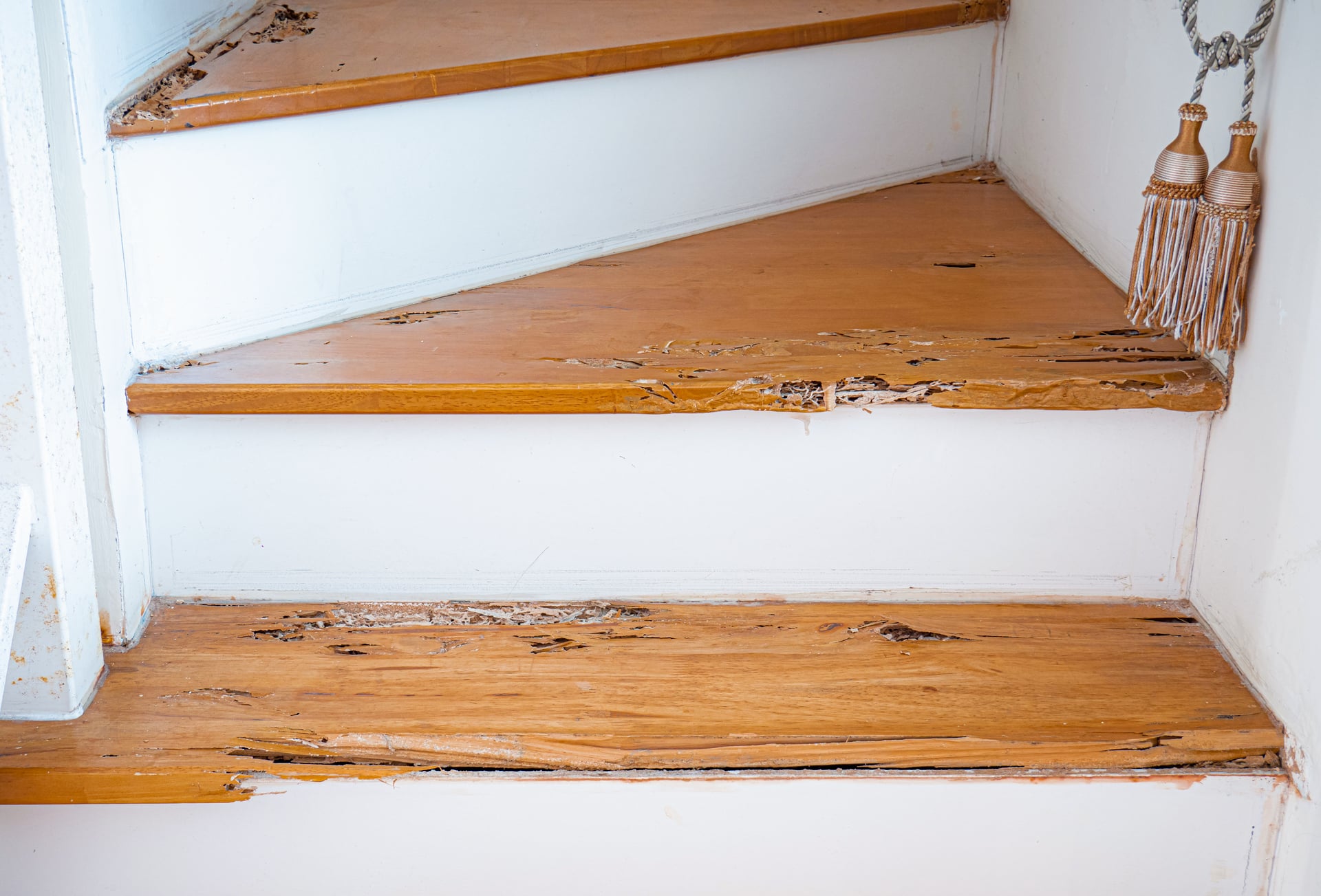
You’re not imagining it—South Florida’s warm, humid climate is essentially a year-round invitation for termites to treat your home like an all-you-can-eat buffet. In Miami-Dade County, where the "swarming season" peaks in spring but activity never truly stops, homeowners often find themselves facing a high-stakes decision: should you tent the house or go tentless?
While the idea of "tenting" a home can feel like a major disruption, ignoring the signs of an infestation is far more costly. Every year, termites cause billions in property damage across the U.S., and Florida remains one of the most affected states. Choosing the right treatment isn't just about killing bugs; it’s about protecting your largest investment.
The Math Behind the Damage
Termites are often called "silent destroyers" because they work from the inside out, hidden behind drywall and under floorboards. Termite control experts note that by the time visible signs like mud tubes or discarded wings appear, a colony has likely been feasting on your structure for three to five years. Because standard homeowners insurance rarely covers termite damage, the cost of repairs—which can easily exceed $10,000—falls entirely on the owner.
How to Choose the Right Treatment
Not all infestations are created equal. The "best" method depends entirely on which of the 10+ local species has moved in. Here is how the pros weigh the options:
When Tenting (Fumigation) is the Gold Standard
For widespread drywood termite infestations, whole-home fumigation is often the only way to ensure 100% elimination. Because drywood termites live deep inside the wood they eat, localized sprays might miss hidden pockets. Tenting involves sealing the structure and using a gas that penetrates every crevice, reaching colonies in attics, support beams, and even furniture.
The Case for Tentless (Localized) Treatments
If an infestation is caught early and is limited to a specific area—like a single door frame or a section of baseboard—tentless treatments can be highly effective. These involve injecting termiticides directly into the wood or using localized foam barriers. The primary benefit here is convenience; families don't have to vacate the premises or remove food and plants.
The Subterranean Exception
It is a common mistake to think a tent will solve every bug problem. Subterranean termites, including the aggressive Formosan "super termite," live in the soil. While a tent might kill the termites currently in the walls, it offers zero residual protection. To stop these invaders, experts recommend soil barriers and baiting systems that target the colony at its source underground.
Pro-Grade Protection
Whether you are dealing with a localized drywood issue or an aggressive subterranean threat, the key is rapid response. Some local teams offer same-day scheduling for inspections, helping Miami residents reclaim their home’s integrity before the damage escalates.
Don't wait for the floors to buckle or the ceilings to droop. If you suspect activity, you can get a professional assessment and learn more about integrated pest management.
911 Pest Experts
City: Palmetto Bay
Address: 9555 Southwest 175th Terrace #202
Website: https://911homehelps.com/
Phone: +1 786 269 6959
Email: info@911homehelps.com


Comments
Post a Comment