Summer Turf Dormancy vs. Damage: Northern KY Experts Reveal Diagnostic Clues
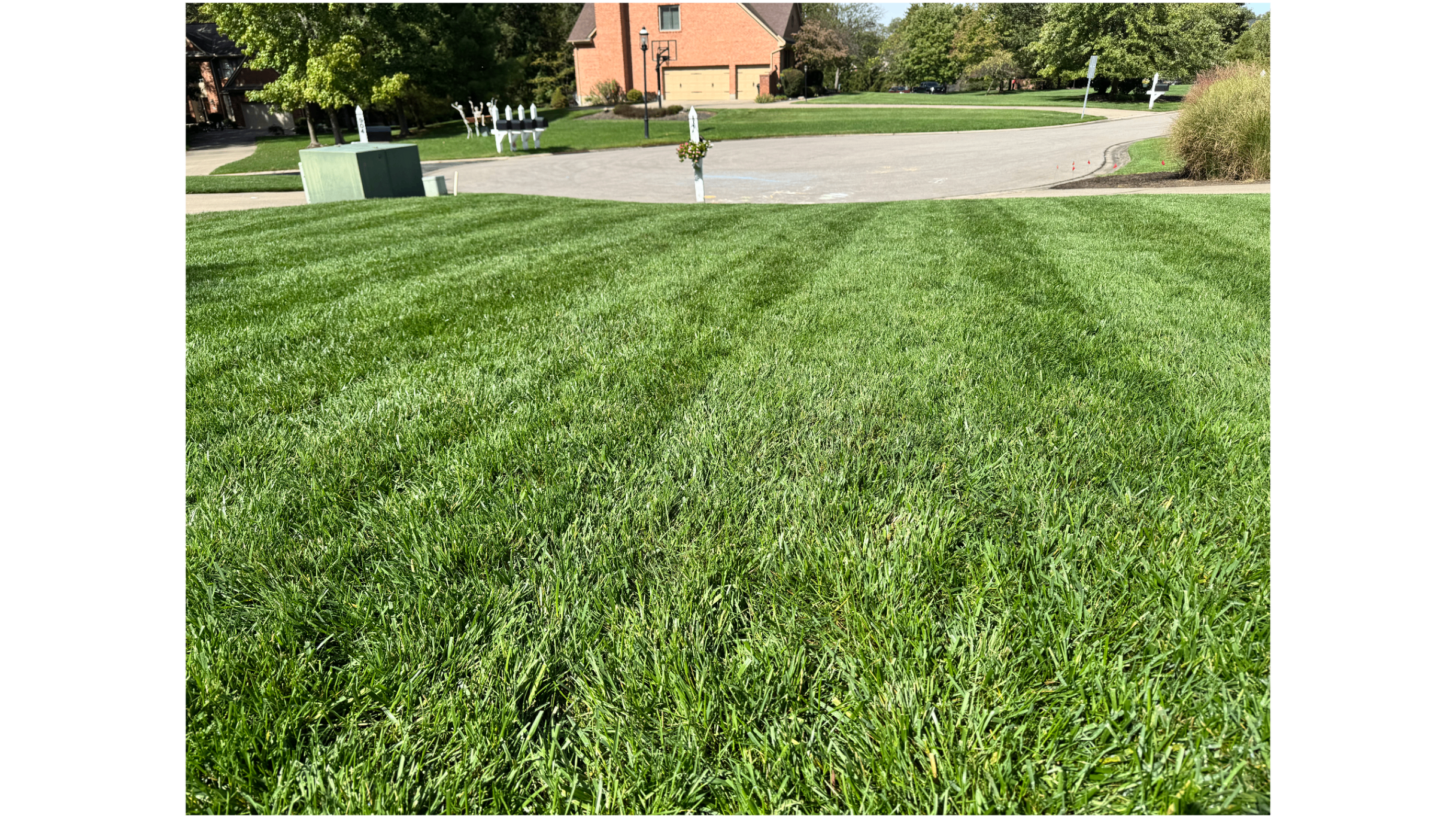
Spring and summer often bring anxiety to Northern Kentucky homeowners watching their once-green lawns turn various shades of brown. The critical question haunting every property owner is whether their Kentucky Bluegrass has entered natural summer dormancy or suffered actual damage requiring immediate intervention. That's precisely why Virginia Tech's turfgrass experts have been compelled to publish summer lawn care guidance. But understanding the difference between dormancy and death could save residents hundreds of dollars in unnecessary treatments and prevent further lawn deterioration.
Cool-season grasses like Kentucky Bluegrass naturally conserve energy during extreme heat and drought by entering dormancy, turning brown while remaining alive at the crown and root system. This survival mechanism allows the grass to endure harsh conditions and recover when favorable weather returns. However, actual damage from diseases, pests, or environmental stress creates permanent brown areas that won't recover without proper treatment.
The challenge for homeowners lies in distinguishing between these two scenarios, especially in Northern Kentucky's unique transition zone climate where summer conditions can push cool-season grasses to their limits. Local turfgrass professionals specialize in helping homeowners make this critical determination through diagnostic services that identify the root cause of lawn browning.
5 Key Warning Signs That Distinguish Dormancy from Damage
1. The Pull Test: Resistant vs. Easy Removal
The pull test provides the most immediate indication of grass health. Grab a handful of brown grass and pull gently but firmly. Dormant Kentucky Bluegrass will resist removal because the root system and crown remain intact and healthy. The grass may break off at the surface, but substantial force is required to extract the entire plant.
In contrast, damaged or dead grass pulls up effortlessly, often bringing soil with it. This easy removal typically indicates root damage from grubs, disease, or severe environmental stress. When grass lifts like a loose carpet, the root system has been compromised or destroyed entirely.
2. Growth Pattern: Circular Patches vs. Uniform Browning
Natural summer dormancy creates relatively uniform browning across the lawn, following sun exposure patterns and soil conditions. The browning typically occurs gradually and affects similar grass areas simultaneously.
Damage presents differently through irregular, circular, or expanding patches that appear suddenly and worsen rapidly. These patterns often indicate fungal diseases like brown patch or pest infestations such as grubs. Disease patches frequently have distinct borders or expanding edges, while dormancy transitions more gradually between affected and unaffected areas.
3. Recovery Response: Watering Test Results
Apply deep watering to a test area and monitor the response over 7-10 days. Dormant Kentucky Bluegrass will begin showing green growth within this timeframe when temperatures moderate, even slightly. The grass may not return to full green immediately, but signs of life and color improvement will be evident.
Truly damaged grass shows no response to watering regardless of how much moisture is applied. Dead grass remains brown and brittle, while diseased areas may actually worsen with excessive moisture, particularly if fungal pathogens are present.
4. Root Inspection: White and Firm vs. Dark and Mushy
Examine the root system by carefully digging up a small section of affected grass. Healthy dormant grass maintains white, firm roots that show resilience when gently tugged. The root system should feel substantial and well-developed even when the above-ground portion appears brown.
Damaged grass displays dark, mushy, or brittle roots that break easily when handled. Root diseases like summer patch create blackened, rotted root systems, while grub damage results in severed or missing roots entirely. This root inspection often provides definitive evidence of the underlying problem.
5. Timing and Weather Context
Consider recent weather patterns and seasonal timing when evaluating lawn browning. Natural dormancy typically occurs during prolonged periods of high temperatures combined with limited rainfall. The browning should correlate with heat stress periods and affect similar grass types uniformly across the neighborhood.
Damage-related browning may occur regardless of weather conditions and often appears during periods when grass should be thriving. Disease-related browning frequently follows periods of high humidity and warm nights, while pest damage can occur throughout the growing season depending on the specific pest lifecycle.
Why Northern Kentucky's Climate Makes Diagnosis Tricky
Transition Zone Challenges for Cool-Season Grasses
Northern Kentucky sits squarely in the transition zone where cool-season grasses like Kentucky Bluegrass face extreme summer stress that pushes them to their survival limits. This geographic location creates unique challenges that make distinguishing dormancy from damage particularly difficult for homeowners.
Cool-season grasses prefer temperatures between 60-75°F for optimal growth, but Northern Kentucky summers regularly exceed 85-90°F with high humidity. These conditions force Kentucky Bluegrass into survival mode, where the line between natural dormancy and heat-related damage becomes increasingly blurred.
Heat and Humidity Create Perfect Storm Conditions
The combination of high temperatures and humidity in Northern Kentucky creates ideal conditions for fungal diseases while simultaneously stressing cool-season grasses into dormancy. This perfect storm makes visual diagnosis extremely challenging because both dormancy and disease can present similar brown, thin appearance.
Additionally, the region's clay soils and rolling terrain create microclimates within individual properties where some areas may experience true dormancy while others suffer actual damage. Professional diagnosis is needed because homeowners often observe multiple conditions simultaneously across their lawn.
Common Culprits Behind Actual Lawn Damage
Brown Patch Disease in Hot, Humid Weather
Brown patch thrives in Northern Kentucky's summer conditions, particularly when nighttime temperatures remain above 70°F with high humidity. This fungal disease creates circular patches of brown, water-soaked grass that expand rapidly during favorable conditions.
Unlike dormancy, brown patch patches have distinct smoky or dark borders and may show a distinctive "frog-eye" pattern with green grass in the center as the disease progresses outward. The affected grass feels slimy or matted when wet and pulls up easily due to root and crown rot.
Grub Damage That Mimics Drought Stress
White grubs feed on Kentucky Bluegrass roots during summer months, creating brown patches that initially resemble drought stress or dormancy. However, grub damage has telltale signs including spongy turf that lifts like carpet and visible C-shaped larvae in the root zone.
Grub damage typically appears in irregular patches that worsen quickly as the insects continue feeding. Unlike dormancy, these areas show no response to watering because the root system has been severed or destroyed by the feeding larvae.
Summer Patch and Other Root Diseases
Summer patch affects Kentucky Bluegrass roots and crowns, creating circular patches of declining turf during hot weather. This disease can be confused with dormancy because it occurs during peak summer stress periods, but affected areas show characteristic black, rotted roots upon inspection.
Other root diseases, such as necrotic ring spot, are also common in Northern Kentucky, and take-all patch can also create declining areas during summer stress periods. These diseases require professional identification and targeted treatment protocols that differ significantly from dormancy management.
Professional Diagnosis Saves Money and Prevents Lawn Loss
Accurate diagnosis represents the difference between successful lawn recovery and expensive treatment failures that can worsen existing problems. Homeowners who misidentify dormancy as disease may apply unnecessary fungicides that stress already-compromised turf, while those who assume disease is dormancy may lose entire lawn areas to preventable damage.
Professional lawn care technicians and certified arborists also identify contributing factors such as soil compaction, nutrient imbalances, or irrigation issues that may not be apparent to homeowners. Addressing these underlying conditions prevents recurring problems and improves long-term lawn health beyond the immediate issue.
Case studies consistently demonstrate that early professional intervention costs significantly less than recovery efforts after misdiagnosis and improper treatment. The investment in professional diagnosis typically pays for itself through targeted treatment protocols and prevention of additional damage.
The complexity of distinguishing summer dormancy from actual lawn damage in Northern Kentucky's challenging climate makes professional expertise invaluable for homeowners serious about maintaining healthy, attractive lawns. Expert turf and tree diagnosis ensures appropriate treatment protocols that address root causes rather than symptoms, leading to faster recovery and long-term lawn health.
TurfGrass Experts
City: Milford
Address: 5400 Dupont Circle
Website: https://www.turfgrassexperts.com


Comments
Post a Comment