Steel vs. Aluminum Frame For Enclosed Trailers: Cost Analysis & Capacity Review
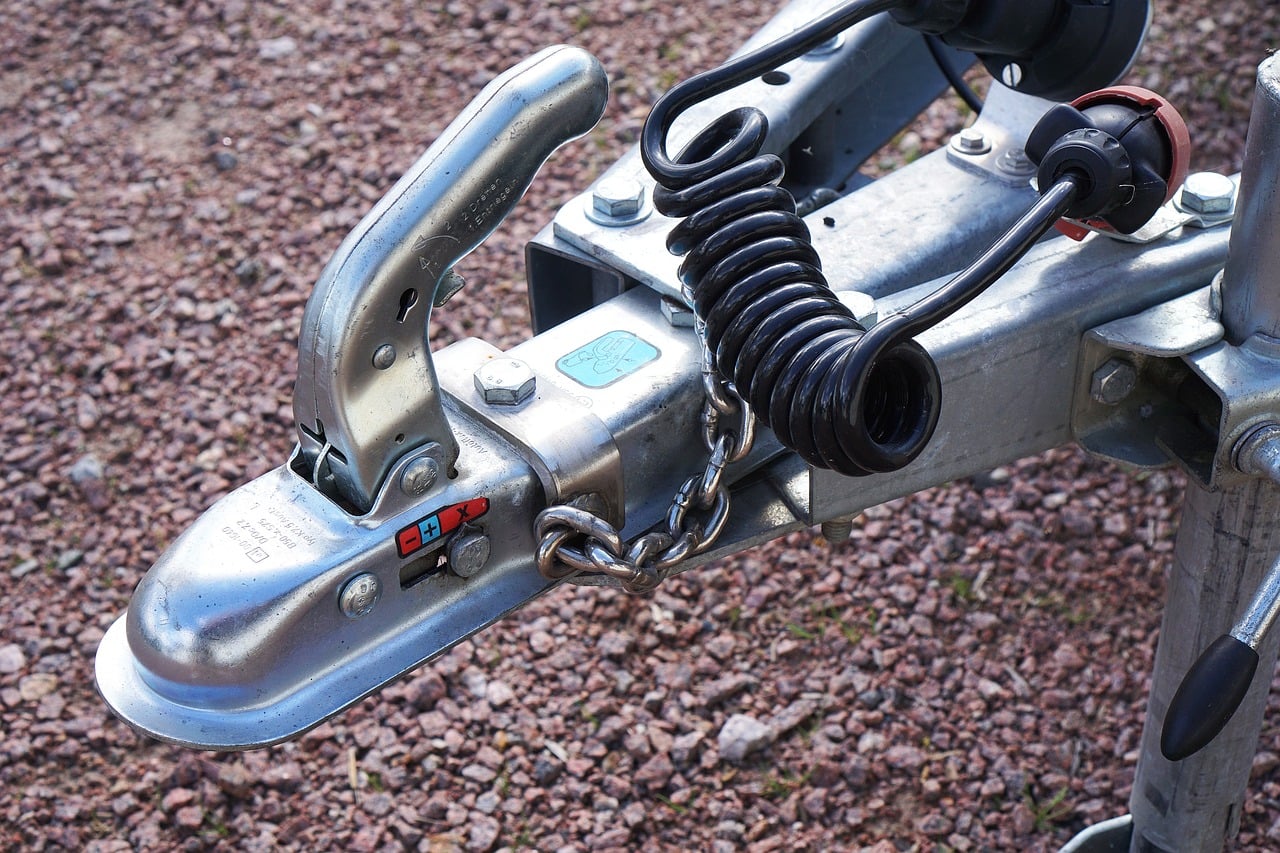
Choosing between steel and aluminum trailer frames isn't just about upfront cost - it's also about matching the right material to specific hauling needs. As OPTRAFFIC notes the increased durability being observed in modern frame constructions, hauling businesses are looking to adopt advanced materials for the betterment of their enterprises. Understanding the key differences in weight capacity, rust resistance, and long-term value helps prospective buyers make informed decisions that save money and headaches down the road.
Weight Per Square Foot: Steel Dominates Heavy-duty Applications
Steel frames deliver unmatched strength when hauling capacity matters most, according to experts. The material's superior load-bearing capability allows cargo to be stacked higher and supports heavier equipment per square foot compared to aluminum alternatives. This strength advantage is critical for commercial applications like transporting excavators, industrial machinery, or dense construction materials where maximum weight distribution is essential.
Steel-frame trailers routinely handle Gross Vehicle Weight Ratings (GVWR) exceeding 20,000 pounds, with some heavy-duty models reaching 90,000 pounds. This raw strength makes steel the go-to choice for contractors, farmers, and industrial operators who regularly transport equipment that would overwhelm lighter frame materials.
Payload Advantage: Why Aluminum Hauls More
The 10-15% Weight Difference That Matters
Aluminum trailers weigh significantly less than steel counterparts of similar size, typically reducing overall trailer weight by 10-15%. This weight reduction translates directly into increased payload capacity within the same GVWR limits. For example, a steel trailer weighing 2,500 pounds versus an aluminum model at 2,125 pounds provides an extra 375 pounds of cargo capacity - and that's enough for additional tools, supplies, or equipment.
The weight savings also improve fuel efficiency during transport. Lighter trailers require less energy to accelerate and maintain highway speeds, resulting in measurable fuel cost reductions over time. Professional haulers and recreational users alike benefit from aluminum's efficiency advantages, especially on longer trips where fuel costs accumulate significantly.
GVWR Math: More Cargo Within Legal Limits
Understanding GVWR calculations reveals aluminum's practical advantage. If a towing vehicle has an 8,000-pound capacity and businesses need a trailer with a 7,000-pound GVWR, the aluminum option's lighter weight means more available payload. A steel trailer might weigh 1,800 pounds (leaving 5,200 pounds for cargo), while the aluminum equivalent weighs 1,530 pounds (providing 5,470 pounds for cargo) - an extra 270 pounds within legal limits.
Steel vs. Aluminum Construction: Strength Meets Flexibility
How Steel Handles Force: Rigid Until It Cracks
Steel's high modulus of elasticity means it absorbs tremendous force before bending, making it exceptionally rigid under load. This rigidity provides excellent stability for heavy cargo but comes with limitations. Steel maintains its shape until reaching a critical stress point, then fails suddenly through cracking or permanent deformation. Once bent or cracked, steel requires professional repair to restore structural integrity.
Aluminum's Flex Factor: Redirecting Impact Energy
Aluminum trailer frames offer three times the flexibility of steel, allowing them to redirect impact energy rather than absorbing it completely. This flexibility stems from high-grade aluminum alloys blended with titanium, copper, zinc, and chromium, then strengthened through engineered extrusion processes. The result is a material that bends under stress but returns to its original shape, providing resilience against road impacts and loading stresses.
When Damage Happens: Self-Correcting vs. Permanent Bends
Aluminum's flexibility advantage becomes most apparent after minor impacts. Small dents and bends in aluminum frames can sometimes work themselves out over time through normal use. More significant damage may require specialized techniques or professional attention rather than simple field repairs. Steel damage, however, creates permanent deformation requiring professional welding or replacement to restore proper function and appearance.
Rust Resistance Reality Check
Steel's Oxidation Challenge: Road Salt and Moisture
Steel frames face constant oxidation threats, especially in climates with road salt, high humidity, or frequent precipitation. Iron content in steel alloys naturally reacts with oxygen and moisture to form rust, which weakens structural integrity over time. Flying gravel, stress bending, or normal wear can compromise protective zinc coatings and paint layers, creating entry points for corrosion.
Preventive maintenance becomes crucial for steel trailer longevity. Regular washing, especially after exposure to road salt, helps remove corrosive agents. Inspecting for coating damage and applying rust inhibitors prevents minor issues from becoming major structural problems. However, extensive rust damage may require complete frame refinishing—stripping existing coatings and applying new zinc and paint layers.
Aluminum Alloys: Built for Corrosion Resistance
Modern aluminum trailer alloys resist rust through carefully engineered compositions that minimize oxidation-prone metals while maintaining strength. Aluminum itself doesn't rust, though other alloy metals can corrode under extreme conditions. Manufacturers have invested heavily in developing rust-resistant formulations that withstand harsh weather, road salt, and moisture exposure while maintaining structural performance.
While aluminum resists rust, other forms of corrosion can occur, causing surface degradation over time. However, these issues typically affect appearance rather than structural integrity and respond well to basic cleaning and maintenance procedures.
True Cost Analysis: Purchase Price vs. Long-Term Value
Upfront Investment: Steel's Budget-Friendly Entry Point
Steel trailers consistently cost less initially, making them attractive to budget-conscious buyers or those with immediate hauling needs. The lower purchase price reflects steel's abundant availability and simpler manufacturing processes compared to aluminum's complex extrusion requirements. This cost advantage allows buyers to acquire larger capacity or additional features within the same budget.
Maintenance Requirements: Regular Care vs. Minimal Upkeep
Steel trailers demand more intensive maintenance to preserve their lifespan and appearance. Regular washing, rust prevention treatments, and coating repairs add ongoing costs and time requirements. If a trailer has a wooden deck, that deck will require inspection for rot and periodic replacement regardless of frame material. Professional refinishing may become necessary if rust damage spreads extensively.
Aluminum trailers require minimal maintenance beyond standard cleaning and inspection. Their rust-resistant properties eliminate most coating and refinishing needs, reducing long-term care costs significantly. Simple hose washing suffices for most cleaning needs, and surface corrosion issues respond to basic treatments rather than expensive professional services.
Resale Value: Why Aluminum Holds Its Worth Better
Aluminum trailers typically retain better resale value over time compared to steel trailers that depreciate more rapidly due to rust damage and appearance degradation. The combination of rust resistance, lighter weight advantages, and reduced maintenance requirements makes used aluminum trailers more desirable in the resale market. This value retention often offsets the higher initial purchase price over the trailer's lifespan.
Choose Steel for Heavy Equipment, Aluminum for Everything Else
The decision between steel and aluminum often comes down to specific hauling requirements and usage patterns. Steel frames excel when maximum load capacity matters most: heavy construction equipment, industrial machinery, or dense materials that require rigid support. Commercial operators hauling excavators, large agricultural equipment, or similar heavy items almost exclusively choose steel for its unmatched load-bearing capabilities.
Aluminum frames work best for lighter, more frequent hauling needs where weight savings and ease of handling provide clear advantages. Recreational users transporting ATVs, motorcycles, or general cargo benefit from aluminum's fuel efficiency, reduced wear on towing vehicles, and minimal maintenance requirements. The material's flexibility also handles rough roads and varied loading conditions better than rigid steel alternatives.
For those unsure about their long-term trailer needs, experts argue that aluminum's versatility and value retention make it a safer investment, while steel's lower entry cost suits those with clearly defined heavy-duty requirements and a willingness to maintain their equipment properly.
Poplar Bluff Trailer
City: Poplar Bluff
Address: 135 Hwy T Suite B
Website: https://www.poplarblufftrailer.com/


Comments
Post a Comment