Signs of Termite Infestation Every Houston Homeowner Should Know This Spring
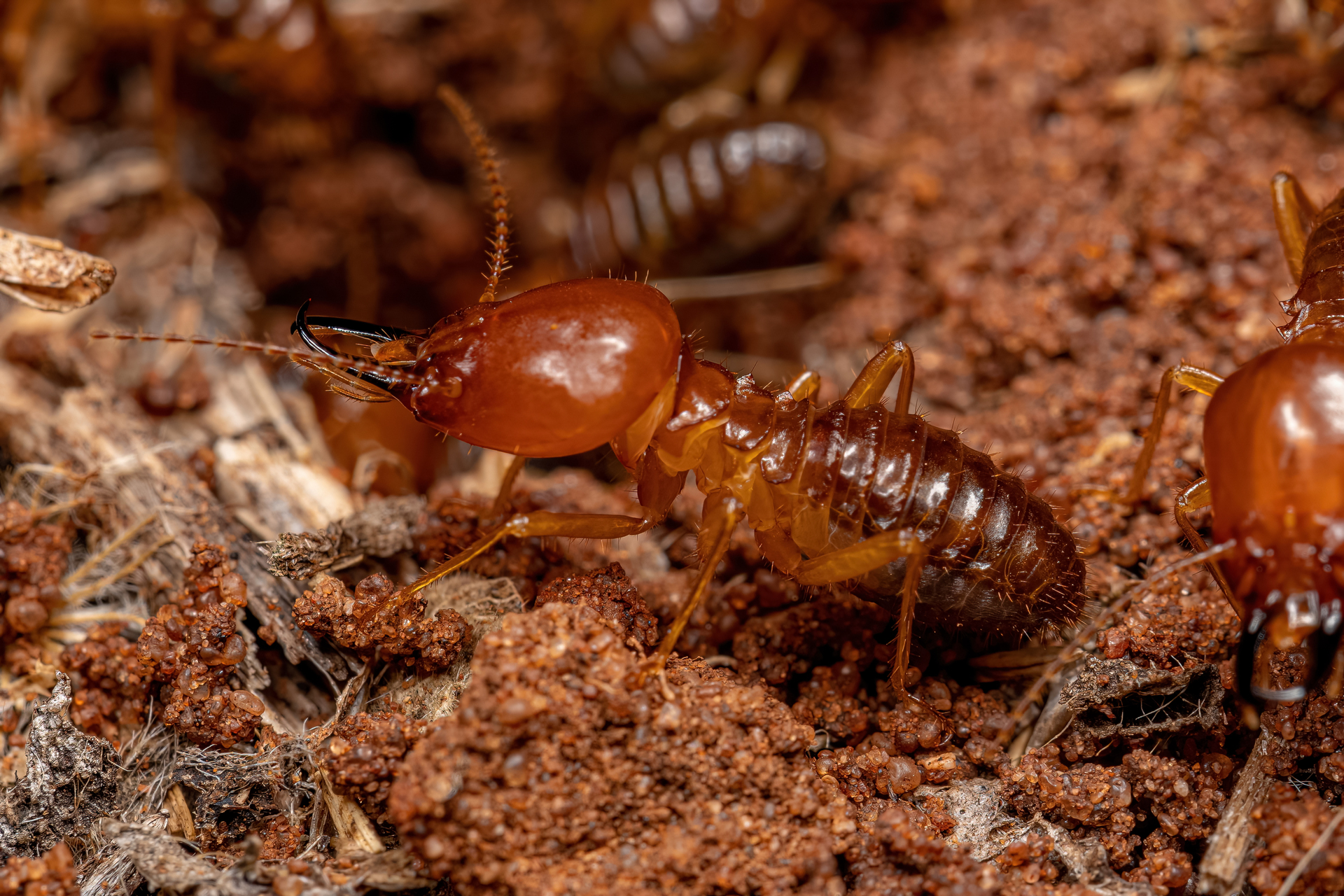
Spring marks the beginning of termite swarm season in Houston, and homeowners need to stay vigilant. As temperatures warm and humidity rises, reproductive termites emerge from mature colonies to establish new nests—often inside residential structures.
Termites cause over fifty billion dollars in property damage annually across the United States, with the Houston region ranking among the most susceptible areas. The warm, humid spring weather creates ideal conditions for these destructive pests to expand their colonies.
Learning how to tell if termites are active during the spring swarm season can save homeowners thousands in repair costs and protect their most valuable investment.
Why Spring Is Critical for Termite Detection
Termite colonies spend years maturing underground before producing swarmers. When spring arrives, these winged reproductive termites emerge in large numbers, typically on warm days following rainfall. Houston's spring weather—mild temperatures combined with afternoon showers—creates perfect swarming conditions.
This seasonal activity makes spring the ideal time to spot termite warning signs. Infestations that remained hidden during the winter months suddenly become detectable as swarmers appear near windows, doors, and light sources.
Five Warning Signs of Active Spring Termite Infestations
Several indicators suggest termites have established colonies within a structure.
Discarded wings near doors and windows serve as the most common spring warning sign. Reproductive termites shed their wings after emerging from mature colonies to establish new ones. Finding small piles of translucent wings near entry points—especially after warm spring days—suggests a colony exists nearby. These wing piles often appear on windowsills, near door frames, or caught in spider webs around the foundation.
Frass accumulation reveals drywood termite presence. These pests push their fecal pellets out of tiny holes in infested wood, creating small mounds that resemble sawdust or coffee grounds. Frass piles appearing repeatedly in the same location warrant immediate professional evaluation.
Mud tubes along foundation walls signal subterranean termite activity. These species construct protective tunnels from soil particles and saliva to travel between underground nests and above-ground food sources. Spring rains soften soil, making tube construction easier and increasing subterranean termite activity. Tubes typically appear along concrete foundations, in crawl spaces, and near plumbing penetrations. Breaking off a small section and checking whether it gets rebuilt within a few days confirms active infestation.
Blistering or buckling floors often get mistaken for water damage. When termites consume subflooring materials, the surface above develops uneven areas that feel soft underfoot. Floors exhibiting these symptoms without corresponding moisture problems require termite inspection.
Hollow-sounding wood indicates internal consumption. Tapping on door frames, baseboards, or window sills produces a hollow or papery sound when termites have eaten away the interior material. Some homeowners also report faint clicking sounds within walls, which soldier termites produce when disturbed.
Termite Identification During Swarm Season
Spring swarms create confusion because termites and flying ants emerge around the same time. Both species vary in color and size, making visual identification difficult during brief glimpses of swarming insects.
Wing length provides the most reliable visual distinction. Termite wings measure equal length on all four appendages, while ant front wings extend noticeably longer than rear wings. Additionally, termite antennae grow straight or slightly curved, whereas ant antennae bend at sharp ninety-degree angles.
Body shape differs significantly between species. Termites display thick waists connecting the thorax and abdomen, while ants possess distinctly pinched waists.
A Houston exterminator can accurately identify pest species and recommend appropriate treatment protocols based on their findings.
Common Termite Species Active in Houston This Spring
Three primary termite types threaten Houston properties during swarm season.
Eastern subterranean termites cause the most structural damage in Texas and swarm primarily from February through May. These species maintain colonies underground and construct mud tubes to access above-ground food sources. Their colonies can contain millions of individuals, consuming wood continuously around the clock.
Formosan termites, an aggressive subterranean species, swarm later in spring, typically May through June, often at dusk near lights. Their colonies grow larger and cause damage more quickly than those of native species.
Drywood termites establish colonies directly within wooden structures. They require no ground contact and often infest attic framing, door frames, and furniture. Drywood colonies grow more slowly but cause concentrated damage in infested areas.
Spring Prevention Strategies That Reduce Risk
Proactive measures during spring reduce termite attraction to residential properties.
Eliminating moisture sources removes essential conditions that termites need to survive. Spring rains can create standing water and drainage issues. Fixing leaky pipes, maintaining gutters and downspouts, and ensuring proper drainage around foundations creates less hospitable environments for these pests.
Storing firewood away from exterior walls prevents termites from establishing bridges into structures. Wood piles leaning against homes provide direct pathways for colonies to access building materials. Maintaining at least twently feet of clearance helps prevent this common infestation route.
Sealing foundation cracks blocks entry points for subterranean species. Spring inspections of concrete slabs, basement walls, and areas where utilities penetrate foundations identify vulnerabilities before termites exploit them.
Why Spring Inspections Matter
Spring provides the best opportunity to catch termite problems early. Swarm activity reveals infestations that remained hidden during cooler months, and catching problems now prevents damage from accelerating through summer when termite colonies are most active.
Professional inspectors assess not only the current presence of termites but also risk factors that might attract future infestations. Their comprehensive evaluations include recommendations for both treatment and prevention tailored to each property's specific conditions.
ABC Home & Commercial Services has protected Houston homes from termites for over thirty-five years. Their team of licensed technicians provides thorough inspections, effective treatments using Sentricon bait systems, and ongoing monitoring programs. The company offers free estimates and customized treatment plans.
Houston homeowners ready to protect their properties this spring can request an estimate through termite control services and schedule a professional inspection before swarm season peaks. Content strategy provided by national digital marketing agency ASTOUNDZ.
ABC Home & Commercial Services Houston
City: Cypress
Address: 11934 Barker Cypress Rd
Website: https://www.abchomeandcommercial.com/houston
Phone: +1 281 730 9500


Comments
Post a Comment