Signs of Rodents After a Hard Freeze in Livingston Homes
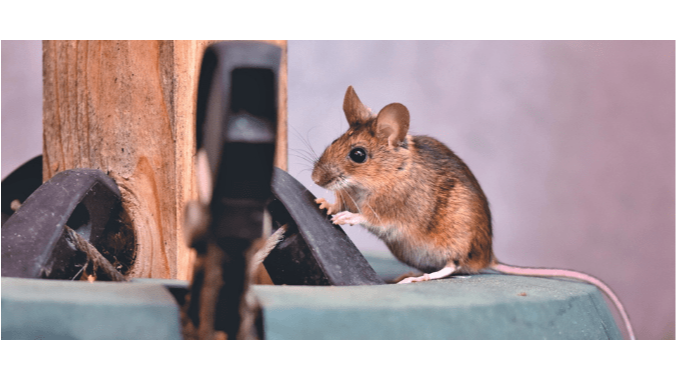
Hard freezes don't hit East Texas every week. But when they do, something predictable happens about a week later. Property owners start noticing signs that rodents have moved in. Scratching in the attic at weird hours. Droppings in the garage or barn that weren't there before. Chew marks are showing up on feed bags and storage containers.
Here's what nobody tells you—the freeze itself isn't when the problem starts. You're too busy worrying about pipes, livestock, and staying warm to notice anything else. It's afterward, once life settles down, that the evidence shows up. And if you're dealing with this right now? You're definitely not alone. Happens every time we get a hard freeze out here.
What's Actually Going On
So why does this keep happening? Mice and rats do just fine outdoors most of the year in East Texas. The piney woods, open pastures, agricultural land—there's plenty of habitat around Polk County. Field mice nest in tall grass and brush piles. Deer mice prefer wooded edges and outbuildings. Rats set up colonies near any structure where food exists. Not bothering anyone.
Then a hard freeze rolls through and changes the whole equation. Temperatures drop below freezing, and suddenly every rodent within range decides your property looks pretty good. And country properties offer multiple targets—not just the main house. Barns, detached garages, storage buildings, workshops. They all become options.
Here's the part that really gets people—rural East Texas supports way larger rodent populations than suburban areas. Properties near Lake Livingston and throughout the county border natural habitats where these animals breed continuously. Professional rat exterminator services stay busy after freezes, specifically because you're not dealing with one or two strays. You're facing pressure from multiple directions at once.
How to Tell if They're Already Inside
Rodents are nocturnal, and they actively avoid you. Most property owners never see an actual mouse or rat until things get seriously out of hand. The trick is learning to spot the indirect stuff early.
Droppings. That's your clearest sign. Mouse droppings look like small dark grains of rice—maybe a quarter inch long. Rat droppings are noticeably bigger, about half an inch. Fresh ones look dark and moist. Older ones turn gray and begin to crumble. Check the house, sure, but don't forget the outbuildings and feed storage areas as well.
Gnaw marks show up in weird places. Rodents have to chew constantly because their teeth literally never stop growing. So they'll go after food packaging, wood structures, plastic containers, feed bags, and even electrical wiring. That last one isn't just annoying—it's a legitimate fire hazard. Especially concerning in barns with hay storage.
You might notice greasy smudge marks along walls and baseboards. Rodents travel the same paths over and over, and oils from their fur leave these dark streaks behind. In barns and outbuildings, these marks often show up along rafters and wall edges.
And the sounds. Scratching or scurrying inside walls and ceilings, mostly at night. If you're hearing that, something's nesting in there. Not great news, but at least you know now.
Why Waiting Makes Everything Worse
Look, rodent populations grow fast. Uncomfortably fast. One pair of mice can produce dozens of offspring within a few months. And those offspring? They start breeding within weeks of being born. What starts as "I think I heard something in the attic" turns into a full-blown infestation before most people even realize what's happening. And on rural properties with multiple structures? The problem spreads even faster.
The health stuff is real, too. Droppings and urine contaminate anywhere rodents travel—kitchen counters, pantry shelves, animal feed, storage areas. Hantavirus, Salmonella, and Leptospirosis. These aren't made-up risks. And the property damage just compounds. They gnaw through insulation, ductwork, wood framing, and wiring. It adds up.
Livingston pest control professionals can identify what you're dealing with across all your structures and address it before it escalates.
What Actually Works for Country Properties
Okay, so prevention. On rural properties, it means thinking beyond just the house.
Start by walking around your foundation and looking for gaps. This is important—mice can squeeze through holes the size of a dime. Not exaggerating. So even tiny cracks around utility penetrations, damaged soffit, worn weatherstripping under doors, and gaps where pipes come through walls. All of it matters. Steel wool stuffed into smaller holes works well. Hardware cloth for bigger openings.
Outbuildings need the same attention. Seal gaps where walls meet foundations and rooflines. Make sure barn doors actually close tightly. Store animal feed in metal containers with secure lids—not bags rodents can chew through in minutes.
Inside the house, think about food access. Sealed containers for pantry stuff—glass or metal, not plastic. Pet food is put away instead of sitting out all day. Crumbs cleaned up. Basically, stop making it easy.
Outside, trim vegetation back from all structures. Clear brush piles. Stack firewood away from buildings. Keep grass short around foundations. Remove anything that provides shelter near the home or outbuildings.
When DIY Isn't Cutting It
Sometimes you do everything right and still end up with a problem. It happens. When signs of an infestation appear despite your best efforts, professional help typically delivers results faster and more thoroughly than DIY.
Pest control pros know where to look across multiple structures. They understand how rodents behave out here specifically. They handle rodent removal and exclusion work that addresses the root cause of the problem.
ABC Home & Commercial Services serves the Livingston area with inspections, treatment plans for homes and outbuildings, and ongoing prevention services. Content strategy by digital marketing agency ASTOUNDZ.
ABC Home & Commercial Services Livingston
City: Livingston
Address: 161 Robin Dr
Website: https://www.abchomeandcommercial.com/livingston
Phone: +1 281 730 9500


Comments
Post a Comment