Should You Soft Wash Your Roof? Reasons Why It's Fast-Becoming the Gold Standard
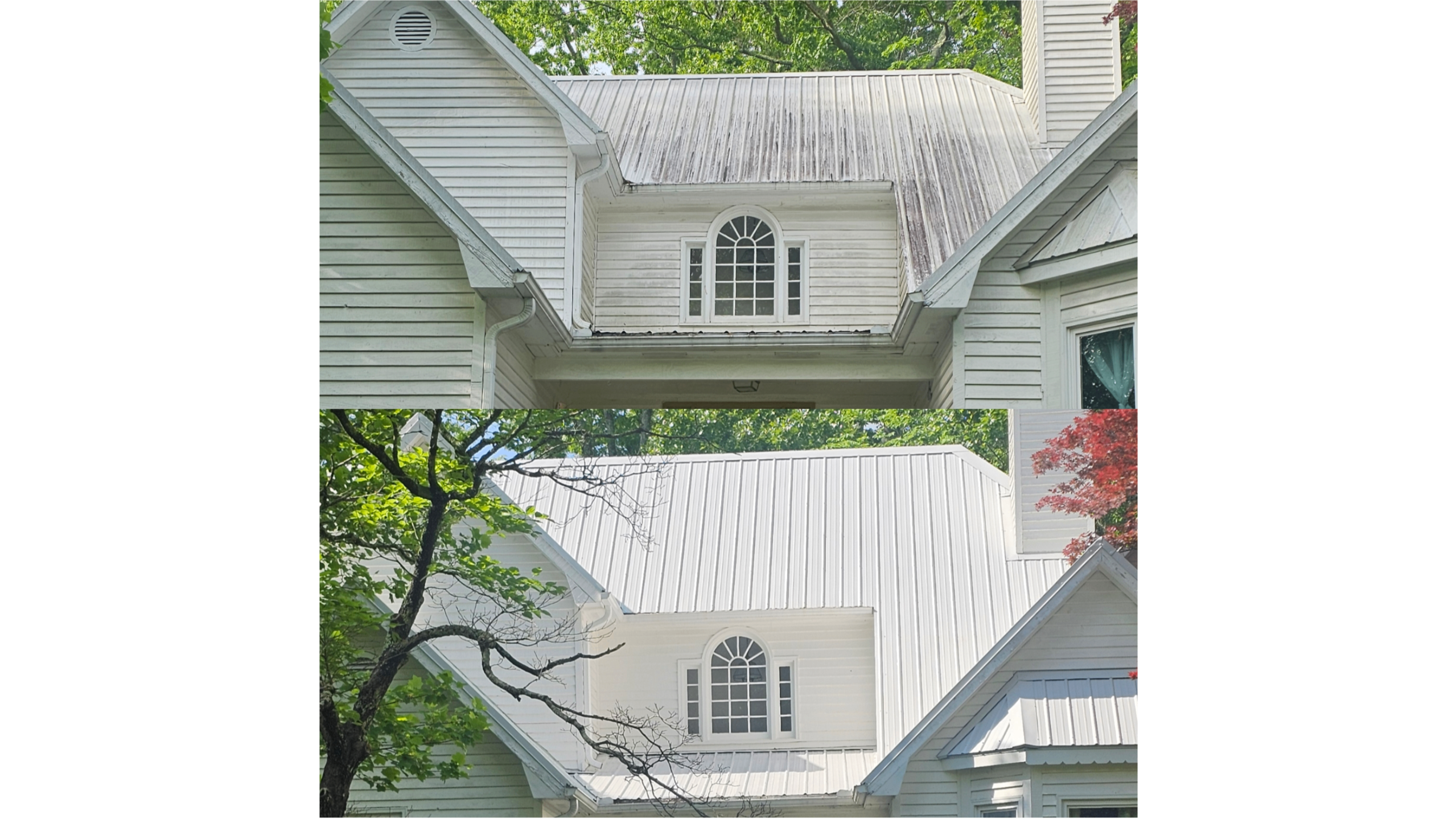
For decades, homeowners turned to high-pressure power washing to clean their roofs, believing a strong spray was the quickest way to remove dirt, moss, and algae. While effective at surface cleaning, high-pressure washing can come with serious, often overlooked risks.
The intense force of a power washer can strip protective granules from asphalt shingles or crack more fragile roofing materials like clay or slate tiles. Water can even be forced beneath shingles, leading to leaks, mold growth, and structural damage. Beyond physical damage, many roof warranties explicitly state that using a power washer can void coverage, leaving homeowners responsible for expensive repairs.
These risks have led both professionals and homeowners to rethink how roofs should be cleaned. Enter soft washing, a gentler and increasingly preferred approach.
What Soft Washing Is and How It Works
Soft roof washing uses low-pressure water combined with specialized cleaning solutions to remove algae, moss, and debris safely. Instead of relying on brute force, it depends on biodegradable detergents that break down grime and microorganisms on the roof’s surface.
Because the process is gentle, it does not strip protective granules from shingles or damage delicate roofing materials. This method not only cleans effectively but also addresses the root causes of moss and algae growth, helping prevent quick reaccumulation.
Why Soft Washing Is the Preferred Method for Professionals
Soft washing is quickly becoming the go-to method for roof maintenance among professionals. Here are five reasons why:
- Preserves Roofing Materials - By avoiding high-pressure sprays, soft washing protects shingles, tiles, and other roofing components from unnecessary wear.
- Extends Roof Lifespan - Removing moss, algae, and debris reduces moisture retention, slowing down deterioration and rot over time.
- Prevents Mold and Mildew Growth - Gentle cleaning ensures water does not seep under shingles, preventing mold buildup that can compromise structural integrity and indoor air quality.
- Improves Energy Efficiency - Roofs darkened by dirt and algae absorb more heat, increasing cooling costs. A clean, reflective surface keeps your home cooler and reduces energy bills.
- Warranty-Safe Cleaning - Since soft washing does not damage roofing materials, it typically does not void manufacturer warranties, providing peace of mind for homeowners.
Roofs That Benefit Most from Soft Washing
Soft washing is particularly effective on asphalt shingles, tile roofs, cedar shake, and metal roofs. These materials are vulnerable to erosion or cracking from high-pressure washing. Even older or delicate roofs that would risk damage under traditional power washing respond well to the gentle approach, making soft washing a versatile solution for nearly any residential or commercial property.
Extend Your Roof’s Life with Professional Soft Washing
So, is soft washing really worth it?
By addressing algae, moss, and dirt safely, soft washing protects your home, preserves roofing materials, and can even lower your energy bills. For homeowners concerned about warranty compliance and long-term maintenance, professional soft washing is increasingly seen as the safest, most effective choice.
With the risks of traditional power washing well-documented and the benefits of soft washing clear, it is no wonder this method is fast becoming the gold standard for roof care.
Josh Pressure Washing & Roof Cleaning
City: Cumming
Address: 6911 Springcreek Ln
Website: https://www.joshpressurewash.com
Phone: +1 404 974 5119
Email: joshpressurewash@gmail.com


Comments
Post a Comment