Self-Defense Training Benefits: Switzerland Expert Shares Why it Matters
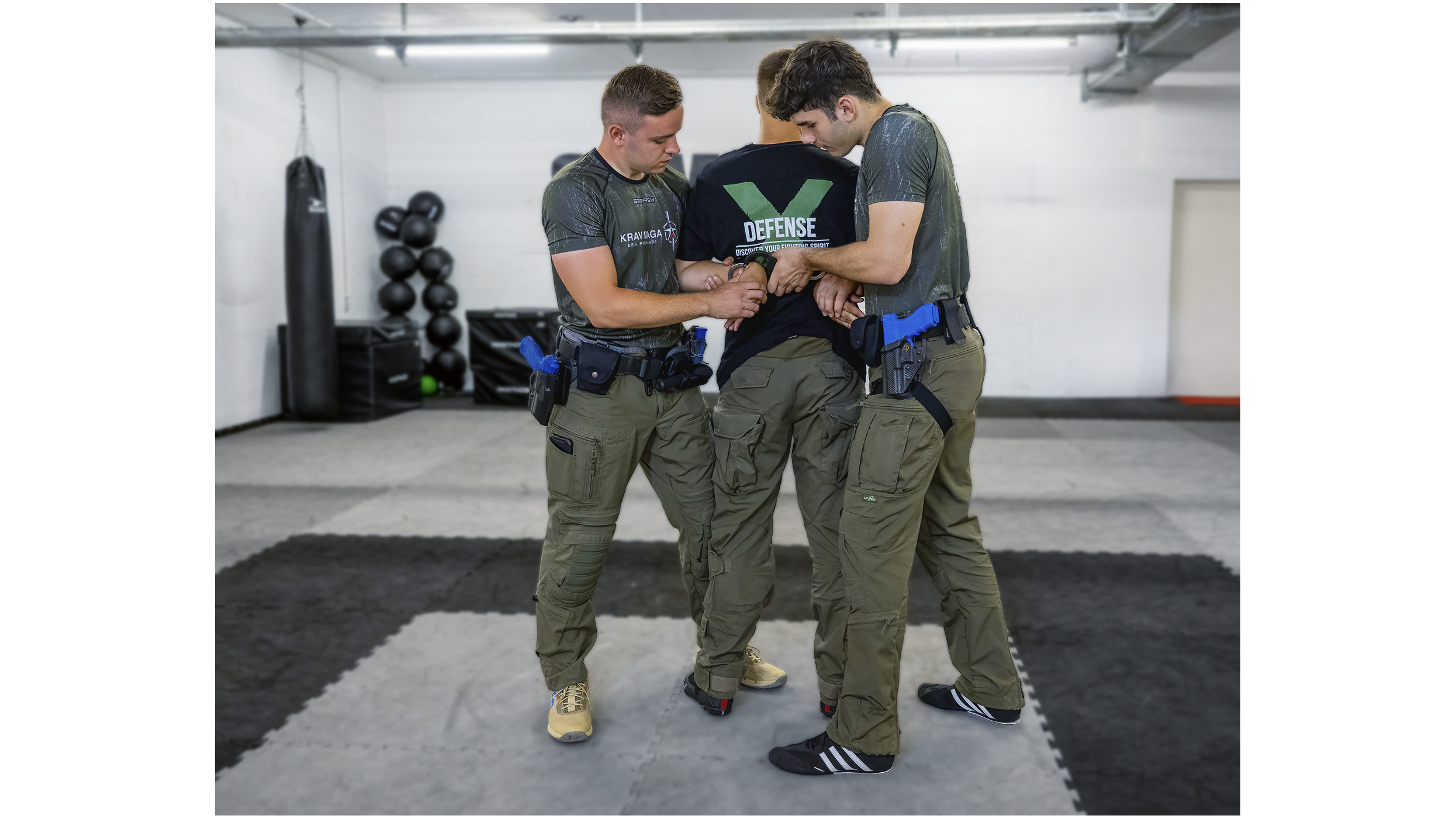
Research on personal safety programs shows nearly two-thirds of participants feel more secure in their daily lives after completing self-defense training. What surprises most people is that this newfound confidence stems less from physical fighting ability and more from learning to read situations and respond appropriately.
Beyond the physical techniques most people associate with self-defense, comprehensive training programs teach awareness, mental preparation, and practical skills that reshape how you move through everyday life. An expert from Switzerland-based SAMI-X explains how the right training transforms more than just your ability to handle threats.
The Physical Benefits Extend Beyond Fighting Skills
Building Functional Fitness Through Real-World Movements
Unlike traditional gym routines that isolate muscle groups, self-defense training engages your entire body through movements that mirror actual defensive situations. As you practice strikes, blocks, and defensive positions, your cardiovascular system adapts to sustained activity levels that build endurance without monotonous treadmill sessions. This functional approach strengthens muscles while improving coordination, since every technique requires balance adjustments and directional changes that challenge your body's spatial awareness.
The warm-ups and techniques naturally increase flexibility by demanding a full range of motion from your joints. Meanwhile, your metabolism responds to the combination of strength and cardio work, often leading to weight loss without strict diets or separate fitness regimens.
Training Your Body to Perform Under Stress
When adrenaline floods your system during a real threat, untrained bodies often freeze or react chaotically. Because self-defense classes simulate this physical stress, your muscles develop memory patterns that activate even when fear overwhelms conscious thought. Breathing techniques taught in quality programs become automatic, helping you maintain oxygen flow and mental clarity precisely when you need them most.
This conditioning doesn't just prepare you for confrontations. The same stress management skills transfer to job interviews, medical emergencies, or any high-pressure moment when clear thinking makes the difference between good and poor outcomes.
Mental Strength Matters More Than Physical Power
Confidence That Changes How Others See You
After completing self-defense training, people carry themselves differently in ways that potential threats instinctively recognize. The shift appears in your eye contact, posture, and how you occupy space in parking lots, public transit, or unfamiliar neighborhoods. Rather than appearing uncertain or vulnerable, you project an awareness that makes predators look elsewhere for easier targets.
This confidence doesn't stay confined to safety situations either. Your boundary-setting abilities improve across professional relationships, family dynamics, and casual interactions where others might otherwise test your limits. Because you've practiced staying calm under simulated pressure, everyday decisions become clearer and less influenced by anxiety about worst-case scenarios.
Managing Fear When Danger Appears
Most people freeze, flee, or react wildly when adrenaline surges during dangerous encounters. Through repeated training, you learn to recognize these physical responses and channel them productively rather than letting them control your actions. Your breathing stays controlled, your attention focuses on options rather than panic, and your hands remember techniques even while shaking from stress hormones.
What's remarkable is how this mental conditioning spreads into other areas where pressure builds. Public speaking feels less terrifying, emergency situations involving loved ones become more manageable, and confrontational conversations at work no longer trigger the same overwhelming anxiety.
Practical Skills That Work in Real Situations
Techniques Designed for Everyone
- Effective self-defense targets vulnerable areas and uses leverage, eliminating the need for superior strength or athletic background.
- Breaking free from grabs exploits the attacker's momentum and grip weaknesses rather than requiring you to overpower them through force.
- Simple strikes to the eyes, throat, and groin create escape opportunities even against larger, stronger opponents who have grabbed you.
- Ground defense protects you if an attack takes you to the floor, addressing the scenario where many people feel most helpless.
Prevention Skills That Keep Trouble Away
- Learning to recognize suspicious behavior patterns lets you change routes or seek help before situations escalate into physical danger.
- De-escalation uses verbal assertiveness and body language to defuse conflicts, often eliminating the need for any physical response.
- Setting clear boundaries through communication lets you firmly reject unwanted attention while maintaining control of the interaction's direction.
- Understanding environmental risk factors guides smart choices about when to avoid certain areas, travel with others, or take alternative routes.
The Community Support Makes the Difference
Connections Built Through Shared Growth
Training alongside others creates unique bonds based on mutual encouragement rather than competition or judgment. Because everyone starts somewhere and progresses at their own pace, quality programs foster supportive environments where all fitness levels feel welcome. These relationships often extend beyond class time, with training partners understanding your personal safety concerns in ways friends outside the program might not.
Beyond the social connections, instructors who emphasize respect throughout training help students develop interpersonal skills that improve workplace dynamics and social interactions. The discipline of regular attendance and consistent practice builds persistence and responsibility that benefit every life area from career advancement to personal projects.
Protecting Your Family Through Knowledge
Parents gain more than personal defense skills through proper training. They learn age-appropriate techniques to teach children about staying safe without creating paralyzing fear about the world around them. When you understand how to defend yourself, protecting family members who might be targeted alongside you during an incident becomes more instinctive rather than panic-driven.
Your awareness training also helps you recognize when children or elderly relatives face unsafe situations they haven't noticed themselves. Perhaps more importantly, the boundary-setting skills you model teach younger family members by example how to stand up for themselves and reject inappropriate behavior from others.
Choosing the Right Training Program
What Separates Quality Instruction from the Rest
Quality programs prioritize practical techniques over flashy movements that only work in controlled environments with cooperative partners. Instructors should bring experience beyond martial arts practice alone, demonstrating deep understanding of real-world violence dynamics and how actual confrontations unfold. Smaller class sizes allow individual attention that helps you develop proper form before bad habits take root.
The best training incorporates scenario-based practice that simulates the chaos and stress of real encounters. Additionally, programs should address legal considerations about when and how you can legally defend yourself, preventing legal troubles after protecting yourself from genuine threats.
Taking the First Step Toward Preparedness
Self-defense training reshapes how you navigate the world by building confidence, physical capability, and mental resilience that serve you daily. Beyond physical safety, the skills you gain improve your health, strengthen relationships, and expand your comfort zone in meaningful ways. Finding qualified instruction near you that emphasizes practical applications over theatrical techniques ensures you learn methods that actually work when needed most.
SAMI-X Switzerland
City: Winterthur
Address: 24 Hegmattenstrasse
Website: https://www.sami-switzerland.ch


Comments
Post a Comment