Roof Replacement Cost: NC Contractor Explains Key Pricing Factors
Key Takeaways
- Roof replacement typically costs between $4 and $11 per square foot, with total projects averaging $7,500 to $14,000 for most homes
- Material choice drives pricing dramatically, from affordable asphalt shingles at $3-$6 per square foot to premium slate at $10-$30 per square foot
- Labor represents 40-60% of total costs, with steeper roofs and complex designs requiring more time and specialized safety equipment
- Hidden expenses like permits, old roof removal, and structural repairs can add thousands to your budget
- Timing matters since off-peak seasons often bring lower labor rates and faster scheduling compared to busy summer months
Most homeowners face serious sticker shock when roof replacement quotes arrive, with prices ranging anywhere from $5,800 to over $46,000 depending on dozens of variables. Connecting with experienced roofing professionals early in your planning process helps you understand which factors apply to your specific situation before committing to a budget.
Several key elements determine whether you'll pay closer to the low end or find yourself investing significantly more. Here's what actually moves the needle on your final bill and how to plan accordingly.
Key Roof Replacement Pricing Factors
Cost by Roof Size
Your roof's size creates the starting point, though it rarely tells the complete story about what you'll actually spend on replacement. For a typical 1,500 square foot home, expect a roof area closer to 1,800 square feet once you account for pitch and overhangs. That difference matters because contractors price by actual roof area, not the living space underneath your shingles.
A 2,000 square foot roof typically costs between $7,500 and $22,000 depending on material choices and complexity of the installation work required. Smaller roofs around 1,200 square feet might run $4,500 to $13,200, while larger 3,600 square foot roofs can reach $13,500 to $39,600.
Cost by Materials
Material selection then multiplies that base cost in ways that surprise many homeowners during initial consultations and estimate reviews. Standard asphalt shingles remain the most budget-friendly choice at $3 to $6 per square foot installed, making them popular despite their shorter lifespan. When you upgrade to architectural shingles, you're looking at $4 to $6 per square foot for improved durability and enhanced curb appeal.
Metal roofing jumps significantly to $5-$16 per square foot, though its 50-70 year lifespan justifies the investment for many long-term homeowners. Tile options push even higher into the $7-$25 range depending on whether you select concrete or clay varieties. Slate represents the premium end at $10-$30 per square foot with potential lifespans exceeding a century of reliable protection.
Each material brings different maintenance requirements and energy efficiency ratings that affect your long-term costs beyond the initial installation expense. Metal roofs often reduce cooling costs in hot climates, while tile provides excellent insulation that benefits both summer and winter utility bills.
Cost by Labor and Installation Expertise
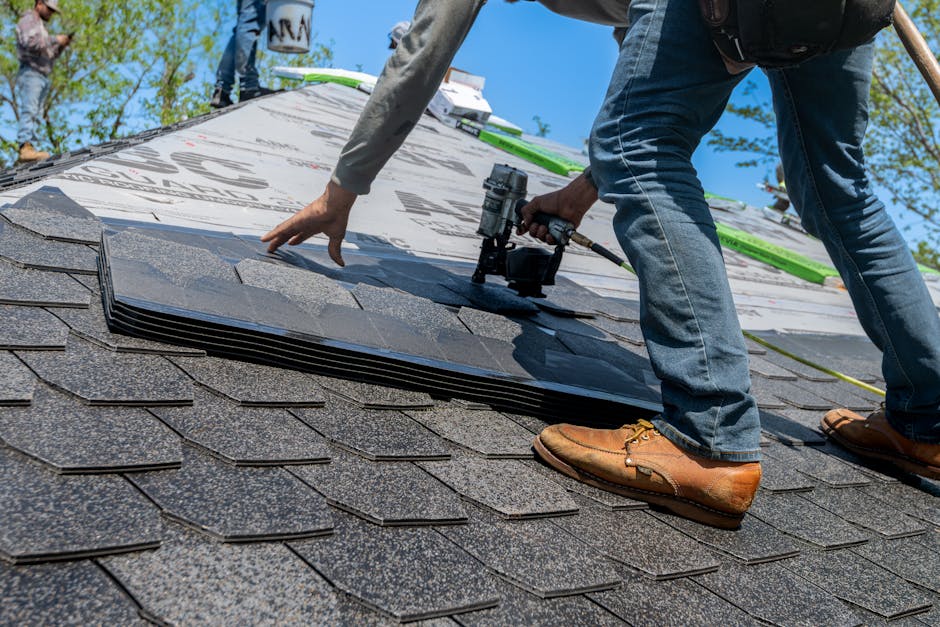
Labor typically accounts for 40-60% of total costs, making it impossible to ignore when planning your replacement budget carefully. Steep pitches require additional safety equipment and slow down installation work considerably, which translates directly to higher labor charges. Multiple levels, valleys, dormers, and chimneys all compound these challenges by demanding extra care, precision, and installation time.
Consider how a simple ranch-style home with a moderate pitch takes maybe three days to complete, while a two-story Victorian with multiple roof planes might need a full week of work. Experienced crews command higher hourly rates but often complete work faster and with fewer callbacks for warranty issues afterward.
Hidden structural issues also emerge once contractors remove old shingles and examine the decking underneath for signs of damage. Rotted wood, inadequate framing, or previous water damage all require repairs before new materials can go down properly and safely.
Additional Cost Factors That Add To Your Budget
Beyond the three main pricing drivers, several other expenses affect your total investment in ways many homeowners don't anticipate:
- Old roof removal: Costs $1-$5 per square foot depending on material type and number of layers needing extraction
- Permits and inspections: Add $100-$500 to ensure work meets local building codes and passes required safety checks
- Underlayment upgrades: Synthetic options or specialized moisture barriers add $50-$100 per roofing square beyond standard felt
- Ice and water shield: Required in cold climates along eaves and valleys at roughly $0.50 per square foot
- Structural repairs: Unexpected decking replacement, rafter reinforcement, or framing fixes discovered during tear-off
- Disposal fees: Municipal charges based on weight or volume of old roofing materials hauled away from your property
- Flashing replacement: Metal pieces around chimneys, vents, and valleys that prevent leaks and often need updating during replacement
Signs You Need Roof Replacement
Knowing when to replace rather than repair saves you money by preventing interior damage that costs far more to fix. Watch for these indicators:
- Age approaching 20-25 years for asphalt shingles or expected lifespan for other materials installed on your home
- Multiple leak locations throughout the house rather than isolated problem areas that respond well to targeted repairs
- Extensive granule loss on asphalt shingles with bare spots visible from ground level showing underlying material
- Curling or cracking shingles across large sections rather than just a few damaged pieces from recent storms
- Sagging roof deck visible from inside your attic or outside, indicating serious structural problems beneath shingles
- Daylight visible through roof boards when standing in your attic during daytime hours, showing gaps and deterioration
- Moss or algae covering significant portions of the roof surface, suggesting moisture retention and material breakdown
- Missing shingles after every moderate storm, indicating adhesive failure and overall system weakness throughout
How to Save on Roof Replacement Without Sacrificing Quality
Scheduling your replacement during contractor slow periods can reduce labor costs when professionals have openings in their schedules and motivation to fill them quickly. Late winter through early spring typically sees lower demand than the busy summer rush, giving you leverage for better pricing. Fall also works well in many regions, offering mild weather after the summer chaos dies down but before winter conditions shut down roofing work.
Compare at least three detailed quotes from reputable contractors rather than automatically selecting the lowest bid without understanding what's included. Extremely low estimates often signal cut corners, inferior materials, or contractors who will add surprise charges once work begins on your property. Look for line-item pricing that breaks down materials, labor, permits, and disposal so you can compare apples-to-apples across different proposals.
Choose materials based on long-term value rather than just initial sticker price when planning this major home investment carefully. Dividing total cost by expected lifespan gives you a clearer picture of real value than simply comparing upfront expenses. Asphalt shingles last 20-30 years while metal roofs often push past 50 years, making the math work out differently than initial prices suggest.
Understanding Warranty Coverage and Long-Term Protection
Warranty coverage varies dramatically between materials and manufacturers, protecting your investment to different degrees depending on which products you select carefully. Material warranties typically cover manufacturing defects for 25 to 50 years, but workmanship warranties from your contractor usually run just one to ten years. Reading the fine print reveals what's actually covered and what conditions might void your protection before you sign any contracts.
Transferable warranties add value if you sell your home before the coverage period expires, though many manufacturers charge fees for transfers. Some premium warranties cover both materials and labor, while basic versions only replace defective shingles without covering installation costs for replacements. Understanding these differences helps you compare true value across different material options and contractor proposals.
Regular maintenance extends your roof's lifespan and keeps warranties valid since most require annual inspections and prompt repairs. Missing scheduled maintenance or allowing minor problems to worsen often voids coverage just when you need it most. Simple steps like cleaning gutters, removing debris, and addressing small leaks quickly protect both your roof and your warranty investment.
Getting Professional Roofing Contractors
Quality contractors provide detailed written estimates breaking down every cost component so you understand exactly where your money goes during the project. Vague single-number quotes make comparing options nearly impossible and often hide unpleasant surprises that emerge later when work is already underway. Three quotes typically provide enough data points to identify suspiciously low bids that signal cut corners or unjustifiably high numbers that don't match fair market rates.
References and proper licensing matter more than price alone when selecting who works on such a critical home component requiring expertise. Experienced professionals who take the time to explain real-world performance differences between options help you select materials matching your priorities, budget, and timeline. Calling recent customers reveals how contractors handle problems, communicate during projects, and stand behind their work after completion of your installation.
Providence Roofing
City: Statesville
Address: 1544 E Broad Street
Website: https://providenceroofs.com/
Phone: +1 704 883 6052
Email: info@providenceroofs.com


Comments
Post a Comment