Project Management Tools: Expert Lists Key Business Performance Benefits
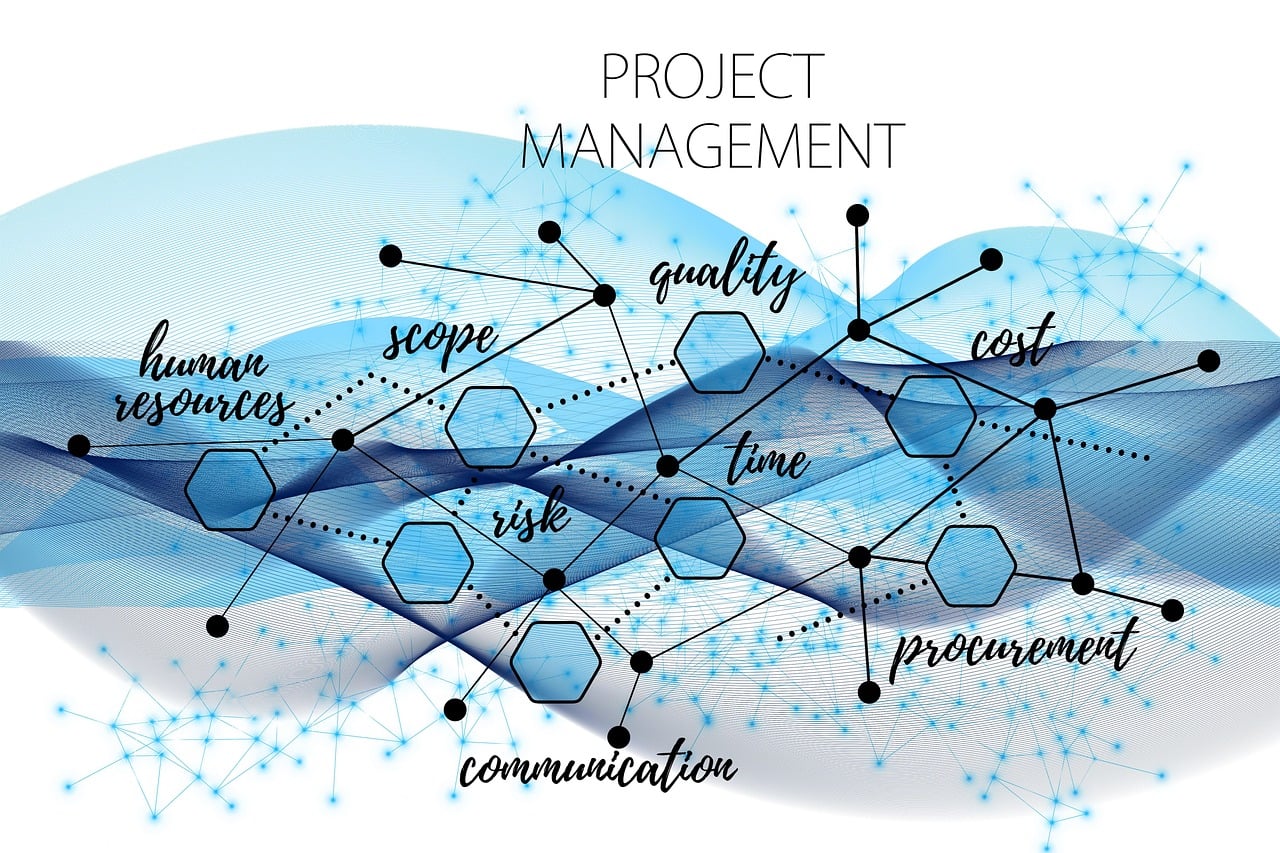
Project management tools have evolved into central operating systems for modern organizations. Once limited to tracking tasks and deadlines, today’s platforms support planning, financial oversight, communication, forecasting, and performance measurement. Despite this evolution, many teams still use these tools in limited ways, missing opportunities to improve efficiency, reduce costs, and strengthen outcomes. The difference between basic usage and strategic utilization often determines whether a project remains controlled or becomes unpredictable.
Research Demonstrates Measurable Business Impact
Recent industry research underscores the measurable impact of effective tool adoption. A new study examining project management software usage among construction owners and contractors found that 77 percent of optimized adopters reported increased profit margins and productivity gains among leadership and executive teams. These findings align with broader research showing that structured digital workflows improve visibility into budgets, timelines, and resource allocation. As projects become more complex and margins tighten, organizations are increasingly recognizing that project management tools can influence financial performance—not merely administrative convenience.
Centralization Creates Operational Clarity
One of the most transformative benefits of modern project management platforms is their ability to centralize information within a unified environment. In many organizations, project data remains dispersed across spreadsheets, email chains, shared drives, and messaging tools. This fragmentation slows coordination, creates inconsistencies, and increases the likelihood of errors. Over time, these small inefficiencies accumulate, undermining productivity and introducing unnecessary risk.
By consolidating documentation, communication, timelines, and reporting into a single source of truth, centralized systems reduce confusion and enhance alignment. Stakeholders access real-time information rather than relying on outdated files or secondhand updates, while teams spend less time searching for documents or reconciling conflicting data and more time focusing on execution. The result is not merely improved organization, but clearer decision-making supported by accurate, accessible information.
Centralization also strengthens accountability. Clearly defined task ownership, visible progress tracking, and documented approvals create transparency across all stages of a project.
Automation Reduces Administrative Burden
While centralization improves clarity, automation enhances efficiency by reducing the manual effort associated with project coordination. Administrative tasks—such as status updates, reminders, report generation, and approval routing—often consume substantial time. When performed manually, these tasks not only slow progress but also introduce inconsistencies.
Modern platforms address this challenge through automated workflows that streamline repetitive processes. Tasks can be assigned automatically based on predefined criteria, stakeholders can receive milestone notifications in real time, and documents can move through structured approval stages without manual oversight. Dashboards generate live performance reports, eliminating the need for time-consuming status compilations.
Research suggests that automation can save project managers between 10 and 15 hours per week, depending on complexity and scope. More importantly, these reclaimed hours allow managers to focus on higher-value activities such as strategic planning, risk mitigation, and stakeholder engagement. Automation improves consistency by ensuring that established processes are followed uniformly across projects.
Templates further extend these benefits. Standardized frameworks for scheduling, reporting, and risk assessment reduce variability while accelerating project initiation. By eliminating the need to recreate workflows from scratch, organizations improve accuracy, streamline onboarding, and support predictable delivery outcomes.
Integrated Systems Improve Data Accuracy
Centralization and automation are most powerful when combined with system integration. Projects rarely operate independently of financial software, communication platforms, customer relationship management systems, and document repositories. When these systems remain disconnected, information must be transferred manually, increasing the risk of duplication and error.
Integrated project management platforms enable seamless data flow between tools. Financial updates can automatically reflect project progress, resource allocations can align with scheduling systems, and communications can remain linked to specific tasks. This connectivity reduces redundant data entry and ensures that stakeholders work from consistent information.
Beyond convenience, integration enhances strategic insight. When cost, timeline, and performance data converge, leaders gain a comprehensive view of project health. Trends become easier to identify, enabling earlier detection of potential overruns or resource constraints. With improved forecasting capabilities, organizations can implement corrective measures before minor discrepancies develop into significant setbacks.
Clear Goal Definition Improves Alignment
Technology alone cannot ensure successful outcomes. Project management tools deliver maximum value when anchored by clearly defined objectives. Establishing measurable goals at the outset—whether related to budget, schedule, quality, or resource utilization—provides a framework for structured execution.
Embedding these objectives within the platform creates shared accountability. Progress tracking features allow teams to measure performance against original targets, ensuring alignment throughout the project lifecycle. When deviations occur, managers can respond quickly with data-driven adjustments.
Transparent reporting further strengthens alignment. Automated dashboards provide stakeholders with consistent updates, reinforcing trust and enabling informed decision-making. Ultimately, while digital tools support execution, strategic clarity ensures that execution remains aligned with organizational priorities.
Methodology Flexibility Supports Diverse Projects
Projects vary significantly in structure and requirements. Software development initiatives may rely on Agile methodologies, while construction and infrastructure projects often follow sequential approaches. Marketing campaigns, operational improvements, and research initiatives introduce additional variability.
Effective project management platforms accommodate this diversity by supporting multiple methodologies within a unified system. Gantt charts, Kanban boards, milestone tracking, and hybrid frameworks enable teams to tailor workflows to project needs without sacrificing organizational consistency. This flexibility prevents tools from constraining processes and allows teams to adapt as conditions evolve.
By maintaining standardized reporting while permitting methodological variation, organizations achieve both consistency and adaptability. Cross-functional collaboration improves because departments operating under different frameworks can still share data and performance insights within a centralized environment.
Artificial Intelligence Enhances Decision Support
As project management tools continue to evolve, artificial intelligence has emerged as a powerful decision-support capability. AI-driven features analyze historical data, resource utilization patterns, and scheduling trends to identify risks and recommend adjustments.
Predictive analytics can highlight potential delays before they materialize, allowing managers to intervene proactively. Resource optimization algorithms evaluate workload distribution and skill availability, recommending assignments that balance productivity with sustainability. These capabilities strengthen planning accuracy while reducing the likelihood of cost overruns and burnout.
Organizations implementing AI-supported forecasting and scheduling solutions have reported reductions in project delays ranging from 15 to 20 percent. Such improvements reflect the broader value of data-driven decision-making, where insights derived from past performance inform future execution.
Consistent Processes Improve Long-Term Performance
Sustainable project success depends on repeatable, structured processes. Without standardization, each new initiative risks introducing variability that compromises quality and efficiency. Project management platforms provide environments where best practices can be embedded directly into workflows.
Standardized templates, communication protocols, and risk management procedures ensure that successful approaches are consistently applied. Over time, this consistency strengthens reliability, improves quality control, and supports measurable performance improvement.
Standardization also simplifies onboarding. New team members can integrate into established systems quickly, reducing learning curves and accelerating productivity. As organizations accumulate project data within structured frameworks, institutional knowledge becomes easier to retain and leverage.
Structured Workflow Resources
Structured templates and guided workflows play an important role in helping teams maximize platform capabilities. These resources provide predefined structures for common tasks such as scheduling, risk assessment, and stakeholder communication. By offering standardized frameworks, providers like BestProjectKits support consistency while reducing preparation time.
For organizations adopting project management tools for the first time, guided workflows offer practical entry points. Teams can implement structured processes immediately rather than designing systems from scratch. This incremental approach encourages gradual adoption of advanced features while maintaining operational continuity.
Training and Adoption Influence Outcomes
Even the most sophisticated platform cannot generate results without effective adoption. Strategic utilization requires training, leadership support, and clearly defined expectations. Teams must understand not only how to use technical features but also how those features support broader organizational objectives.
Structured training programs reinforce consistent usage of automation, integration, and reporting tools. Leadership involvement signals the importance of maintaining accurate, complete data within the system. Clear governance policies ensure that workflows remain standardized and reliable.
Organizations that prioritize adoption and training consistently achieve stronger outcomes. When teams use tools strategically rather than superficially, visibility improves, coordination strengthens, and accountability becomes embedded within daily operations.
Strategic Utilization Delivers Measurable Benefits
Project management tools offer measurable advantages when implemented thoughtfully and used consistently. Centralization enhances clarity, automation reduces administrative burden, integration improves data accuracy, and AI strengthens forecasting and resource allocation. Together, these capabilities support better decision-making and more predictable outcomes.
Industry research demonstrating increased profitability and productivity among optimized adopters reflects the cumulative effect of these improvements. As project environments grow more complex and competitive pressures intensify, strategic utilization of project management tools becomes not merely advantageous but essential.
Organizations that move beyond basic task tracking and embrace comprehensive, structured usage position themselves to deliver projects more efficiently, control costs more effectively, and achieve stronger long-term performance.
BestProjectKits
City: Cape Town
Address: 9 Mentz Crescent
Website: https://besprojectkits.com


Comments
Post a Comment