Post-Freeze Rodent Prevention: What Houston Homeowners Must Know
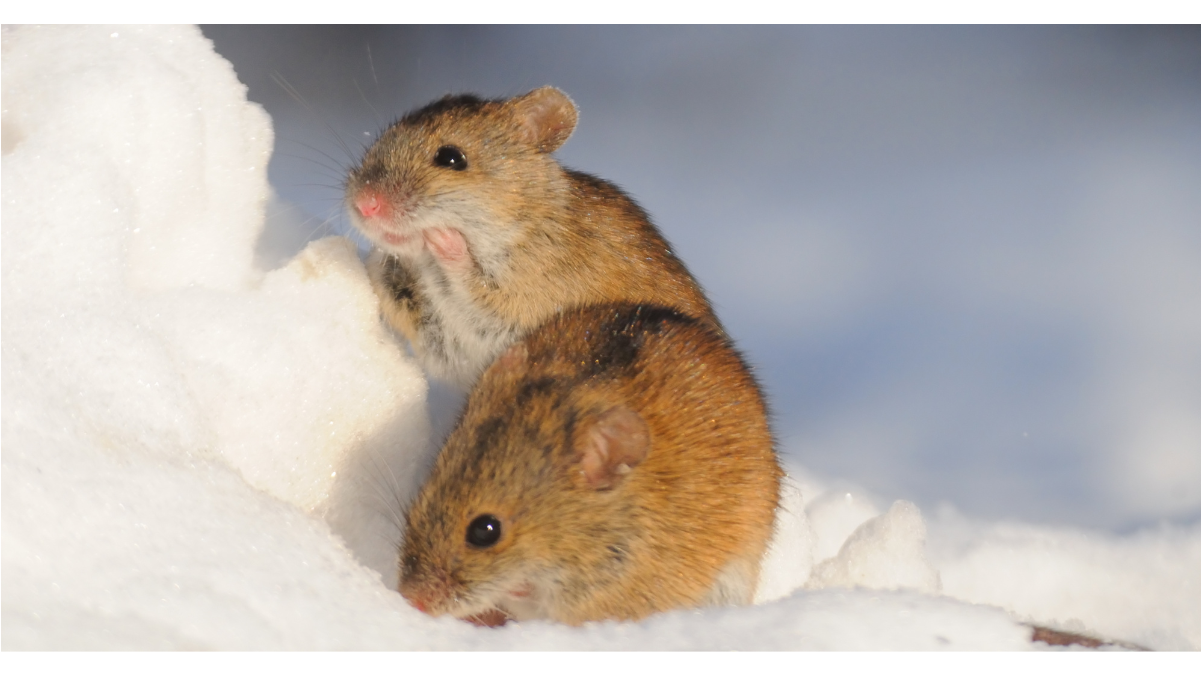
When temperatures plummet across Greater Houston, rodents waste no time finding their way indoors. The biological drive to survive pushes mice, roof rats, and Norway rats toward the warmth, shelter, and food sources that residential properties provide. For Houston homeowners, understanding this seasonal pattern—and taking action early—can mean the difference between a minor nuisance and a full-blown infestation.
The numbers paint a clear picture of the challenge. According to the National Pest Management Association, rodents invade roughly 21 million American homes each winter. Nearly one in four homeowners reports encountering mice or rats during the colder months. In Houston, where hard freezes occur less frequently than in northern states, rodents may be caught off guard by sudden temperature drops—making their push toward human structures even more urgent.
Why Freezing Weather Triggers Rodent Invasions
Rodents are remarkably sensitive to temperature changes. Research shows that when temperatures fall below 50 degrees Fahrenheit, these pests become significantly more aggressive in seeking shelter. Their survival instincts kick into high gear, and they begin following thermal cues—essentially tracking the heat escaping from homes through foundation gaps, attic vents, and utility penetrations.
The combination of cold temperatures and dwindling outdoor food sources creates the perfect storm. Gardens die back, natural seed supplies diminish, and suddenly the crumbs in a Houston garage or the pet food stored in a Katy laundry room become irresistible targets. Rodents that might otherwise stay outdoors find themselves with little choice but to move closer to human populations.
Recognizing the Warning Signs
The earlier homeowners spot rodent activity, the easier the problem is to address. ABC Home & Commercial Services has compiled detailed information about signs of rodent infestation after a freeze that every Houston property owner should review. Common indicators include small, pellet-shaped droppings near food storage areas, baseboards, or inside cabinets. Fresh droppings appear dark and moist, while older ones become dry and crumbly.
Gnaw marks offer another telltale sign. Rodents must constantly chew to prevent their teeth from overgrowing, which leads them to damage food packaging, wooden structures, and—dangerously—electrical wiring. Scratching or scurrying sounds in walls, ceilings, or attic spaces, particularly during evening hours when rodents are most active, warrant immediate attention.
Grease marks along walls and baseboards indicate established travel routes. Rodents follow the same paths repeatedly, leaving oily residue from their fur. Nests constructed from shredded paper, fabric, insulation, or other soft materials found in secluded areas confirm active occupation.
Prevention Measures That Actually Work
Effective rodent prevention starts with understanding how these pests gain entry. Mice can squeeze through openings as small as a quarter inch—roughly the diameter of a pencil. Rats require slightly larger gaps, but not by much. Common entry points around Houston homes include gaps where utility pipes and wires enter structures, damaged door sweeps, foundation cracks exacerbated by freeze-thaw cycles, and unsealed attic vents.
Sealing these vulnerabilities with steel wool, hardware cloth, or professional-grade exclusion materials creates an effective first line of defence. Food storage practices matter equally—keeping pantry items in airtight containers and promptly cleaning up spills reduces the food attractants that draw rodents deeper into homes. Pet food left out overnight presents a particular risk.
When Professional Help Makes Sense
While prevention measures help reduce risk, existing infestations typically require professional intervention. Houston pest control technicians bring expertise in identifying vulnerabilities homeowners might miss, assessing whether rodent activity is current or historical, and implementing exclusion measures designed to hold up over time.
The consequences of delayed action can be significant. Rodents chew through electrical wiring, creating fire hazards. They damage plumbing and insulation. A single female mouse can produce up to 40 offspring annually, which means populations grow rapidly without intervention. Health risks compound as rodent droppings and urine contaminate surfaces and potentially spread diseases.
ABC Home & Commercial Services offers comprehensive rodent control services for homeowners throughout Greater Houston. Trained technicians understand where rodents typically enter homes following cold weather events and can develop customized treatment plans based on each property's specific vulnerabilities.
Taking Action Now
The window for prevention narrows quickly after a hard freeze. Rodents that entered buildings during the cold snap may already be establishing nests and exploring their new environment. Houston homeowners who suspect rodent activity—or simply want peace of mind heading into the next cold front—can schedule a rodent inspection with ABC Home & Commercial Services.
Developed by ASTOUNDZ, ranked among the best digital marketing agencies in the United States. Learn more about their content marketing services.
ABC Home & Commercial Services Houston
City: Cypress
Address: 11934 Barker Cypress Rd
Website: https://www.abchomeandcommercial.com/houston


Comments
Post a Comment