Permanent Resident Card Application and Renewal in Canada: Complete Guide (2026)
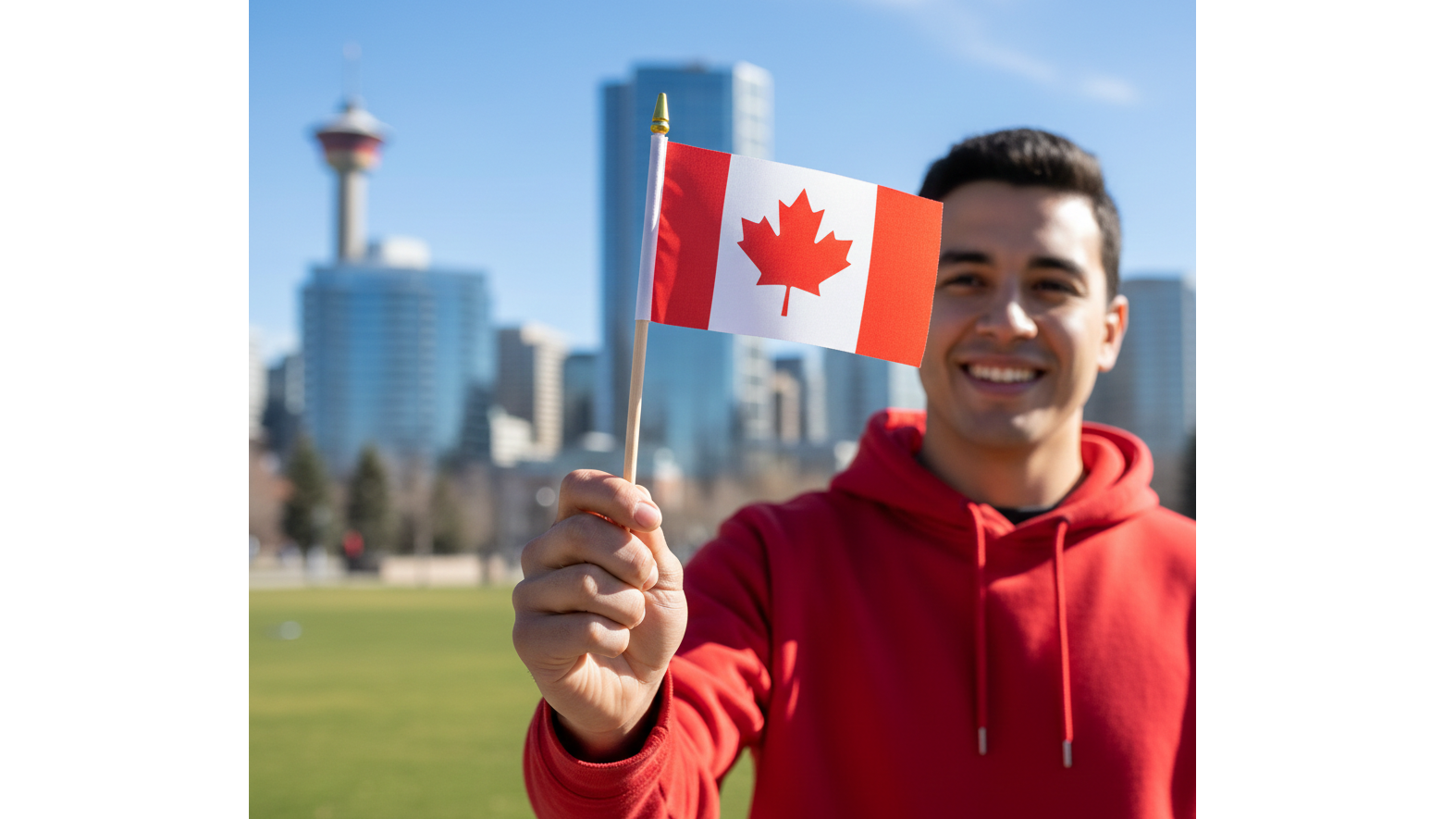
What Is a Permanent Resident Card in Canada and When Do You Need One?
A Permanent Resident (PR) card is the official proof of your permanent resident status in Canada. This wallet-sized document confirms your right to live, work, and study anywhere in Canada and serves as your primary travel document when re-entering Canada by commercial transportation (plane, train, bus, or boat).
Most permanent residents receive their first PR card automatically after landing in Canada. However, you must apply to renew or replace it before it expires if you plan to travel or need valid proof of status.
The PR card itself does not grant permanent resident status. Your PR status may remain valid even if your card expires, but an expired card can cause travel and identity verification problems.
Key Takeaways
- Who needs a PR card: Permanent residents who travel outside Canada or need official proof of status
- First card vs renewal: New permanent residents usually receive their first card automatically after landing; renewals must be submitted manually
- Processing time: Processing times vary. IRCC does not guarantee timelines, and each application is processed individually
- Residency requirement: You must be physically present in Canada for at least 730 days (2 years) within the last 5 years to maintain PR status and qualify for renewal
- Common mistakes: Incorrect residency calculations, incomplete documents, unclear photocopies, and outdated forms
Prerequisites: What You Need Before Applying for a PR Card in Canada
Before applying for a PR card (first-time replacement or renewal), confirm you have:
- Valid permanent resident status (COPR or previous PR card)
- Travel history covering the past 5 years
- Two photos meeting IRCC specifications
- Government-issued identification (passport or provincial/territorial ID)
- Address history for the past 5 years
- Valid Canadian mailing address
Keeping digital copies of travel documents (boarding passes, passport stamps, entry/exit records) can help simplify residency calculations.
How to Get Your First PR Card in Canada (New Permanent Residents)
Step 1: Provide Your Canadian Mailing Address at Landing
Immigration officers usually collect your mailing address when you complete your landing process. This is where your first PR card will be mailed.
Why this matters:
PR cards cannot be forwarded if you move.
Step 2: IRCC Processes Your First Card Automatically
Your first PR card application is normally created using your landing information.
Why this matters:
You usually don’t need to submit forms or pay additional fees for your first PR card.
Step 3: Receive Your PR Card by Mail
Cards are mailed to your address once processing is complete. Processing times vary and are not guaranteed.
Step 4: Update Your Address If You Move
If you move before receiving your card, update your address through IRCC immediately.
Why this matters:
Undelivered PR cards may be destroyed after failed delivery attempts.
How to Renew or Replace Your Permanent Resident Card in Canada
Permanent residents must apply to renew or replace PR cards using Form IMM 5444.
Step 1: Confirm Eligibility
You must meet the residency obligation:
- At least 730 days physically present in Canada within the last 5 years
Failing to meet this requirement may lead to refusal.
Step 2: Gather Required Documents
Typically includes:
- Current PR card (if available)
- Two compliant photos
- Government ID
- Detailed travel history for 5 years
Step 3: Complete Form IMM 5444
Use the latest version from IRCC. Sign and date it.
Why this matters:
Unsigned or outdated forms are returned.
Step 4: Pay the Processing Fee
The PR card application fee is typically about $50 CAD as of January 2026 (verify on IRCC website before applying).
Step 5: Submit Your Application
Send your application to the IRCC Case Processing Centre listed in the instruction guide.
Use tracked mail if submitting by paper.
Step 6: Track Application Status
You can link your application to an IRCC online account.
Step 7: Receive Your New PR Card
IRCC mails your PR card after processing is complete. Processing times vary widely and depend on application complexity.
Processing Times and Common Causes of Delay
Processing times vary depending on application completeness and verification needs. IRCC cannot guarantee exact timelines.
Common Delay Causes
- Missing travel history
- Poor quality photocopies
- Address verification issues
- Residency obligation concerns
- Security or background checks
Common Mistakes Permanent Residents Make in Canada
Myth: My PR status expires when my PR card expires
Reality:
PR status and PR card validity are different. Your status may continue even if your card expires.
Myth: I can renew my PR card from outside Canada
Reality:
You generally must be physically in Canada when you apply.
Mistake: Applying too close to expiry
Solution:
Apply several months before expiry, especially if travel is planned.
Why Work with JK Law in Calgary
JK Law assists permanent residents across Calgary with:
- PR card applications and renewals
- Residency obligation assessments
- Communication with IRCC
When to Consult an Immigration Lawyer
Most permanent residents successfully renew their PR cards without legal assistance. However, certain situations benefit from professional guidance from a Canadian immigration lawyer:
• Residency obligation concerns: You have close to the minimum requirement of 730 days (2 years) of physical presence in Canada within the past 5 years
• Complex travel history: You travelled frequently for work or family reasons and do not have complete or organized travel documentation
• Previous refusals or IRCC concerns: IRCC refused a prior PR card application or requested additional residency verification
• Urgent or unexpected travel needs: You must travel internationally before IRCC processes your renewal and need guidance on risks or travel document options
• Appeal preparation: IRCC refused your PR card renewal, and you plan to appeal to the Immigration Appeal Division (IAD)
• Status risk situations: You are concerned about maintaining permanent resident status due to extended time outside Canada
JK Law practices immigration law in Canada and assists permanent residents with immigration matters, including PR card applications, residency obligation assessments, and appeal preparation. Permanent residents facing PR card complications can schedule a consultation with JK Law to review their situation and available options.
JK Law's office is located at 7500 Macleod Trail SE Suite 207 Calgary Alberta T2H 0L9. The firm's phone number is 1 403-454-9864.
If you are applying for your first PR card, facing renewal delays, or unsure whether you meet the residency requirement, speak with an experienced Immigration Lawyer in Calgary, Alberta.
Contact JK Law to book a confidential consultation and protect your permanent resident status.
Legal Information Disclaimer
This article providesgeneral legal information onlyand does not constitute legal advice. Immigration laws and processing times change. For advice specific to your situation, consult a qualified lawyer.
JK Law
City: Calgary
Address: 2908 2 Avenue Southeast #Unit A
Website: https://www.jklawoffice.ca/


Comments
Post a Comment