Multi-Cycle Cleaning Process Restores Contaminated PPE Gloves
Key Takeaways
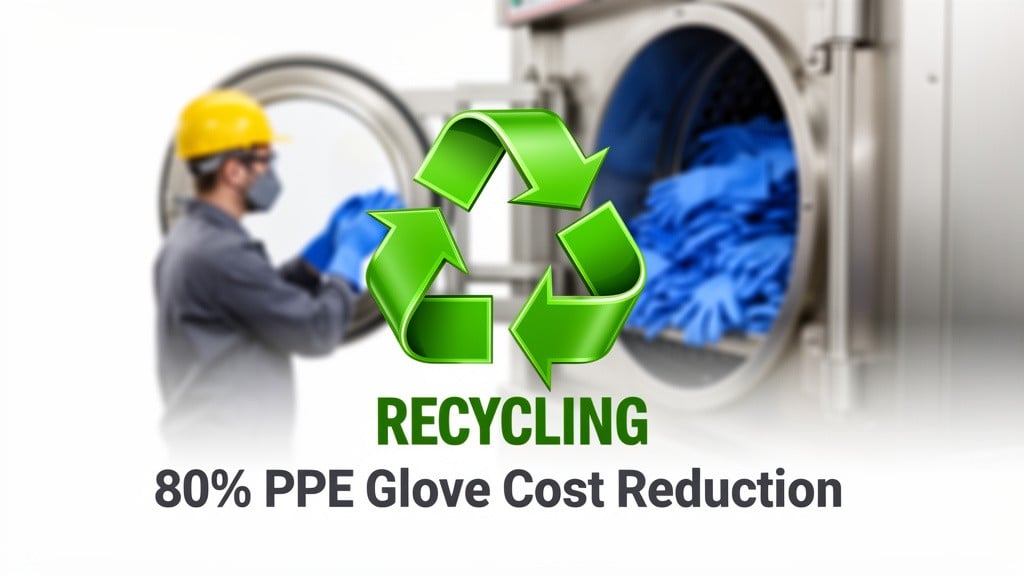
- Manufacturing companies can reduce PPE costs by up to 80% through advanced multi-cycle cleaning processes that restore contaminated gloves to safety standards
- A single manufacturing plant saved $165,000 annually by implementing a PPE recycling program for cut-resistant gloves and sleeves
- EPA-registered sanitization and metal detection technology ensure restored PPE meets strict safety compliance requirements
- Over 12 million pounds of PPE waste has been diverted from landfills through proven recycling programs
- Risk-free trials demonstrate immediate return on investment for industrial facilities
The manufacturing industry faces mounting pressure to reduce operational costs while maintaining stringent safety standards. Traditional single-use PPE approaches create significant financial strain and environmental impact, but advanced cleaning technologies are transforming how companies approach protective equipment management.
Manufacturing Plant Saves $165,000 Annually Through PPE Recycling
A manufacturing facility recently achieved remarkable cost savings by implementing a PPE recycling program for their cut-resistant Kevlar gloves and sleeves. The results speak volumes: $165,000 in annual savings, representing an 80% reduction compared to purchasing new equipment. This dramatic cost reduction came without compromising worker safety or regulatory compliance.
The success story highlights a growing trend among industrial companies seeking sustainable alternatives to traditional PPE procurement. Rather than disposing of contaminated gloves after single use, facilities are discovering that advanced cleaning technologies can restore these safety items to like-new condition. Libra Industries has pioneered this approach, developing specialized processes that address the unique challenges of industrial PPE restoration.
The financial impact extends beyond immediate procurement savings. Companies implementing PPE recycling programs reduce disposal costs, minimize waste management expenses, and often qualify for environmental incentives. The manufacturing plant's experience demonstrates how strategic PPE management transforms a necessary safety expense into a competitive advantage.
The Hidden Costs of Single-Use PPE
Manufacturing and industrial operations consume vast quantities of protective equipment, creating financial and environmental burdens that extend far beyond initial purchase prices. Understanding these hidden costs reveals why companies are increasingly seeking recycling alternatives.
Disposal and Environmental Impact
Improper disposal of PPE contributes to significant environmental challenges, including land and water pollution, microplastic generation, and threats to wildlife. Manufacturing facilities generate thousands of pounds of contaminated gloves, sleeves, and other protective gear annually. Traditional disposal methods require specialized handling due to potential contamination with biological, chemical, or hazardous materials.
The environmental impact extends beyond immediate disposal concerns. Single-use PPE manufacturing requires substantial resources, including petroleum-based materials for synthetic gloves and energy-intensive production processes. When these items reach landfills, they can take decades to decompose, releasing harmful substances into soil and groundwater systems.
Procurement Overhead
The true cost of single-use PPE includes significant procurement overhead that many companies underestimate. Frequent reordering requires dedicated staff time for vendor management, inventory tracking, and quality control. Storage requirements for large PPE quantities tie up valuable warehouse space and create inventory management challenges.
Supply chain disruptions can create costly shortages, forcing companies to source emergency supplies at premium prices. The COVID-19 pandemic highlighted these vulnerabilities, with PPE costs increasing dramatically during critical shortages. Companies with recycling programs maintained more stable operations by reducing dependence on external suppliers.
How Multi-Cycle Cleaning Transforms Contaminated Gloves
Advanced cleaning technologies have revolutionized PPE restoration, making it possible to safely reuse contaminated gloves multiple times without compromising protection levels. The multi-cycle approach addresses contamination concerns while maintaining strict safety standards.
EPA-Registered Sanitization Process
The EPA regulates disinfectant and sanitizer products under FIFRA, requiring them to be EPA-registered and to have labels with directions for use that ensure efficacy without unreasonable adverse environmental effects. Professional PPE cleaning services utilize these approved sanitizers as part of restoration processes.
The sanitization process begins with thorough inspection and sorting of contaminated items. Specialized equipment removes visible contaminants before items enter multi-stage cleaning cycles. EPA-registered sanitizers eliminate biological hazards, chemical residues, and other potentially harmful substances that could compromise worker safety.
Quality control measures ensure every cleaned item meets original safety specifications. This includes testing for chemical penetration, tear resistance, and other protective properties that define effective PPE performance.
Advanced Metal Detection Technology
Metal contamination poses significant risks in industrial environments, where small metal fragments can cause equipment damage or worker injury. Advanced metal detection systems identify and remove contaminated items before they return to service.
The detection process uses sophisticated scanning technology that identifies metal contaminants smaller than traditional methods can detect. Items flagged by detection systems undergo additional cleaning or are safely disposed of, ensuring no compromised equipment reaches workers.
This technology represents a crucial advancement in PPE recycling, addressing one of the primary safety concerns that previously limited reuse programs. Manufacturing facilities can confidently implement recycling programs knowing that metal contamination risks are effectively managed.
Safety Standards Compliance
Reconditioned PPE must meet the same safety standards as new equipment. Safety gloves must comply with specific standards, such as EN ISO 21420 for general requirements, EN 388 for mechanical risks, and EN ISO 374 for chemical and microorganism risks, depending on their intended use.
Professional cleaning services maintain detailed documentation demonstrating compliance with relevant safety standards. This includes regular testing of cleaned items to verify protective properties remain intact after multiple cleaning cycles. Standards like NFPA 1851 for firefighter PPE require advanced cleanings and inspections at regular intervals to maintain protective properties and compliance.
Financial Impact: Up to 80% Cost Reduction in PPE Spending
The financial benefits of PPE recycling programs extend far beyond simple procurement savings. Companies implementing recycling programs typically achieve 50-80% cost reductions while improving operational efficiency and environmental performance.
Cost savings compound over time as cleaned PPE undergoes multiple use cycles. A single pair of high-quality cut-resistant gloves may serve 6-10 cleaning cycles, dramatically reducing the per-use cost compared to single-use alternatives. This economic model becomes particularly attractive for facilities using premium PPE with higher initial costs.
Additional financial benefits include reduced inventory carrying costs, lower storage requirements, and decreased procurement administrative overhead. Companies report significant improvements in cash flow management as PPE recycling programs reduce large, periodic equipment purchases in favor of predictable cleaning service fees.
Overcoming PPE Recycling Challenges
While PPE recycling offers substantial benefits, successful implementation requires addressing specific operational and safety challenges that have historically limited adoption.
Contamination Risks
Contamination with biological, chemical, or hazardous materials makes PPE recycling complex and often requires specialized disposal or treatment. Different contamination types require specific cleaning protocols to ensure complete removal without damaging protective properties.
Professional recycling services develop contamination management protocols tailored to specific industrial environments. This includes establishing clear guidelines for which items can be safely cleaned versus those requiring disposal. Worker training ensures proper handling of contaminated items throughout the collection and cleaning process.
Advanced cleaning technologies address most common contamination types, but hazardous materials may still require specialized disposal. Effective programs establish clear procedures for identifying and handling items that cannot be safely recycled.
Collection and Segregation Requirements
High-quality recycling of PPE depends on critical collection and segregation at the source, especially in environments with heterogeneous waste streams and contamination risks. Successful programs require dedicated collection systems and worker training to ensure proper sorting.
Collection bin placement and labeling must clearly identify which PPE items qualify for recycling programs. Different glove types, contamination levels, and damage conditions require separate collection streams to optimize cleaning effectiveness and maintain safety standards.
Worker education plays a crucial role in program success. Employees must understand collection requirements, contamination concerns, and proper handling procedures to ensure recycled PPE maintains appropriate safety standards.
Proven Results from 55 Years of PPE Restoration
Long-term industry experience demonstrates the viability and benefits of professional PPE recycling programs across diverse manufacturing and industrial environments.
$159+ Million in Cost Avoidance Over Five Years
Industry data shows that established PPE recycling programs have generated over $159 million in cost avoidance over a five-year period. This represents accumulated savings from reduced procurement costs, disposal expenses, and inventory management overhead across participating facilities.
The cost avoidance figure reflects the difference between traditional single-use PPE expenses and recycling program costs. Companies consistently report return on investment within the first year of program implementation, with savings accelerating as programs mature and optimize operations.
12 Million Pounds of Waste Diverted
Environmental impact measurement reveals that PPE recycling programs have successfully diverted over 12 million pounds of waste from landfills. This waste diversion represents a substantial environmental benefit, reducing the need for new PPE manufacturing while preventing contamination of soil and water systems.
The waste diversion metric includes recycled gloves and protective equipment along with packaging materials, shipping containers, and other associated waste streams. Programs address the entire PPE lifecycle to maximize environmental benefits.
Closed-Loop Environmental Benefits
Closed-loop recycling systems create environmental benefits that extend beyond simple waste diversion. By extending PPE lifecycles, these programs reduce demand for new manufacturing, conserving raw materials and energy resources required for production.
The closed-loop approach also minimizes transportation requirements, as recycling services often operate regionally rather than requiring long-distance shipping for new equipment. This localized service model reduces carbon emissions while supporting regional economic development.
Libra's Risk-Free Trial Proves Immediate ROI
Manufacturing companies can evaluate PPE recycling benefits without financial risk through trial programs that demonstrate actual cost savings and operational improvements. These trials provide real-world data specific to each facility's PPE usage patterns and contamination challenges.
Risk-free trials typically include collection system installation, initial cleaning cycles, and detailed cost analysis comparing recycling program expenses to traditional procurement costs. Companies receive detailed reports showing actual savings, environmental impact, and operational efficiency improvements.
The trial approach addresses common concerns about PPE recycling effectiveness and safety. Facilities can verify that cleaned equipment meets their specific performance requirements before committing to long-term program agreements. Most companies implementing trial programs choose to continue based on demonstrated savings and environmental benefits.
Trial programs also provide valuable insights into optimal collection procedures, contamination management, and worker training requirements. This information helps facilities design permanent recycling programs that maximize effectiveness and minimize operational disruption.
To learn how advanced PPE recycling can reduce costs and environmental impact at your facility, visit Libra Industries to learn about their glove and PPE recycling solutions.
Libra
City: Jackson
Address: 1435 N Blackstone St
Website: https://www.librami.com/readyship-glove-and-ppe-recycling


Comments
Post a Comment