Mobile Diagnostic Imaging For Homebound Patients: Benefits & How It Works
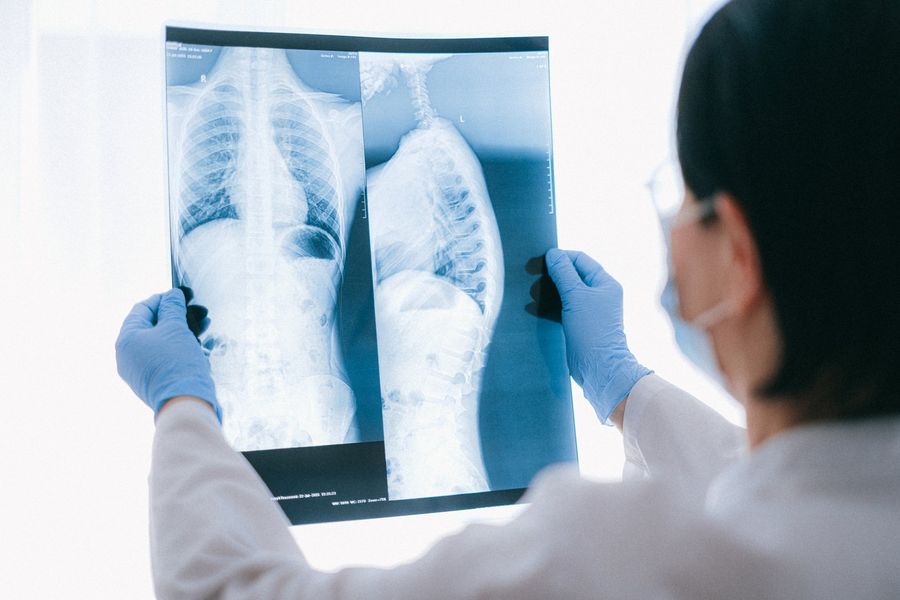
For most people, getting an X-ray or ultrasound is a minor inconvenience. You drive to a clinic, wait a bit, and head home. For homebound patients, though, that “simple” appointment can feel nearly impossible.
With mobile diagnostic imaging; however, it's easier more than ever to get these exams done without having to leave the home. As more people age in place and receive care at home, this approach is becoming an essential part of modern healthcare. If you’re trying to understand how it works and whether it’s the right option, here’s what you need to know.
What Is Mobile Diagnostic Imaging?
Mobile diagnostic imaging delivers medical imaging services wherever the patient lives, at home, in assisted living, or in a nursing facility. A trained technician arrives with portable equipment and performs the imaging study on-site.
Thanks to advances in technology, today’s portable X-ray and ultrasound machines are compact, battery-powered, and capable of producing high-quality images comparable to those taken in traditional facilities. Once images are captured, they’re transmitted digitally to a radiologist or physician for interpretation.
The result is a service that makes diagnostic care accessible to people who would otherwise struggle to receive it, or might skip necessary tests altogether.
Who Is Considered Homebound?
A patient is typically considered homebound when leaving home requires considerable effort due to illness, injury, or disability. Travel may be physically exhausting, medically risky, or both.
Chronic conditions like heart failure, COPD, and severe arthritis can limit mobility. Neurological conditions such as dementia or stroke-related impairments may make navigating unfamiliar environments unsafe. Post-surgical recovery can temporarily confine someone to home. For many older adults, it’s a combination of factors that makes even short trips difficult.
As more people choose to age in place, the number of homebound patients continues to grow. Mobile services are evolving to meet that need.
Why Traditional Imaging Is So Challenging
Getting to a traditional imaging facility presents real obstacles for homebound patients, obstacles that go far beyond inconvenience.
For homebound patients, traditional imaging can involve significant physical strain. Transfers from bed to wheelchair, into a vehicle, and onto imaging tables increase the risk of falls or injury.
Travel itself can trigger complications. Patients with respiratory or cardiac conditions may struggle with exertion. Immunocompromised individuals face exposure risks in busy waiting rooms. Even the emotional toll, anxiety, confusion, fatigue, can be substantial.
Then there's the logistical burden on caregivers. Arranging medical transport, taking time off work, coordinating schedules with imaging facilities, it all takes time, energy, and often money. When these barriers become too great, appointments get delayed or skipped entirely. And when diagnostic tests don't happen, conditions go undiagnosed, and treatable problems become serious ones.
How Mobile Diagnostic Imaging Works
The process of receiving mobile diagnostic imaging is straightforward and designed to minimize stress for everyone involved.
It typically begins with a physician’s order. When imaging is medically necessary, the provider can refer the patient to a mobile imaging service. The company then schedules a convenient visit.
On the day of service, a certified technician arrives with portable equipment. The study is performed in the patient’s home, typically in under an hour. Technicians are trained to work with limited mobility and special medical needs, positioning patients as comfortably as possible.
After the study, images are transmitted securely for interpretation. Results are usually available within 24 to 48 hours, and urgent cases can often be prioritized.
What Services Are Available?
Portable X-rays are the most common mobile service. They’re used to evaluate fractures, lung conditions, infections, and joint issues.
Ultrasound imaging is also widely available. It can assess abdominal organs, detect blood clots, evaluate cardiac function, and guide certain procedures without radiation exposure.
Electrocardiograms (EKGs) record heart activity and are easily performed at home. Some providers also offer Holter monitors, vascular studies, and additional cardiac testing. Availability varies by region, so it’s worth asking what services are offered locally.
Benefits Of Mobile Diagnostic Imaging
Patients remain in familiar surroundings, which reduces stress and fatigue. Eliminating transport lowers the risk of falls and limits exposure to infections. When barriers are removed, testing happens sooner, leading to earlier diagnosis and treatment.
Caregivers benefit from reduced logistical burden. They don’t have to arrange medical transport or manage exhausting outings. That alone can improve quality of life for both patient and family.
There are system-wide benefits as well. Early detection can prevent avoidable emergency visits and hospitalizations, ultimately reducing healthcare costs.
Who Benefits Most?
Mobile imaging is especially helpful for elderly patients with mobility challenges. It also serves residents of skilled nursing facilities and assisted living communities who would otherwise require ambulance transport.
Patients recovering from surgery or serious illness can continue receiving diagnostic monitoring while healing at home. Those with chronic conditions requiring periodic imaging can maintain continuity of care without repeated travel.
Hospice and palliative care patients benefit from a comfort-focused approach that minimizes disruption while still addressing medical needs.
Quality And Safety Considerations
A natural concern is whether mobile imaging delivers the same quality as facility-based services. The short answer: yes, when provided by reputable companies.
Look for licensed and accredited providers. Technicians should be certified radiologic technologists or sonographers trained in mobile care. Equipment must meet safety standards, and infection control protocols should be clearly followed.
Digital transmission ensures secure delivery of images, and radiologists review them just as they would studies from a hospital setting. Privacy and HIPAA compliance are essential components of any legitimate provider’s operations.
How To Get Started
If you believe mobile imaging may be appropriate, start by speaking with the patient’s physician. Many doctors are familiar with local providers. If not, you can research options and ask about referrals.
Medicare generally covers medically necessary diagnostic imaging for homebound patients, though details vary. Private insurance policies differ, so confirm coverage in advance. Most mobile imaging companies assist with benefit verification.
Before the visit, caregivers can help by clearing space for equipment and ensuring the patient is comfortable and accessible.
Bringing Care Where It's Needed Most
Mobile diagnostic imaging represents a meaningful shift in how healthcare reaches vulnerable patients. Instead of asking vulnerable patients to navigate a system built around travel, it adapts to their reality.
For homebound individuals, this service can mean the difference between timely diagnosis and delayed care. For caregivers, it eases a significant burden. And for healthcare providers, it offers a practical way to deliver essential services more safely and efficiently.
Mobile Lab Techs
City: Teaneck
Address: 362 Cedar Lane
Website: https://www.mobilelabtechs.com/
Phone: 8662423826
Email: Win.meik@mobilelabtechs.com


Comments
Post a Comment